































Brief Analysis
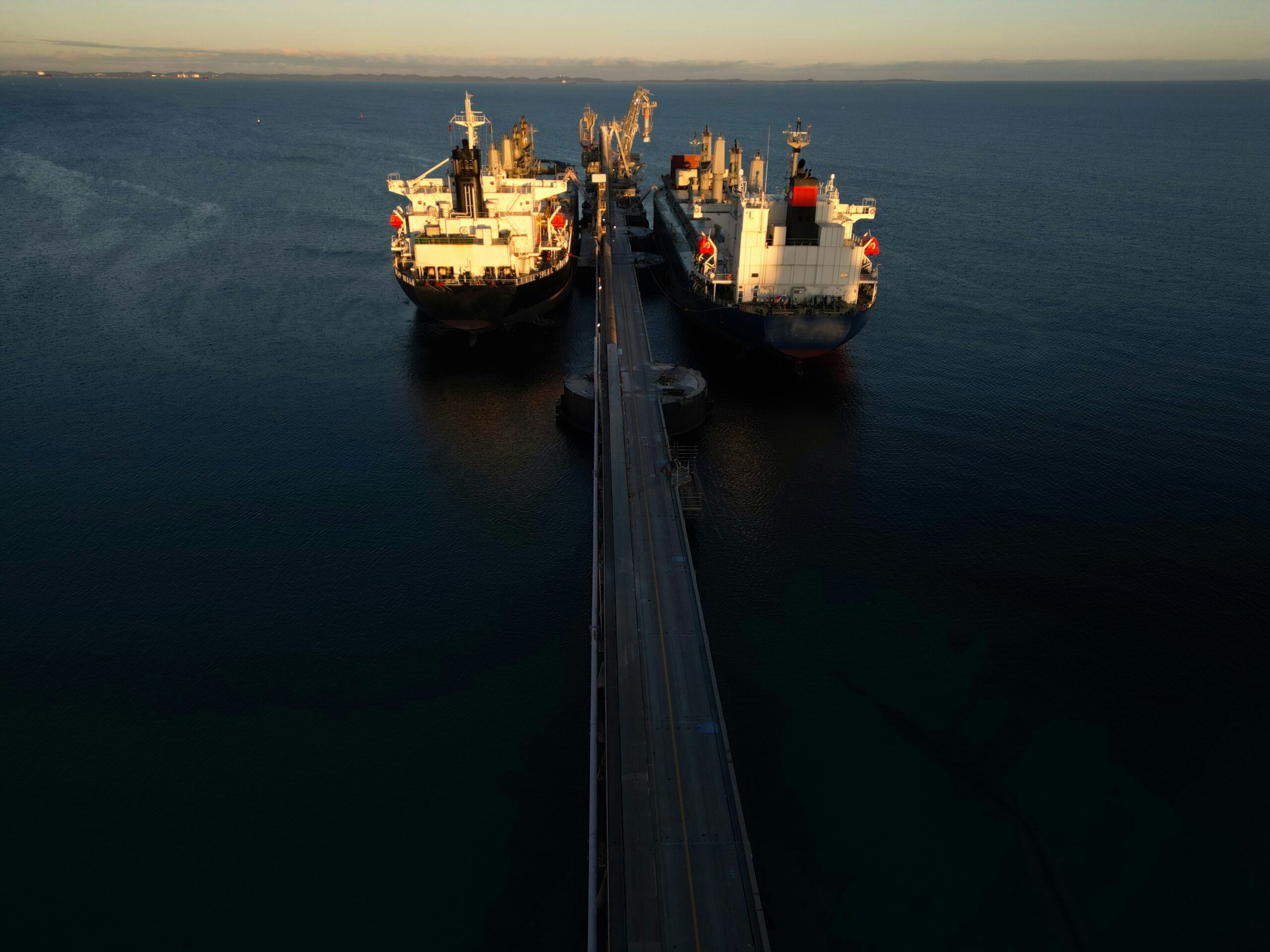
On 17 April 2026, Iranian Foreign Minister Abbas Araghchi announced that the Strait of Hormuz was fully open to commercial vessels — linked directly to the Lebanon ceasefire announced earlier the same day. US crude oil plunged 12% to nearly $83 per barrel and Brent crude fell more than 11% to around $88 per barrel NBC News on the news — the single largest daily oil price drop since the war began. The S&P 500 hit another all-time high simultaneously. But the critical detail is buried in the announcement: despite Iran reopening the Strait, President Trump confirmed the US blockade on Iran will remain in place until a full deal is completed ABC7 News. The Strait is open. The war is not over. Those two facts cannot coexist indefinitely.
EBM Exclusive Take
Join The European Business Briefing
New subscribers this quarter are entered into a draw to win a Rolex Submariner. Join 40,000+ founders, investors and executives who read EBM every day.
SubscribeMarkets have done what they always do — priced the optimistic scenario immediately and completely. A 12% single-day oil price drop is not a measured reassessment of supply fundamentals. It is a relief rally compressing weeks of risk premium into hours. The physical reality is more complicated. Several European and Gulf Arab leaders believe it could take six months to negotiate a full US-Iran deal CNBC — and the Lebanon ceasefire that triggered today’s Hormuz announcement is itself only a 10-day truce. The US blockade on Iranian ports remains active. The ceasefire between the US and Iran expires on Tuesday 21 April. European energy buyers who interpret today’s oil price move as the beginning of normalisation are making a significant assumption on very thin evidence.
What Actually Happened
The sequence matters. Israel and Lebanon agreed a 10-day ceasefire on Friday 17 April. Within hours, Iran’s foreign minister posted on X that the Strait of Hormuz was open for all commercial vessels — explicitly linking the two developments. Araghchi wrote: “In line with the ceasefire in Lebanon, the passage for all commercial vessels through Strait of Hormuz is declared completely open for the remaining period of ceasefire.” NBC News
The phrase “remaining period of ceasefire” is the operative clause. This is not a permanent reopening. It is a conditional gesture tied to a fragile 10-day Lebanon truce — after which the situation reverts to whatever the next round of negotiations produces.
The Toll Question
The EU’s top diplomat Kaja Kallas responded immediately: “Under international law, transit through waterways like the Strait of Hormuz must remain open and free of charge. Any pay-for-passage scheme will set a dangerous precedent for global maritime routes.” NBC News
French President Macron added that reopening needed to be managed by a neutral independent party. UK Prime Minister Starmer said the Strait should reopen with no tolls and no restrictions. These statements are not diplomatic niceties — they are direct pushback on Iran’s attempt to charge tolls of over $1 million per ship that has been reported in recent weeks. Whether commercial shipping will actually move freely or face Iranian toll demands remains unresolved.
The US Blockade Remains
The most significant fact in today’s announcement is what did not change. Trump confirmed the US blockade on Iran will remain in place until the full transaction with Iran is complete — writing “THIS PROCESS SHOULD GO VERY QUICKLY IN THAT MOST OF THE POINTS ARE ALREADY NEGOTIATED.” ABC7 News
A Strait that is nominally open but surrounded by a US naval blockade of Iranian ports is not the same as a Strait operating normally. The physical flow of Middle Eastern crude will resume gradually at best — and the Gulf states whose fiscal positions have been devastated by weeks of disruption are not in a position to restore full production overnight.
What Oil Does Next
The direction of oil from here depends entirely on whether the Lebanon ceasefire holds, whether US-Iran talks resume over the weekend as Trump suggested, and whether the 21 April ceasefire expiry between the US and Iran is extended. Each of those variables could move Brent by $10 per barrel in either direction within 24 hours. The relief trade has happened. What comes next is harder.
Related Analysis