





























Long days across time zones, back-to-back meetings, red-eye flights, and constant cognitive demands make rigid diet programs unrealistic for most busy professionals. Over time I have learned that the biggest gains come from daily rhythms outside the kitchen, not from chasing perfect meals.
Movement baked into your day, consistent sleep timing, social connection, nature time, and deliberate breaks deliver compounding returns. Add mindful alcohol choices and you get benefits without a complete lifestyle overhaul.
You can pull from ten portable habits, a simple two-week micro-cycle, and a few easy metrics to track progress. Whether you manage European time zones or travel constantly, these behaviors survive hotels, terminals, and boardrooms.
Join The European Business Briefing
New subscribers this quarter are entered into a draw to win a Rolex Submariner. Join 40,000+ founders, investors and executives who read EBM every day.
SubscribeSimple Daily Rhythms Deliver The Biggest Gains
This approach centers on integrated movement, outdoor time aligned with daylight, unrushed social meals, short restorative pauses, and treating alcohol as an occasional ritual rather than a daily habit. These are behaviors that travel well and lower friction in your existing routine.
Behaviors That Travel Well
- Favor movement spread throughout your day instead of relying only on scheduled workouts.
- Treat morning light and sleep timing as immovable calendar items.
- Invest in social meals and nature access with the same priority as an investor update.
Steady Movement Throughout The Day Beats Occasional Workouts
WHO recommends adults accumulate 150 to 300 minutes of moderate activity weekly, yet about 31 percent of adults globally fall short. Even hitting 8,000 steps on just one or two days per week is linked with meaningfully lower mortality. The comparison group is people who take fewer steps on every day.
Prescription You Can Schedule
- On non-travel days, target 8,000 to 12,000 steps with a 20-minute brisk walk after meetings.
- On travel days, aim for 6,000 to 8,000 steps plus 10 minutes of brisk walking at lunch.
- Add strength twice weekly with micro-sets between calls using air squats or pushups.
Short Walks After Meals Help Steady Your Blood Sugar
Research shows that interrupting prolonged sitting with light walking lowers post-meal glucose by roughly 17 percent compared with uninterrupted sitting. Walking beats standing for blood sugar control. Pacing during calls works in offices and hotels alike. Insert 3 to 5 minute breaks every 30 to 60 minutes of desk time. As outlined in this guide to investing in healthier workspaces, small environmental and behavioral changes at work deliver measurable returns in productivity and wellbeing.
Quick Tactics
- Add 2 to 5 minutes of light walking within 15 minutes after each main meal.
- Insert 3 to 5 minute breaks every 30 to 60 minutes of desk time.
- Take internal calls while pacing halls, courtyards, or quiet corridors.
Turning One-On-One Meetings Into Walks Lifts Energy And Creativity
Controlled experiments show that walking substantially increases divergent creative thinking compared with sitting. Walking meetings raise energy and rapport while forcing concision. Not every meeting suits walking, but 1:1s are perfect candidates.
Schedule 20-minute walking meetings near your office or hotel. Map an all-weather indoor loop in cold or wet cities. Within 3 minutes of finishing, record decisions and next actions in a shared note template.
Morning And Afternoon Light Keep Your Body Clock On Track
Greater morning sunlight exposure is linked with earlier sleep timing and better overall sleep quality. Get 10 to 30 minutes of outdoor light within two hours of waking.
In winter at northern latitudes, push closer to 30 minutes. Work near windows when possible and take one afternoon call outdoors in the shade.
Check the daily UV Index and use hats, UPF clothing, and SPF when it reaches 3 or higher. For very early flights, anchor light exposure upon arrival rather than before the flight.
Regular Sleep And Brief Pauses Build Reliable Focus
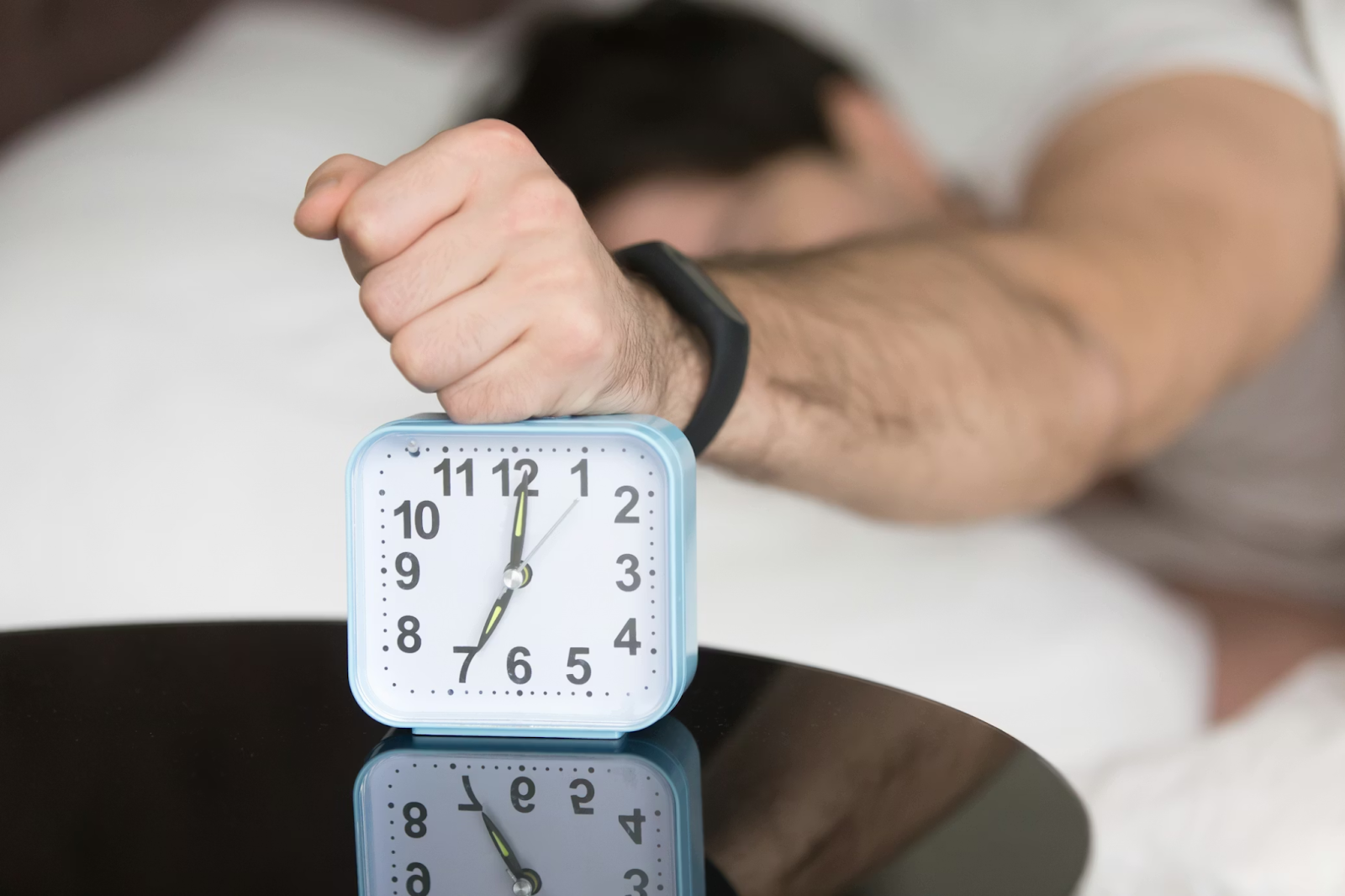
Aim for 7 to 9 hours at regular times to solidify your circadian rhythm, your internal body clock. Short early-afternoon naps under 30 minutes are linked to lower blood pressure, while longer naps are associated with higher metabolic risks. Keep consistent bed and wake times within a 60-minute window, even across travel if possible. Some professionals also explore plant-based terpenes to support relaxation and sleep quality as part of their wind-down routine.
Protecting Time For People Strengthens Your Health And Resilience
Across 90 prospective studies including more than 2.2 million people, social isolation and loneliness were associated with higher risks of mortality. Mediterranean social patterns emphasize unhurried, device-free meals and community ties that buffer stress.
Plan two device-free shared meals weekly. Adopt a travel buddy for check-ins and one in-person walk during travel weeks. Create a calendar prompt titled “people that matter” with three outreach slots per week.
A Couple Of Hours In Nature Each Week Boosts Well-Being
Spending about 120 minutes per week in nature is linked to higher odds of reporting good health and well-being. Choose hotels within a 10-minute walk of parks, trails, or waterfronts. Stack a weekly walking 1:1 in a park and log nature minutes in the same tracker as steps.
Clear Rules Around Drinking Protect Your Energy And Judgment

WHO states there is no safe level of alcohol consumption, with risks starting from the first drink. For client dinners, lead with sparkling water, alternate drinks with water, and cap servings. Hold at least 3 to 4 alcohol-free nights weekly, especially during travel.
Cultural Context Without Health Claims
If you choose to drink with a meal for cultural reasons, explore regional styles by reading about grapes such as Grenache red wine, focusing on tasting notes and heritage rather than health claims. Offer a cultural and tasting context to support mindful appreciation.
Use Fasting Selectively As One Tool Among Many

A Cochrane review concluded that intermittent fasting approaches yield little to no difference in weight loss compared with standard advice. However, a 2024 trial found that a 16-week 5:2 regimen improved HbA1c in people newly diagnosed with type 2 diabetes.
HbA1c reflects your average blood sugar. Use fasting on low-meeting, lower-stress days and avoid it on high-stakes mornings or after short sleep.
If you prefer a structured starting point, The Fast 800 provides a clinician-designed entry into 5:2 with menus and coaching. Consult a clinician if you have diabetes, are pregnant, or take medications.
Small Consistent Shifts Turn Into A Sustainable Routine
Small, schedulable actions compound across months into better energy, resilience, and decision quality. Start with two habits this week and add one more every seven days. Track with a five-minute nightly log and watch these micro-habits become your weekly operating system.
Quick Answers To Practical Questions You Probably Have
How do I fit these habits into 12-hour travel days?
Anchor three non-negotiables: morning light 10 to 20 minutes after arrival, post-meal 2 to 5 minute strolls, and one 10 to 12 minute midday pause. Shift steps to airport terminals and hotel corridors.
What if weather or safety limits outdoor time?
Use bright indoor areas near windows for light. Walk in malls or office corridors for steps. For nature minutes, choose indoor botanical gardens or large atriums when available.
Do I need a wearable to track progress?
Helpful but not required. A phone pedometer plus a simple spreadsheet covers steps and habit counts. Set calendar prompts for post-meal strolls and a weekly 10-minute review.
When will I notice changes?
Energy and focus often improve within 7 to 14 days from better light timing, movement snacks, and sleep regularity. Cardiometabolic markers take longer, so aim for 8 to 12 weeks of consistency.