




























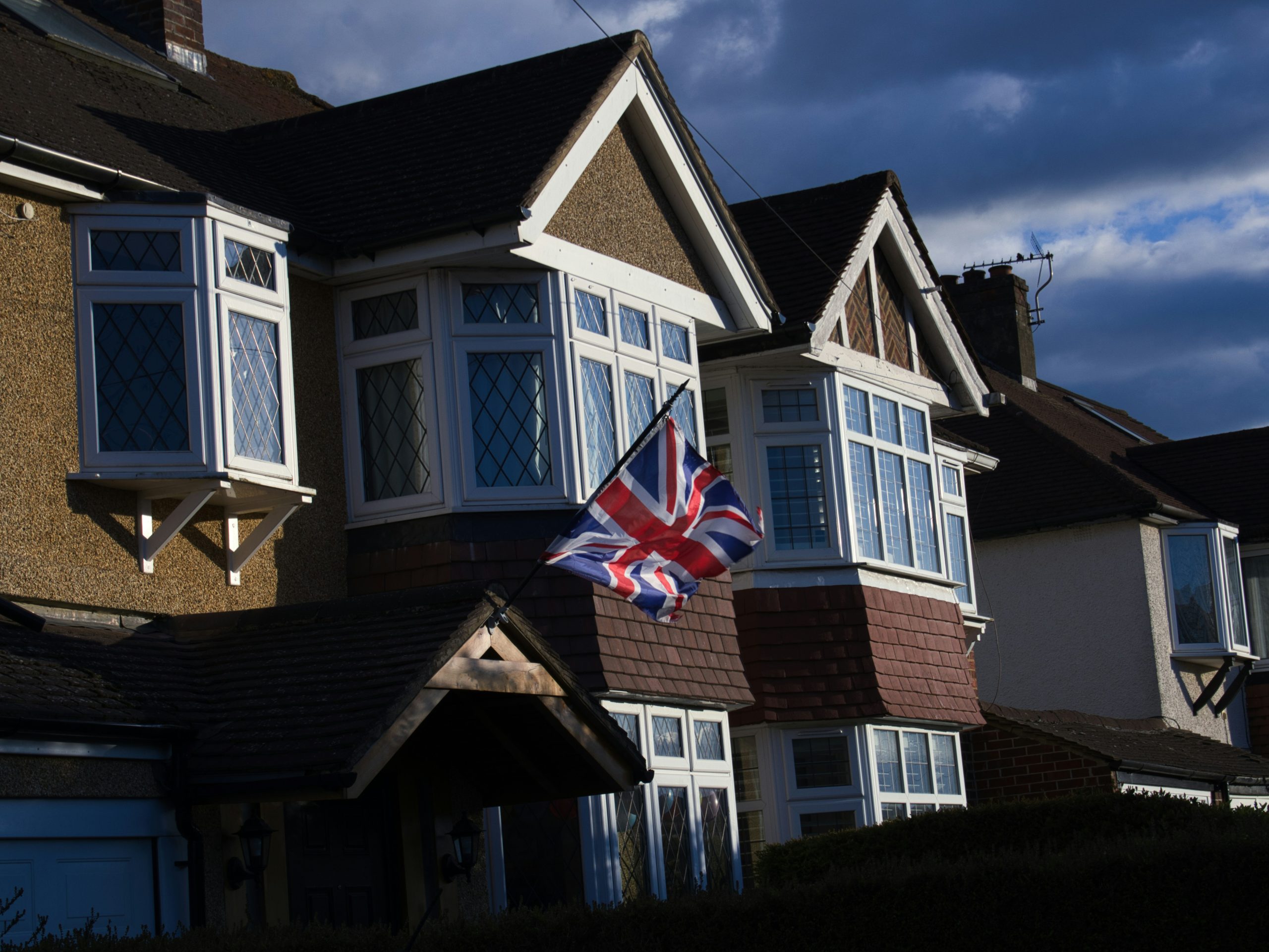
British estate families used to follow long-standing customs, but daily life has changed as new types of families become more common. Now, even well-known families go through events like divorce, marriages after divorce, blended households, and shared parenting. These changes affect how family property is passed on, who makes family decisions, and how large country houses are kept in good shape.
Family structures within Britain’s grand estates have changed significantly over recent decades. Where once divorce brought shame and inheritance usually went only to sons, today families might include step-children, adopted children, and a wider mix of relatives living and working together. This transformation reflects broader societal changes while maintaining the core responsibility of stewardship that defines these historic families.
Trying to keep old traditions while handling new family setups is not always simple. Heads of these estates find themselves discussing what will happen to important items and land if families split, or when there are new family members through marriage or adoption. They must also consider how to keep historic buildings in good condition and be fair in their choices. Sometimes, help from legal experts is needed, so everyone understands the rules and feels their part in the family is respected.
Join The European Business Briefing
New subscribers this quarter are entered into a draw to win a Rolex Submariner. Join 40,000+ founders, investors and executives who read EBM every day.
SubscribeThe Evolution of British Estate Inheritance Traditions
For centuries, British aristocratic estates often followed strict primogeniture, where the eldest son inherited everything. This was intended to keep estates intact and prevent the land from being split among several children. One heir holding the estate helped keep houses, land, and incomes together over generations. Younger siblings and daughters were frequently excluded from inheritance. The 20th century brought major changes to these rigid structures.
Two world wars, heavy taxation, and changing social attitudes pushed estate-owning families to reconsider traditional inheritance methods. Modern British estates now use more inclusive models. Many families work with experienced divorce lawyers in Portsmouth and other regions to create fair arrangements for all family members.
Family arrangements in the UK have become more varied in recent years, with an increase in blended families and cohabiting couples. These changes have influenced how inheritance is discussed and planned, especially as more households include stepchildren and non-traditional relationships. Current laws may not always automatically protect the interests of all family members, so careful planning is often needed.
This shift in inheritance practice is matched by ongoing conversations among estate-owning families. They increasingly seek advice to balance responsibility for land and heritage with the diverse relationships making up a modern household.
The challenge for present-day estate owners lies in balancing tradition and practicality. Many have shifted from rigid male-line succession to consider the skills and interests of potential heirs regardless of gender or birth order. This adjustment aligns with wider social norms while showing the importance of stewardship.
Financial Structures Supporting Complex Family Arrangements
Today, estate-owning families have developed advanced financial frameworks to support different family structures. These arrangements help protect historic assets while providing for multiple households and generations.
Trust structures play a central role in estate planning. They separate ownership of property from direct control by individual family members. A family trust can own the main estate property with rules on who benefits. If a divorce occurs, the trust assets are not directly owned by the divorcing person. Portsmouth family solicitors guide estate owners through creating trusts. They help select trustees and write rules for family needs.
One issue that can arise is making trusts too vague about beneficiaries. Legal advisors recommend clearly listing family members. This helps prevent later disputes and protects against legal challenges. Professional guidance helps ensure trusts remain effective as family structures change.
Portsmouth family solicitors often advise on creating flexible trust arrangements that address changing family situations while minimising tax liabilities. Prenuptial agreements are now commonly used by estate-owning families. These legal documents clarify financial arrangements before marriage, helping to protect historic properties and family heirlooms.
Through adopting more inclusive and flexible arrangements, these families help their estates remain practical and sustainable for future generations. Their experience provides examples for families facing changing relationships and inheritance issues. Formal communication and regular legal review now play a central role, keeping traditions alive while making changes to suit modern life.