





























There is nothing quite as visually striking as vast expanses of glass. Not only does it create a stunning aesthetic, but it also offers numerous benefits, making structural glass extensions an increasingly popular choice over traditional materials. However, as structural glass extensions are relatively new compared to conventional conservatories, their uses and advantages are not always well understood.
To help you appreciate the beauty and versatility of glass extensions, read on!
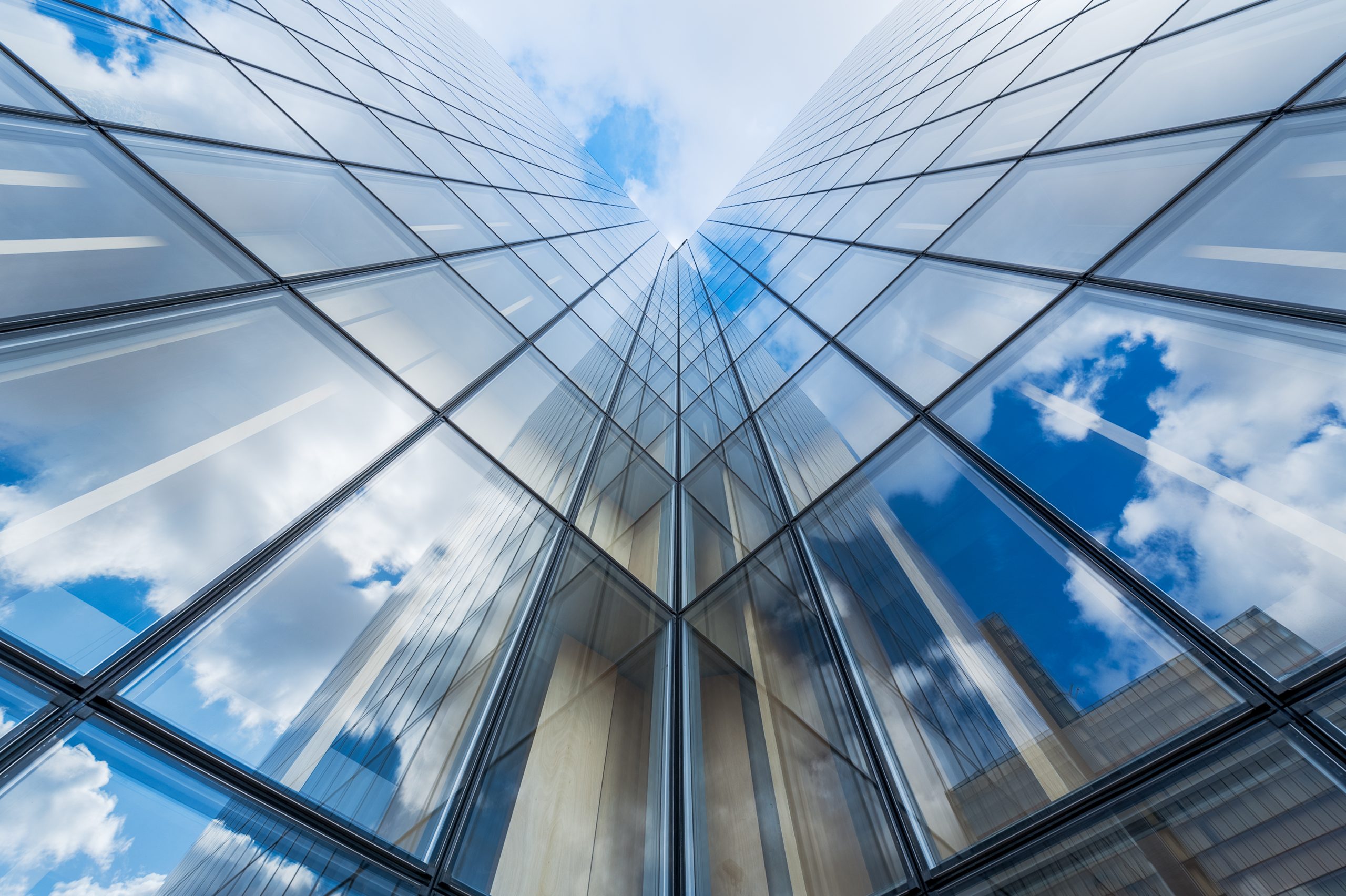
What is Structural Glazing? In simple terms, structural glazing refers to glass that plays a load-bearing role in a building’s structure. The glass is bonded to the frame using a specialist sealant that forms a high-strength seal, transferring wind loads from the glazing to the structural support frame.
Join The European Business Briefing
New subscribers this quarter are entered into a draw to win a Rolex Submariner. Join 40,000+ founders, investors and executives who read EBM every day.
SubscribeHigh-quality stainless steel fittings can also be used to connect the glass directly to the main structure, enhancing both strength and flexibility. This setup allows for a variety of structural glass designs, including two-, three-, or four-sided constructions.
The size and shape of structural glass depend on its environment, location, and intended function, all of which influence the load it can bear. Examples of structural glass applications range from walk-on glass roof lights in basement conversions to exterior and interior walls, room dividers, glass roofs, balustrades, and, of course, the increasingly popular glass box extensions.
What are the Benefits of a Structural Glass Extension?
Beyond their stunning appearance, structural glass extensions offer numerous advantages, including:
- Greater design flexibility for architects and designers
- Increased natural light intake
- Minimal slimline frames – eliminating the need for brick walls
- Uninterrupted views
- Expanded usable space within the property
- Low maintenance requirements
- Enhanced property value
- No restrictions on maximum frame sizes
- Improved energy efficiency
- Comfortable temperatures year-round (warm in winter, cool in summer)
Glass extensions create an additional dimension to a property, serving as both an eye-catching exterior feature and an interior focal point with spectacular views.
How Thick Can Structural Glass Walls Be?
As a general guideline, structural glass thickness ranges from 6mm to 24mm. A 1cm cube of standard structural glass can withstand up to 10 tonnes of compression before breaking.
However, the required thickness is determined by the glass’s intended role. If high wind loads are a factor, thicker glass will be necessary. While glass is naturally elastic (meaning it bends under load), it is also brittle and can shatter if not manufactured to the correct specifications. Selecting the appropriate thickness for structural glass applications is, therefore, essential.
What is a Structural Glass Curtain Wall? Traditionally, a glass curtain wall is a non-load-bearing wall comprising a frame made of aluminum, plastic, or steel that surrounds the glass. This wall is suspended from the building’s structure, which is why it is referred to as a ‘curtain.’ While glass curtain walls can be used in residential properties, they are more commonly seen in commercial buildings, retail properties, and high-rise city structures.
Just as a fabric curtain serves as a layer between windows and an interior space, a glass curtain wall separates the exterior from the interior. It supports its own weight and, when needed, can incorporate a reinforced frame to bear additional loads. These loads are then transferred back to the primary structure. However, in most cases, glass curtain walls are mounted onto lightweight aluminum frames.
How Energy Efficient is Structural Glass?
Without the need for a frame, structural glazing can be highly energy-efficient. Our structural glazing solutions can be manufactured using double glazing, triple glazing, or even quad glazing units.
With growing emphasis on sustainability in construction, triple and quad glazing options have gained popularity due to their superior insulation properties, which enhance overall energy efficiency.
Building regulations require specific U-values for walls, roofs, floors, and windows to ensure compliance with modern energy efficiency standards. However, as structural glass lacks a frame (traditionally the weakest point for heat transfer), the overall U-value of the glass structure is significantly lower, thereby improving the building’s energy efficiency.
A Final Word on Structural Glass Extensions
While greenhouses, conservatories, and orangeries have long been popular, the versatility and advantages of structural glass extensions have led to a surge in their adoption.
If you seek a distinctive extension that enhances both aesthetics and functionality, consider a glass extension to bring light and elegance into your home.
We’d love to discuss your structural glass extension requirements and explore the available options with you. Feel free to call us, send an email, or visit our showroom in Surbiton, Surrey, for a consultation.