






























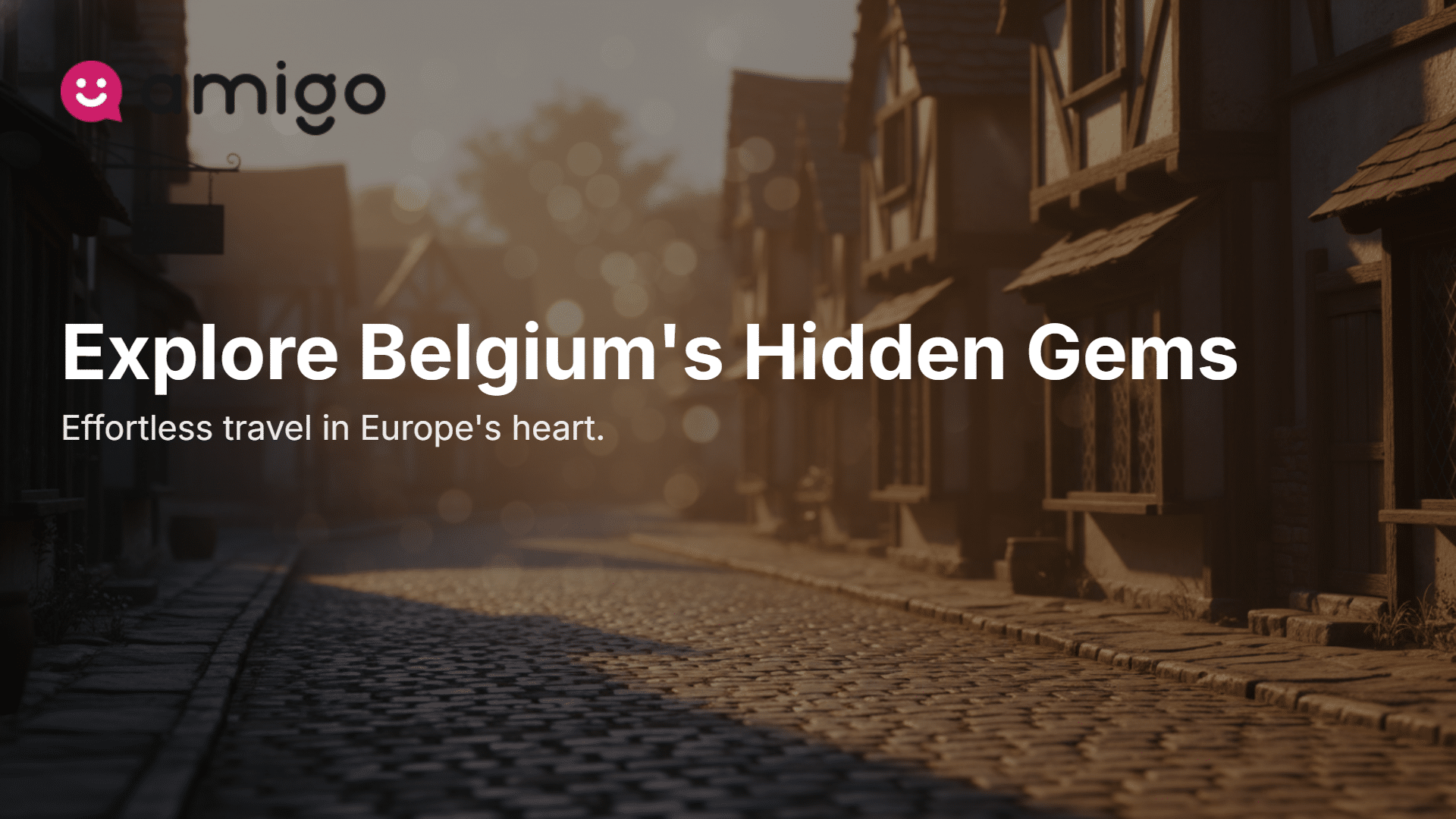
A focused three-day itinerary from a single base like Brussels can comfortably cover major hubs like Bruges and Ghent without the hassle of changing hotels. This geographical convenience means more time is spent exploring UNESCO heritage sites and less time staring out the window of a long-haul train.
How easy is it to navigate and stay connected on the go?
Beyond short distances, the country’s overall accessibility is a major highlight for tourists. Visitors are often surprised by the strong English friendliness found throughout the region, which makes the following incredibly smooth:
Join The European Business Briefing
New subscribers this quarter are entered into a draw to win a Rolex Submariner. Join 40,000+ founders, investors and executives who read EBM every day.
Subscribe- Asking for directions
- Reading transit schedules
- Interacting with locals
While the linguistic duality between the Dutch-speaking north and the French-speaking south is highly visible on street signs and station boards, the widespread use of English in tourist areas eliminates the language barrier that many travelers fear. This ease of communication is perfectly complemented by a modern, highly integrated transportation and digital infrastructure, allowing visitors to move between distinct cities and regions with remarkable fluidity.
How can you best utilize the efficient rail network?
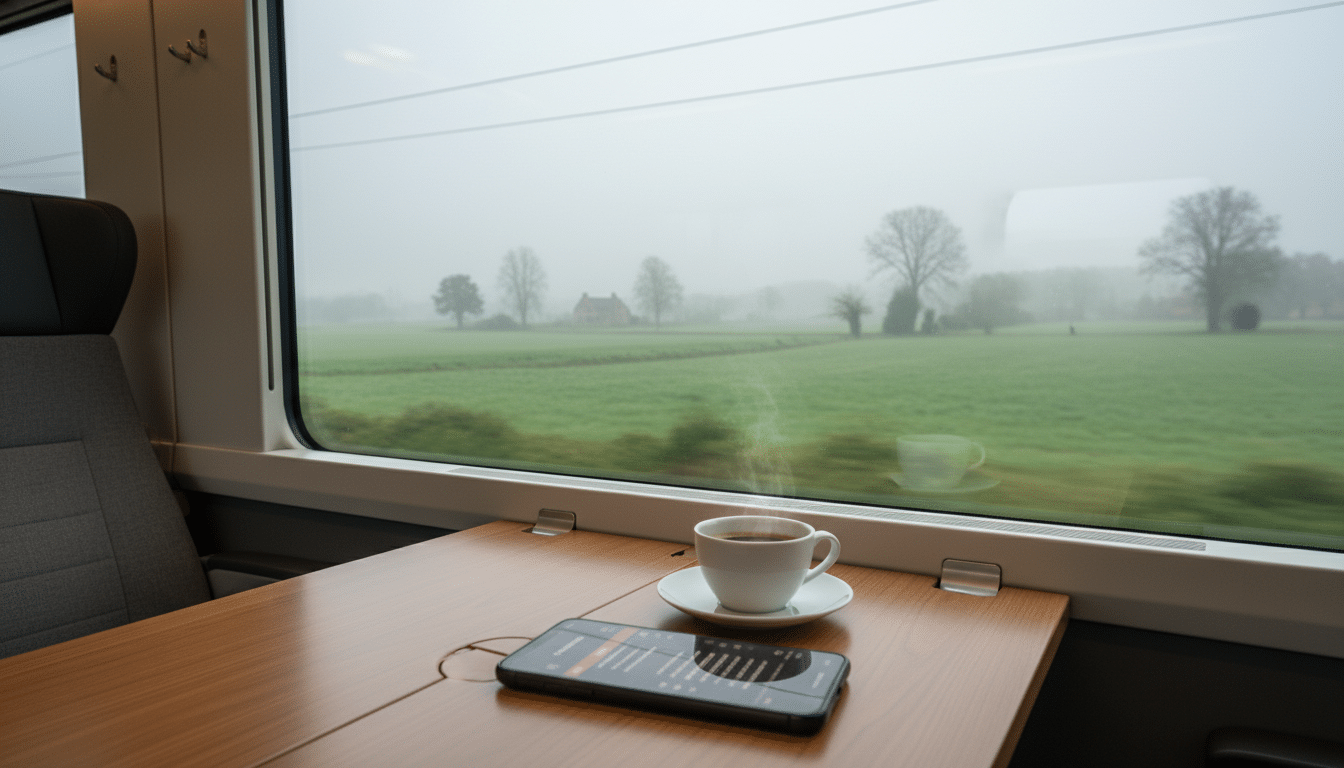
The secret to unlocking this compact country lies in its excellent public transport connectivity. Frequent, efficient train connections between major cities make multi-city travel surprisingly simple and low-stress. For example, the journey from Brussels to the romantic, cobblestone streets of Bruges takes only about an hour, while the vibrant, student-filled city of Ghent is a mere thirty to forty minutes away.
Trains between these major hubs run at least twice an hour during the daytime, offering incredible flexibility for spontaneous exploration. Furthermore, the train stations are strategically located, often providing easy, walkable connections or short tram rides directly into the historic medieval cores. This robust rail network completely transforms the travel experience, turning what would normally be exhausting travel days into quick, scenic hops between distinct cultural centers.
Why is securing reliable internet access crucial for your trip?
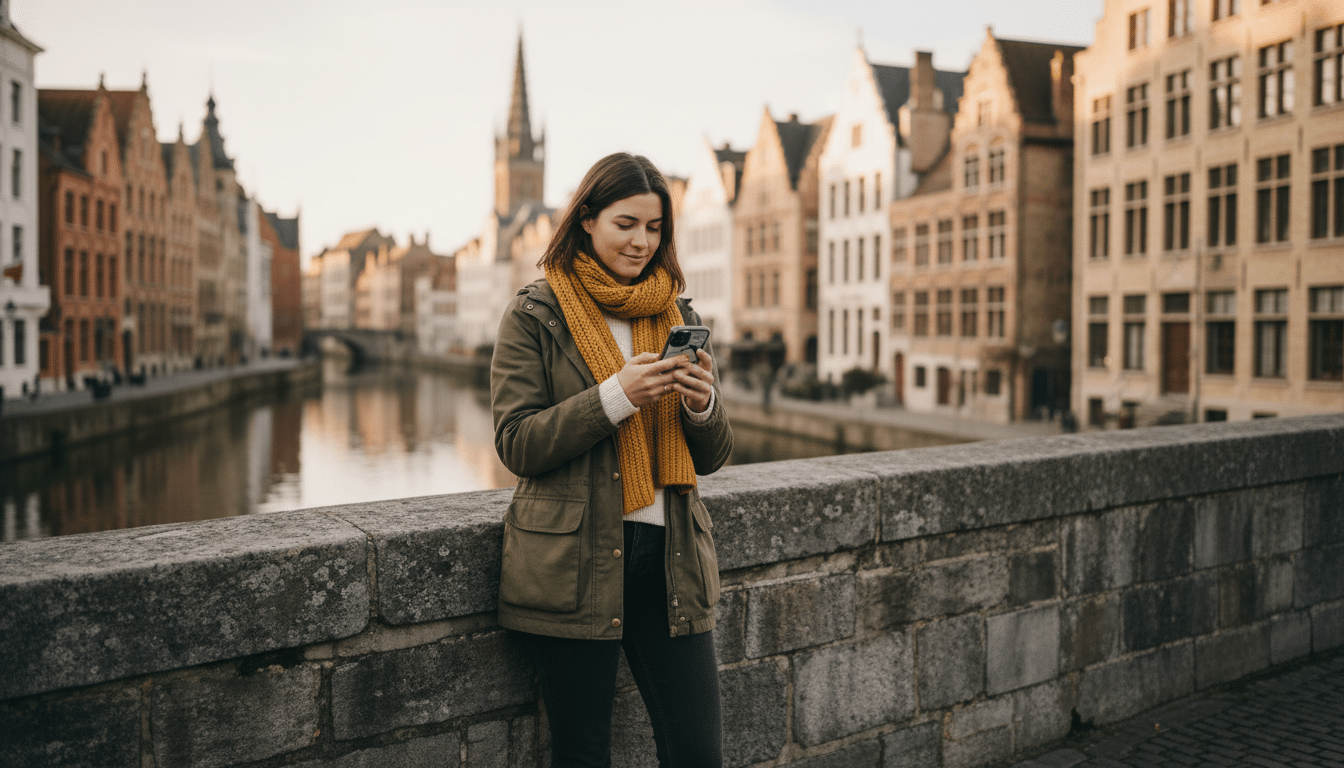
- Navigating bilingual train station boards
- Booking last-minute museum tickets
- Translating local brasserie menus
Purchasing an eSIM Belgium data plan before your arrival is a cost-effective solution that completely eliminates the fear of exorbitant international roaming fees.
Modern telecommunications have made this process incredibly straightforward. For instance, digital solutions like Amigo eSIM allow travelers to activate a prepaid data plan instantly via a QR code, granting immediate access to strong local multi-network connectivity without the hassle of hunting down a physical store. Having this roaming-free internet ensures that you can effortlessly pull up walking directions to a hidden Art Nouveau townhouse or check the live schedule for the next train to Antwerp.
Why do the historic cities and museums exceed expectations?
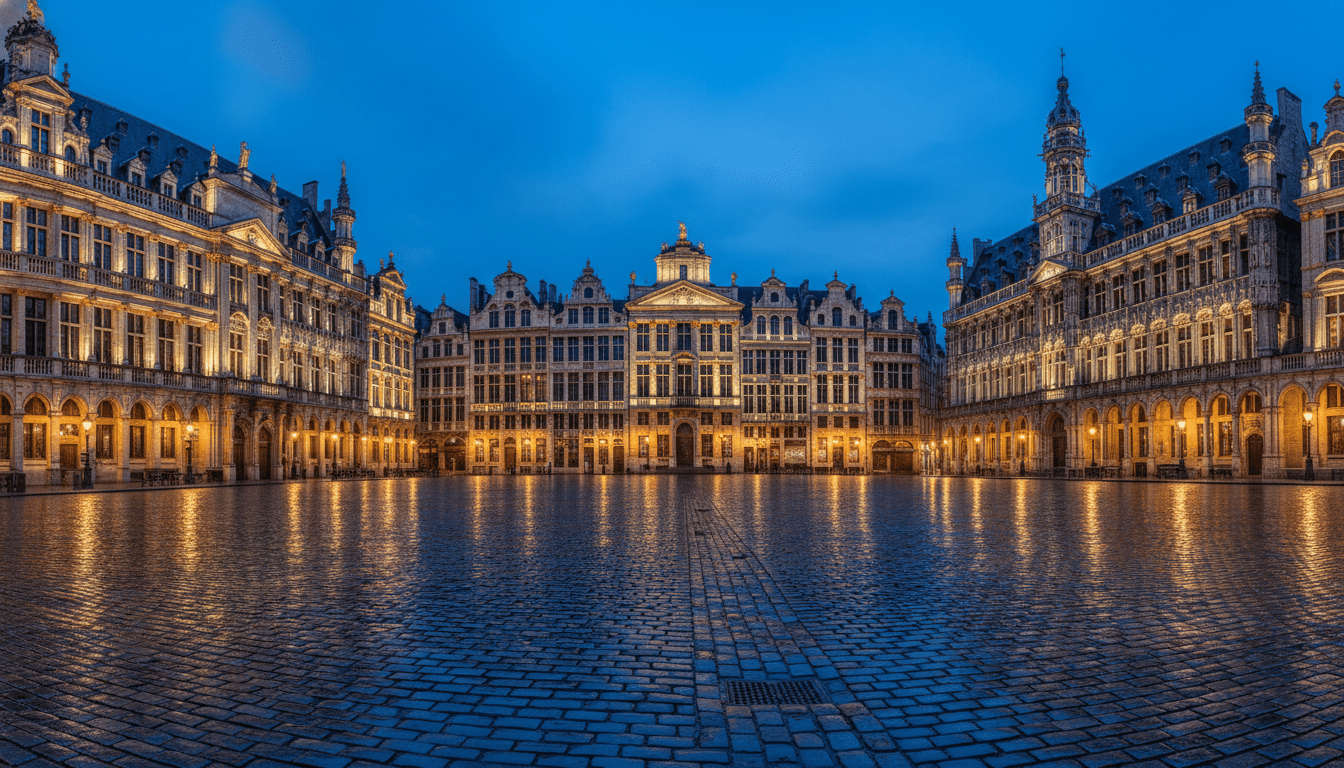
A layered travel experience is offered by institutions like:
- The Magritte Museum
- The Royal Museums of Fine Arts
- The Comic Strip Center
Visitors also discover the striking Art Nouveau architecture scattered throughout residential neighborhoods like Ixelles. Moving beyond the capital, the depth of medieval city experiences in places like Bruges and Ghent provides an immersive journey into the past, where preserved belfries, winding canals, and cobblestone streets feel far more extensive than one might expect for such a small country.
How does the local food culture go beyond just chocolate and beer?
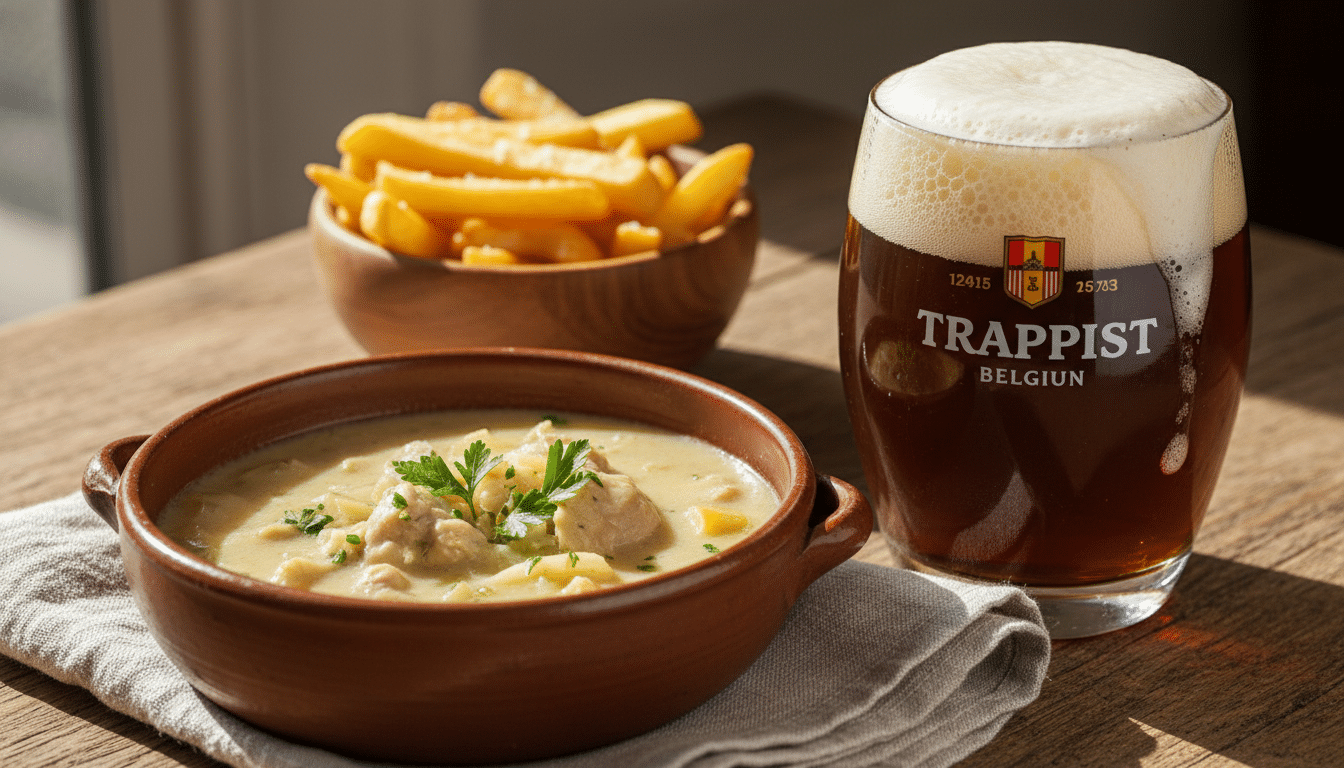
While the chocolate and beer heritage is engaging, the culinary landscape extends far beyond these staples. Tourists are often surprised by the intense seriousness and diversity of the local food culture. Yes, the artisanal chocolate workshops and the incredibly deep, geeky beer culture featuring everything from Trappist ales to sour fruit lambics are phenomenal, but everyday dining is equally impressive.
The national pride in double-fried frites, served at ubiquitous fritkots with dozens of sauces, elevates a simple street food into a proper, respected meal. Furthermore, the overall restaurant quality is exceptionally high. Visitors discover outstanding bistros serving comforting classics like rich beef stew and creamy waterzooi, alongside vibrant international dining scenes in Brussels and Antwerp that reflect a modern, multicultural society.
Are the cities really as safe and unpretentious as locals claim?
One of the most refreshing surprises for travelers in 2026 is the authentic, understated atmosphere that permeates the country. Unlike heavily marketed European destinations that can sometimes feel like crowded theme parks, these cities maintain a lived-in, unpretentious vibe. Visitors frequently note the lack of aggressive tourism hype, which allows them to enjoy top-tier art, history, and culinary delights in a relaxed environment.
Alongside this welcoming atmosphere is a high standard of living that translates directly into the visitor experience. Travelers consistently report that the urban environments, even in bustling areas, feel remarkably safe, clean, and well-maintained, allowing them to explore with confidence and peace of mind.
What makes the historic centers feel so orderly and secure?
The sense of security in these historic cores is largely due to excellent urban planning and a strong emphasis on pedestrian-friendly zones. In cities like Bruges, Ghent, and smaller underrated gems like Mechelen and Leuven, the medieval streets are carefully preserved and often restricted to vehicular traffic, creating a calm, walkable environment. Public transport systems are straightforward, well-lit, and feature clear signage, which significantly reduces the anxiety of navigating a new city. While standard petty crime exists as it does anywhere in Europe, the overall cleanliness, the visible presence of local families enjoying the squares, and the orderly nature of the public spaces make first-time visitors feel unexpectedly secure.
How can you protect your personal data on public networks?
While physical safety is well-managed, modern travelers must also consider their digital security when exploring bustling historic centers and cafes. Relying on open, unsecured public Wi-Fi networks in popular tourist spots or train stations can expose your sensitive personal data to potential cyber threats. To mitigate these risks, utilizing safe eSIM cards is highly recommended.
This dedicated connection allows you to bypass public hotspots entirely, ensuring your online banking and itinerary management remain protected from interception.
What should you expect regarding weather and seasonal crowds?
First-time visitors are often surprised by the unpredictable weather and fluctuating crowds. The climate can be highly changeable, presenting sun, wind, and rain all within a single summer day, making layers and rain gear essential year-round. In terms of crowds, the growing popularity of seasonal events creates distinct peaks in tourism.
Spring flower festivals like Floralia, massive summer music gatherings like Tomorrowland, and the spectacular Winter Wonders Christmas market in December draw immense numbers of domestic and international tourists. Consequently, famous hubs like Bruges and the Brussels Grand Place can become exceptionally crowded during these periods. Savvy travelers are increasingly advised to plan early morning visits or explore underrated second-tier towns like Dinant and the Meuse Valley to escape the congestion and discover the quieter, scenic beauty of the region.






