























For facility and production managers everywhere, maintaining an optimal indoor climate is a constant operational challenge. In large industrial spaces such as factories, warehouses, and production halls, the financial and environmental costs associated with traditional cooling systems are becoming increasingly important. As energy prices continue to fluctuate and corporate sustainability mandates grow stricter, the reliance on conventional air conditioning presents a direct threat to profitability and long-term resilience.
The escalating cost of conventional climate control
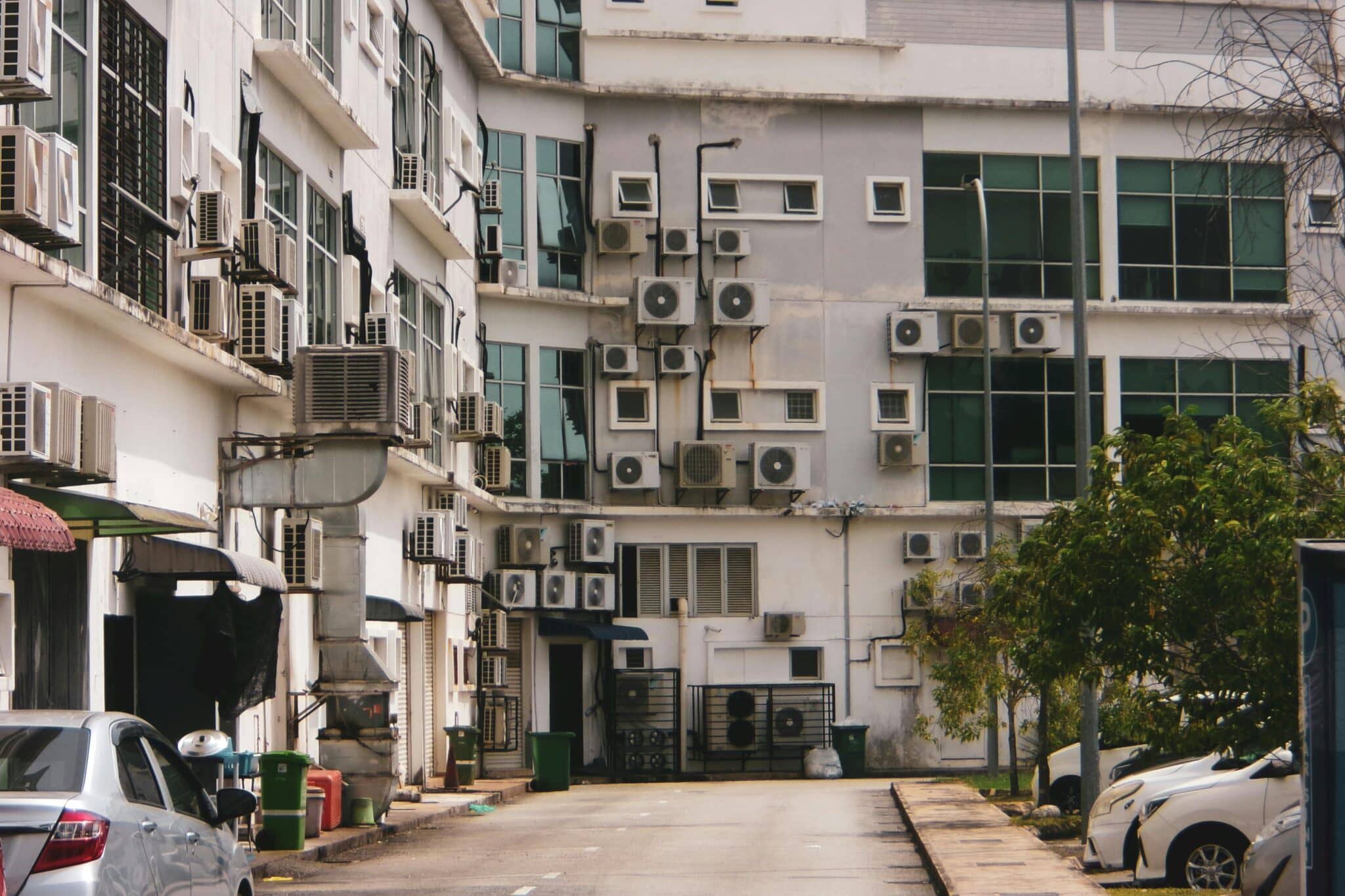
Traditional mechanical cooling systems, which use refrigerants to cool and recirculate indoor air, are notoriously energy-intensive, especially when applied to vast, open-plan industrial environments. These systems often account for a substantial portion of a facility’s total energy consumption, leading to high operational expenditures. The heat generated by machinery and production processes only exacerbates the problem, causing the cooling units to operate at higher capacity and consume even more power.
Apart from the direct financial impact, there are growing environmental concerns. Many refrigerants used in older systems have high global warming potential, and the immense electricity demand contributes significantly to a company’s carbon footprint. For businesses focused on meeting environmental, social, and governance (ESG) goals, conventional cooling methods represent a major hurdle.
Join The European Business Briefing
New subscribers this quarter are entered into a draw to win a Rolex Submariner. Join 40,000+ founders, investors and executives who read EBM every day.
SubscribeRe-evaluating the approach to industrial air quality
An alternative methodology gaining traction in industrial climate control is based on a natural and highly efficient process and it’s one that Oxycom has pioneered for industrial facilities. This approach moves away from simply recirculating stale indoor air and instead focuses on introducing a continuous flow of fresh, cooled, and filtered outdoor air. By doing so, it addresses not only temperature but also indoor air quality, a factor directly linked to employee health, comfort, and productivity.
This method utilizes the simple principle of two-stage evaporative cooling. The technology behind evaporative cooling involves passing warm outdoor air over a moist surface. As the water evaporates, it naturally absorbs heat from the air, lowering its temperature significantly without the use of chemical refrigerants or a power-hungry compressor. The result is a consistent supply of cool, fresh air distributed throughout the facility, creating a more comfortable and healthier working environment.
Tangible benefits for production and logistics environments
The adoption of this sustainable manufacturing technology offers several compelling advantages for business operations. The most immediate is the dramatic reduction in energy use, which translates directly into lower utility costs. Additionally, the constant circulation of fresh air helps to displace airborne contaminants, dust, and heat, improving conditions for both employees and sensitive equipment.
This translates into several operational advantages:
- Drastic reduction in energy consumption, often by up to 90% compared to traditional air conditioning.
- Significant operational cost savings on utility bills, boosting the bottom line.
- Improved indoor air quality, which can lead to reduced absenteeism and higher employee productivity.
- Enhanced alignment with corporate ESG objectives and sustainability reporting standards.
Applications across industrial sectors
This cooling method is highly effective across various sectors. In food production and industrial bakeries, it helps manage the immense heat from ovens while maintaining a clean environment. For metalworking and plastics industries, it effectively mitigates radiant heat from machinery, reducing the risk of heat stress for workers. In packaging and logistics warehouses, it provides cost-effective climate control over large areas, protecting both products and personnel during warmer months.
Forging a path toward resilient and efficient operations
Investing in smart, efficient infrastructure is no longer an option but a strategic necessity for many businesses. Moving beyond legacy cooling systems toward more sustainable and cost-effective alternatives offers a clear path to enhanced operational resilience. It is an investment that pays dividends through reduced expenses, improved productivity, and a stronger corporate reputation.
Analyzing the long-term operational costs and environmental impact of existing systems is the first step toward identifying opportunities for improvement and future-proofing industrial operations.