





























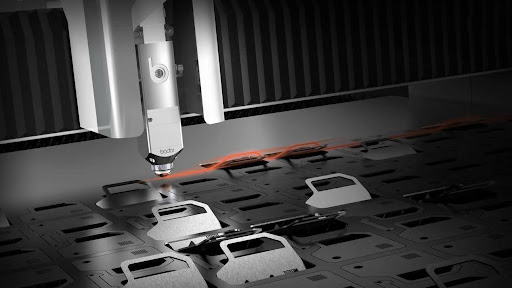
Linear motion means something moves in a straight line. In manufacturing, this type of movement is used to guide, position, and repeat actions with accuracy. It helps machines work faster and more reliably, and it plays a key role in many areas of a factory. You will learn how linear motion technology affects different parts of the production process, and how it is used in real industrial settings.
Assembly Lines
On assembly lines, products move through different stations where work is done. This includes placing, joining, or inspecting parts. Linear motion systems help tools and parts move in and out of these stations smoothly and in the right order.
Electric linear actuators are often used to push or pull items into position. These actuators use motors connected to either ball screws or belt drives. Ball screws give better accuracy, while belts are used when higher speed is more important than precision. Along with these, linear guides make sure that the motion stays straight and stable.
Join The European Business Briefing
New subscribers this quarter are entered into a draw to win a Rolex Submariner. Join 40,000+ founders, investors and executives who read EBM every day.
SubscribeSensors are also used to tell the machine when the item is in the right place. These parts work together to reduce errors and make the line run without stopping. When motion is accurate and repeatable, workers spend less time fixing problems, and more products are made with the same amount of effort.
CNC Machines
CNC machines shape materials like metal and plastic. These machines must move cutting tools in straight lines with very high precision. Any small error can lead to bad parts or tool damage.
Linear motion systems make this kind of movement possible. In most CNC machines, each axis is powered by a servo motor connected to a ball screw. The ball screw turns the motor’s rotation into linear motion. This allows the cutting head to move exactly where it needs to go.
Linear guideways are placed under the moving parts to keep the motion smooth. These guideways are made from hardened steel and can hold the weight of the cutting tools and the workpiece. Because CNC machines often move fast and carry heavy loads, these parts must be strong and have very low friction.
Proper alignment and rigidity are important. Any play in the guides or screws can lead to poor cutting quality. For this reason, high-end CNC machines often use precision-grade components with tight tolerances and preloaded ball screws.
Packaging Systems
Packaging machines need to move items quickly and place them exactly. This includes filling bottles, placing lids, sealing bags, or applying labels. These actions must happen fast but still be accurate.
Linear actuators, often powered by electric motors or air pressure, handle these movements. Pneumatic actuators are common in high-speed lines because they are lightweight and react quickly. For heavier or more exact tasks, electric actuators with ball screw drives are used.
Linear rails guide the motion to keep it straight. These systems are usually built with stainless steel or coated surfaces so they can be cleaned easily. This matters in industries like food or medicine, where hygiene is required.
Many packaging machines also use position sensors and motion controllers to time movements with the flow of the line. This coordination allows one machine to fill a bottle while another places the cap—without either one getting in the way.
Material Handling
Material handling systems move parts and products between workstations. This may involve lifting, sorting, or transferring items. In automated systems, these movements are controlled by machines that rely on linear motion.
Gantry systems are often used here. These machines move in two or three axes using a combination of linear actuators and guide rails. The actuators provide the pushing force, while the rails keep the motion straight. For heavy loads, actuators with screw drives are used. For lighter loads or longer strokes, belt drives may be chosen.
Lift columns and vertical actuators help raise and lower items between levels. In some setups, telescoping guides are used to reduce space while still allowing long travel distances.
These systems reduce the need for manual labor and make it easier to move materials safely. When designed well, they lower the risk of injury and help factories run more efficiently.
Linear motion technology affects many areas of manufacturing. It allows machines to move straight, repeat actions, and stay accurate. From assembly lines to CNC machines, from packaging to material handling, it makes production faster, cleaner, and more reliable.
If you work with machines or help design systems, it’s important to understand how this motion is achieved. Knowing the details helps you choose the right parts, plan better layouts, and solve problems when they come up.