





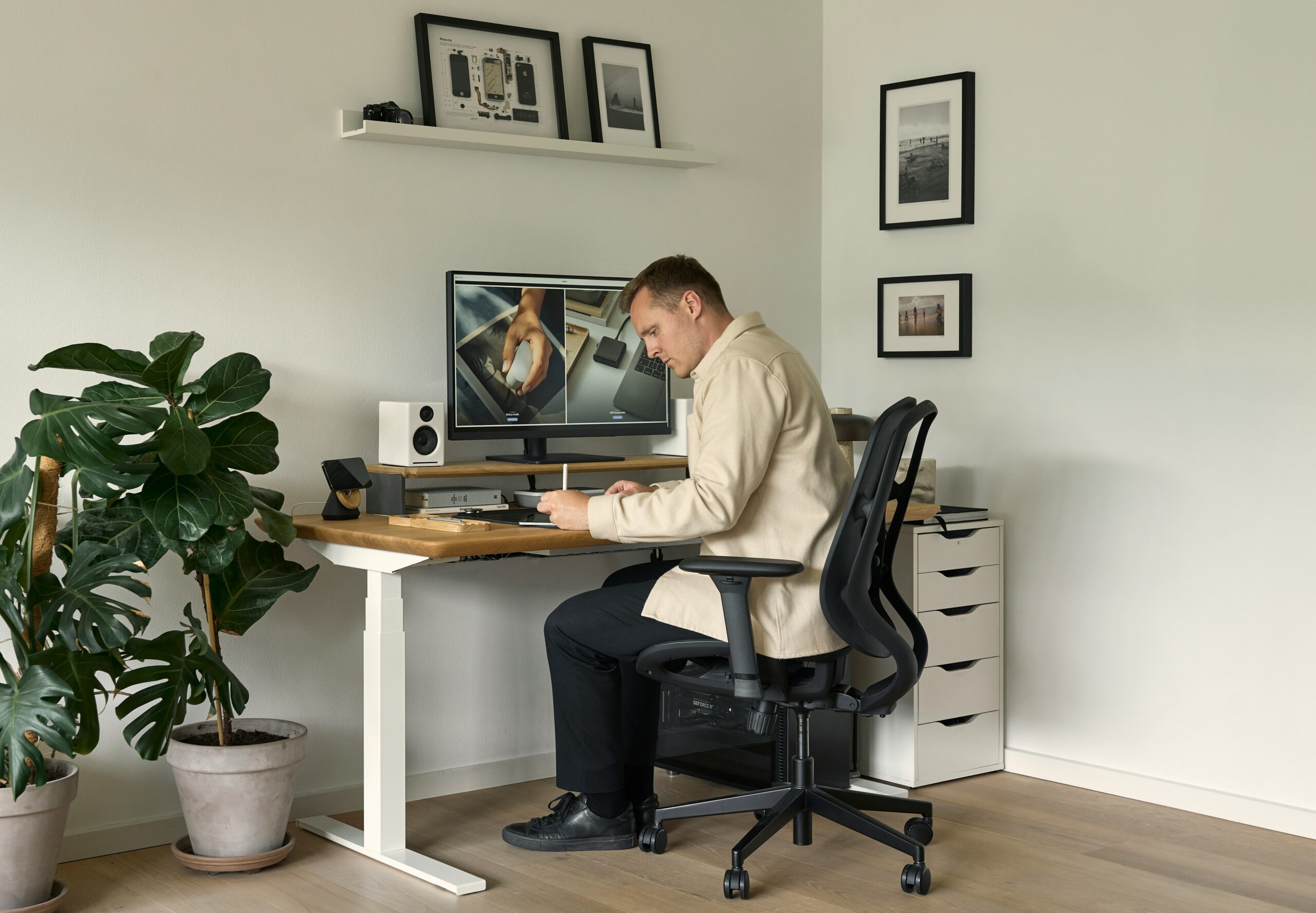
The desk is the centrepiece of any productive workspace. It’s where ideas take shape, projects are completed, and goals are met. Yet, we often overlook its importance, settling for a surface that just about does the job. Choosing the right office desk is a crucial decision that impacts your comfort, health, and productivity far more than you might think.
This guide will walk you through everything you need to know to select the perfect office desk. We will explore different types, materials, and ergonomic principles to help you find a desk that fits not just your space, but your working style too.
Why Choosing the Right Office Desk Matters
An office desk is more than just a piece of furniture; it’s a long-term investment in your well-being and professional effectiveness. Spending hours each day at an unsuitable desk can lead to poor posture, back pain, and a significant drop in focus. A well-chosen desk, on the other hand, promotes a healthier posture, reduces physical strain, and helps create a more organised and efficient work environment. Your working habits and available space are the two biggest factors influencing your choice, dictating whether you need a large, commanding surface or a compact, clever solution.
Join The European Business Briefing
New subscribers this quarter are entered into a draw to win a Rolex Submariner. Join 40,000+ founders, investors and executives who read EBM every day.
SubscribeTypes of Office Desks
The market is filled with options designed for different needs. Understanding the main types is the first step toward finding your ideal match.
Standard Office Desks
The classic choice, a standard office desk is a fixed-height desk that provides a stable and reliable work surface. They come in countless styles, from minimalist designs to executive desks with built-in storage. They are a straightforward and often cost-effective solution for a permanent workspace.
Standing Desks
Growing in popularity, standing desks allow you to alternate between sitting and standing. This flexibility helps to reduce sedentary behaviour and can boost energy levels. There are two main kinds:
- Manual: Adjusted with a hand crank. These are typically more affordable and don’t require a power source.
- Electric: Adjusted with the push of a button. They offer smoother, quicker height changes and often come with programmable memory settings for your preferred heights.
Corner and L-Shaped Desks
Perfect for utilising awkward corners or for those who need an expansive work area. L-shaped desks provide ample space for multiple monitors, paperwork, and equipment, effectively creating two distinct work zones on one surface.
Compact Desks
Designed specifically for small spaces, compact desks are ideal for home offices in alcoves, bedrooms, or shared living areas. They offer a functional workspace without overwhelming the room, with many featuring clever storage solutions to maximise a small footprint.
Standing Desks: Pros and Cons
Standing desks have become a major talking point for modern workspaces. But are they right for you?
Pros:
- Health Benefits: Standing for parts of the day can improve circulation, burn extra calories, and reduce the risks associated with a sedentary lifestyle.
- Increased Energy and Focus: Many users report feeling more alert and productive when they alternate between sitting and standing.
- Flexibility: An adjustable-height desk provides the best of both worlds, giving you the freedom to choose your posture throughout the day.
Cons:
- Cost: Electric standing desks, in particular, can be more expensive than their fixed-height counterparts.
- Adjustment Period: It can take time to get used to standing while working, and standing for too long can cause foot or leg fatigue.
- Stability: Cheaper models can sometimes be less stable at their highest settings. Look for a sturdy frame and quality motor to ensure a wobble-free experience.
When choosing a standing desk, consider the height range, motor quality (for electric models), stability at full height, and desktop size.
How to Measure Your Space Correctly
Before falling in love with a desk, you must ensure it fits your room. Grab a tape measure and consider the following:
- Overall Dimensions: Measure the length, width, and height of the space where the desk will go. Don’t forget to account for skirting boards.
- Clearance: Leave enough room to comfortably pull out your chair and walk around the desk. A good rule of thumb is to have at least 90cm of clear space behind the desk.
- Layout: Think about windows, doors, and power sockets. You don’t want your new desk to block a walkway or be miles from a plug.
- Cable Management: Consider how you will manage cables from your computer, monitor, and other peripherals. Some desks come with built-in cable trays or ports.
Materials & Build Quality
The material of your desk affects its look, feel, and longevity.
- Solid Wood: Durable, beautiful, and timeless. A solid wood desk is a premium option that can last a lifetime but requires more maintenance and comes at a higher price.
- MDF (Medium-Density Fibreboard): A common and budget-friendly choice. MDF desks are often finished with a laminate or veneer. While not as durable as solid wood, they are practical and available in a huge range of styles.
- Metal Frames: Many modern desks, especially standing desks, use a steel frame for strength and stability. These are often paired with a wood or MDF top.
- Glass: A glass-topped desk can make a room feel more open and modern, but it shows fingerprints easily and may not feel as warm or inviting as wood.
Look for a solid build. The desk should feel sturdy, not wobbly. Check the quality of the fixings and, for standing desks, the smoothness of the adjustment mechanism.
Ergonomics Essentials
An ergonomic setup is key to preventing discomfort. Your desk is the foundation of this.
- Desk Height: When sitting, your elbows should be at a 90-degree angle, with your forearms parallel to the floor. Your feet should be flat on the ground. A standard desk is around 73-75cm high, but an adjustable desk allows you to set the perfect height for your body.
- Chair Pairing: Your office chair and desk must work together. Ensure your chair can be adjusted so you can achieve the correct posture relative to the desk height.
- Monitor Placement: The top of your monitor screen should be at or slightly below eye level. You may need a monitor stand or arm to achieve this, so ensure your desk has enough depth.
Budget Considerations
Desk prices can range from under £100 to over £1000. While it’s tempting to go for the cheapest option, it’s worth thinking about long-term value. An affordable desk might suit a temporary need, but a premium model made from higher-quality materials is likely to be more durable, stable, and enjoyable to use for years to come. A high-quality standing desk, for example, is an investment in both your workspace and your health.
Top Tips for Choosing the Perfect Fit
Here is a quick checklist to guide your final decision:
- Assess Your Needs: How do you work? How much space do you need for your equipment and tasks?
- Measure Twice, Buy Once: Confirm the desk will fit comfortably in your room, leaving enough clearance.
- Prioritise Ergonomics: Choose a desk that allows you to maintain a healthy posture. Consider an adjustable-height model for ultimate flexibility.
- Consider the Material: Balance aesthetics, durability, and budget to find the right material for you.
- Check the Build Quality: A sturdy, stable desk is a must, especially if you’re considering a standing desk.
- Think About Storage: Do you need built-in drawers, or will separate storage units suffice?
- Set a Realistic Budget: Invest in the best quality desk you can afford for long-term comfort and productivity.


