




























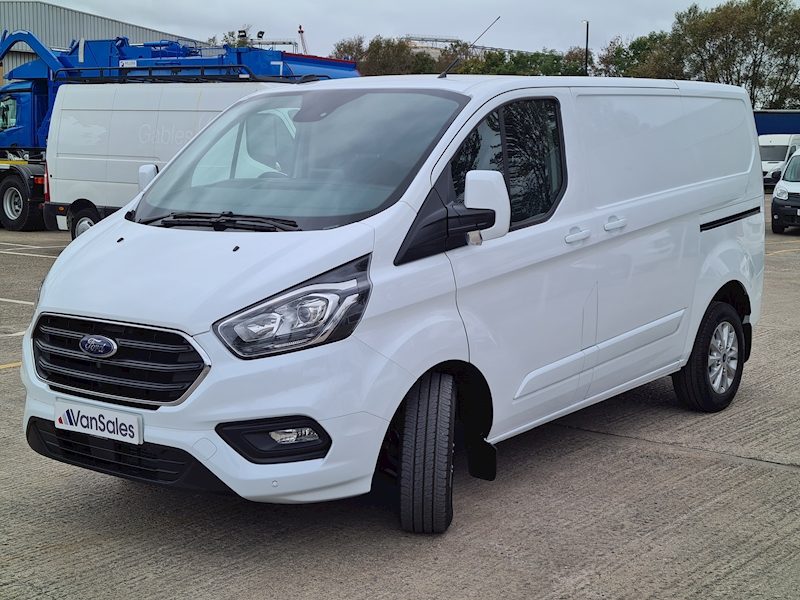
In the fast-paced world of business, small business owners often face the challenge of balancing cost against operational efficiency. One significant decision many entrepreneurs grapple with is whether to buy or lease their business vehicles.
For those in industries where transportation is crucial—be it for delivering goods, serving clients, or transporting work teams—a van can be an invaluable asset. However, the question remains: should a small business owner lease or purchase this essential vehicle? For many, leasing emerges as the smarter choice. Here’s why.
Cost Efficiency and Flexibility
Join The European Business Briefing
New subscribers this quarter are entered into a draw to win a Rolex Submariner. Join 40,000+ founders, investors and executives who read EBM every day.
SubscribeOne of the primary advantages of leasing a van is the cost efficiency it offers. Purchasing a vehicle outright requires a substantial upfront investment, which can be a daunting prospect for small businesses operating on tight budgets. Leasing, on the other hand, typically involves lower monthly payments compared to loan payments on a purchased vehicle.
This means more cash flow is available for other critical business needs, such as marketing, staffing, or inventory. When exploring car leasing deals in stock, small business owners might also find promotions that further reduce costs, such as lower initial payments or bundled maintenance services. Such deals can make leasing even more appealing, allowing entrepreneurs to allocate their financial resources more strategically.
Access to the Latest Models and Features
Another compelling reason to lease a van is the ability to access the most recent models equipped with the latest features. Automotive technology is evolving rapidly, with advancements in safety, fuel efficiency, and connectivity becoming standard in newer models. Leasing gives businesses the opportunity to benefit from these innovations without the long-term commitment of ownership.
Regularly updating to a new model every few years means a business can always drive a van that boasts current technology, efficiency, and reliability. This not only aids in reducing potential breakdowns and maintenance costs but also ensures a positive professional image when meeting with clients or partners.
Lower Maintenance and Repair Costs
Maintenance can be a significant expense for vehicle owners. As vans age, the likelihood of wear and tear increases, potentially leading to expensive repairs. Leasing circumvents many of these issues, as leases typically cover the vehicle during its most reliable years. Moreover, many lease agreements include routine maintenance and sometimes even cover minor repairs. This can substantially reduce the unexpected costs and headaches associated with vehicle ownership.
Since most leases coincide with the vehicle’s warranty period, business owners also enjoy the peace of mind that comes with knowing that any major mechanical issues are likely covered by the manufacturer.
Tax Advantages
From a financial perspective, leasing a van can also provide tax benefits. In many cases, lease payments can be deducted as a business expense on the tax return. This deduction can result in significant savings, ultimately improving a business’s bottom line. To maximize these benefits, it is recommended to consult with a tax professional who can provide guidance tailored to the specific needs of the business.
Easier End-of-Lease Transition
At the end of a lease term, the process of acquiring a new vehicle is often simpler and quicker than the selling or trading process that comes with ownership. Business owners can return the van and choose another model that fits their current needs without the hassle of negotiating a sale or dealing with depreciated asset value.
Moreover, the predictability of the leasing process—knowing when the lease term ends and being able to plan effectively for the subsequent steps—gives small businesses a level of operational stability and foresight that can be advantageous in a competitive market space.
Environmentally Friendly Options
For businesses looking to reduce their carbon footprint, leasing offers the flexibility to switch to greener models as they become available. Hybrid and electric vans, which are becoming increasingly popular, not only reduce emissions but can also offer cost savings in terms of fuel and maintenance. Leasing allows business owners to align their fleet with their sustainability goals without being tied down by older, less efficient vehicles.
In conclusion, leasing a van presents numerous advantages for small business owners. By providing cost efficiency, access to the latest models, lower maintenance costs, tax benefits, and environmentally friendly options, leasing can be a strategic move that enhances business operations while alleviating some of the financial burdens associated with vehicle ownership. For small businesses keen on remaining agile and competitive, leasing is often the smart choice.