




























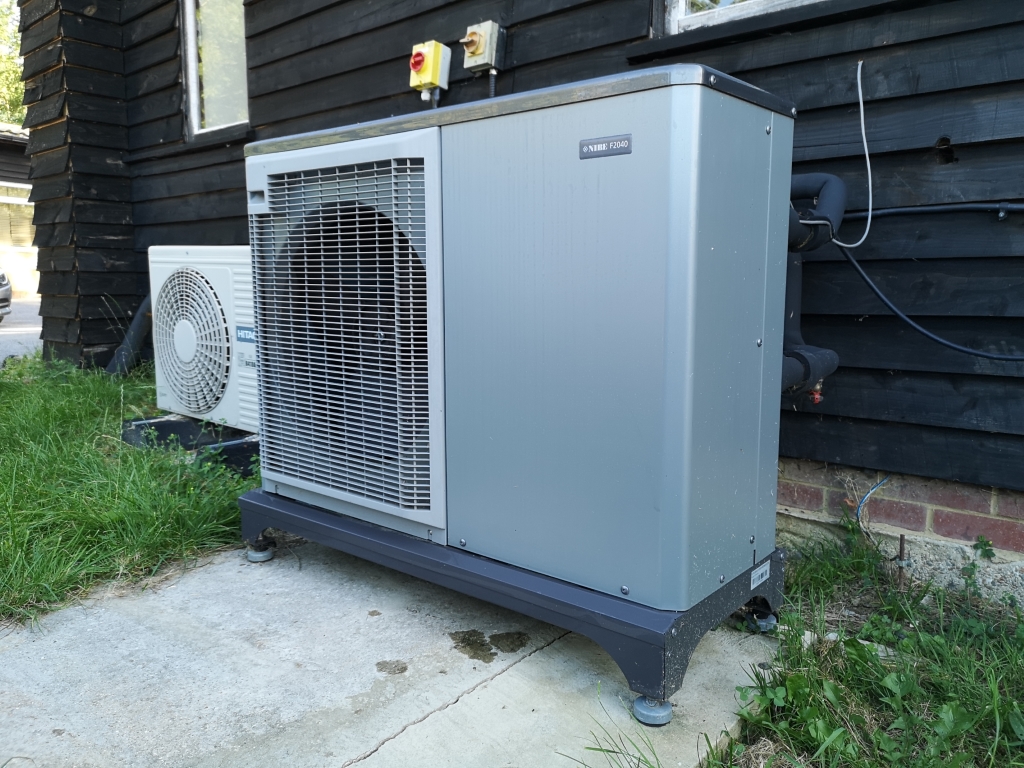
In an era marked by the pursuit of sustainability and cost-effectiveness, businesses are on the lookout for innovative solutions to optimise their operations. One technology that is increasingly gaining traction is the air source heat pump (ASHP). This revolutionary heating and cooling system offers a multitude of benefits that can significantly enhance business efficiency.
How Air Source Heat Pumps Work
Air source heat pumps (ASHPs) operate by extracting heat from the outside air and transferring it inside a building for heating purposes. They can also reverse this process to provide cooling during warmer months. Unlike traditional heating systems, which often rely on fossil fuels, air source heat pumps use electricity to move heat, making them significantly more energy-efficient.
Join The European Business Briefing
New subscribers this quarter are entered into a draw to win a Rolex Submariner. Join 40,000+ founders, investors and executives who read EBM every day.
SubscribeThe cost savings associated with ASHPs can be substantial. Traditional heating systems, such as gas boilers or electric heaters, can be expensive to run, particularly in large commercial spaces. ASHPs, on the other hand, offer a more sustainable and cost-effective solution by reducing energy consumption and associated costs. For businesses, this means lower utility bills and a reduced carbon footprint, aligning with both financial and environmental objectives.
Reducing Energy Costs
One of the most compelling reasons for businesses to consider ASHPs is the potential for substantial energy savings. Energy costs are a significant expense for many businesses, and ASHPs offer a way to mitigate these costs effectively. By harnessing heat from the air, they require less energy to produce the same amount of heat as conventional systems, leading to significant reductions in energy bills.
Moreover, ASHPs are eligible for government incentives and grants in the UK, such as the Renewable Heat Incentive (RHI), which can further offset installation and operational costs. This financial assistance can make the transition to ASHPs even more attractive for businesses looking to improve their energy efficiency and reduce operating expenses.
Minimising Environmental Impact
Sustainability has become a key consideration for businesses as they strive to meet ever more stringent environmental regulations and demonstrate corporate social responsibility. ASHPs play a crucial role in helping businesses achieve these goals by significantly reducing greenhouse gas emissions.
Unlike traditional heating systems that rely on burning fossil fuels and contributing to air pollution, ASHPs use electricity, which can be sourced from renewable energy. This shift not only helps reduce a business’s carbon footprint but also supports the transition to a more sustainable energy system. By embracing ASHPs, businesses can demonstrate their commitment to environmental stewardship and enhance their reputation among environmentally conscious customers and partners.
Improving Indoor Comfort
Efficient heating and cooling systems are essential for maintaining a comfortable indoor environment, which can have a direct impact on employee productivity and overall business performance. ASHPs provide consistent and reliable temperature control, ensuring that employees remain comfortable throughout the year.
Furthermore, ASHPs offer precise temperature regulation, allowing businesses to maintain optimal conditions for specific operations, such as temperature-sensitive manufacturing processes or data centres. By providing a stable indoor climate, ASHPs can help businesses avoid costly disruptions and maintain smooth operations.
Low Maintenance and Longevity
Another advantage of ASHPs is their low maintenance requirements and long lifespan. Traditional heating systems often require regular servicing and repairs, which can add to operational costs and result in downtime. In contrast, ASHPs are designed to be low-maintenance, with fewer moving parts and a longer operational life. This reliability can save businesses both time and money, allowing them to focus on core activities rather than worrying about heating system maintenance.
Scalability and Flexibility
ASHPs are highly versatile and can be tailored to meet the specific needs of different businesses, regardless of size or industry. Whether it’s a small office, a retail space, or a large industrial facility, ASHPs can be scaled and customised to provide efficient heating and cooling solutions. This flexibility makes them an ideal choice for businesses looking to improve their energy efficiency without compromising on comfort or operational requirements.
Conclusion
In conclusion, air source heat pumps represent a significant advancement in heating and cooling technology, offering businesses a range of benefits that can enhance efficiency, reduce costs, and minimise environmental impact. By investing in ASHPs, businesses can achieve sustainable and cost-effective temperature control, improve indoor comfort, and demonstrate their commitment to sustainability.
As the UK continues to prioritise energy efficiency and environmental responsibility, ASHPs are poised to become a game-changer for businesses seeking to thrive in the modern world.