





























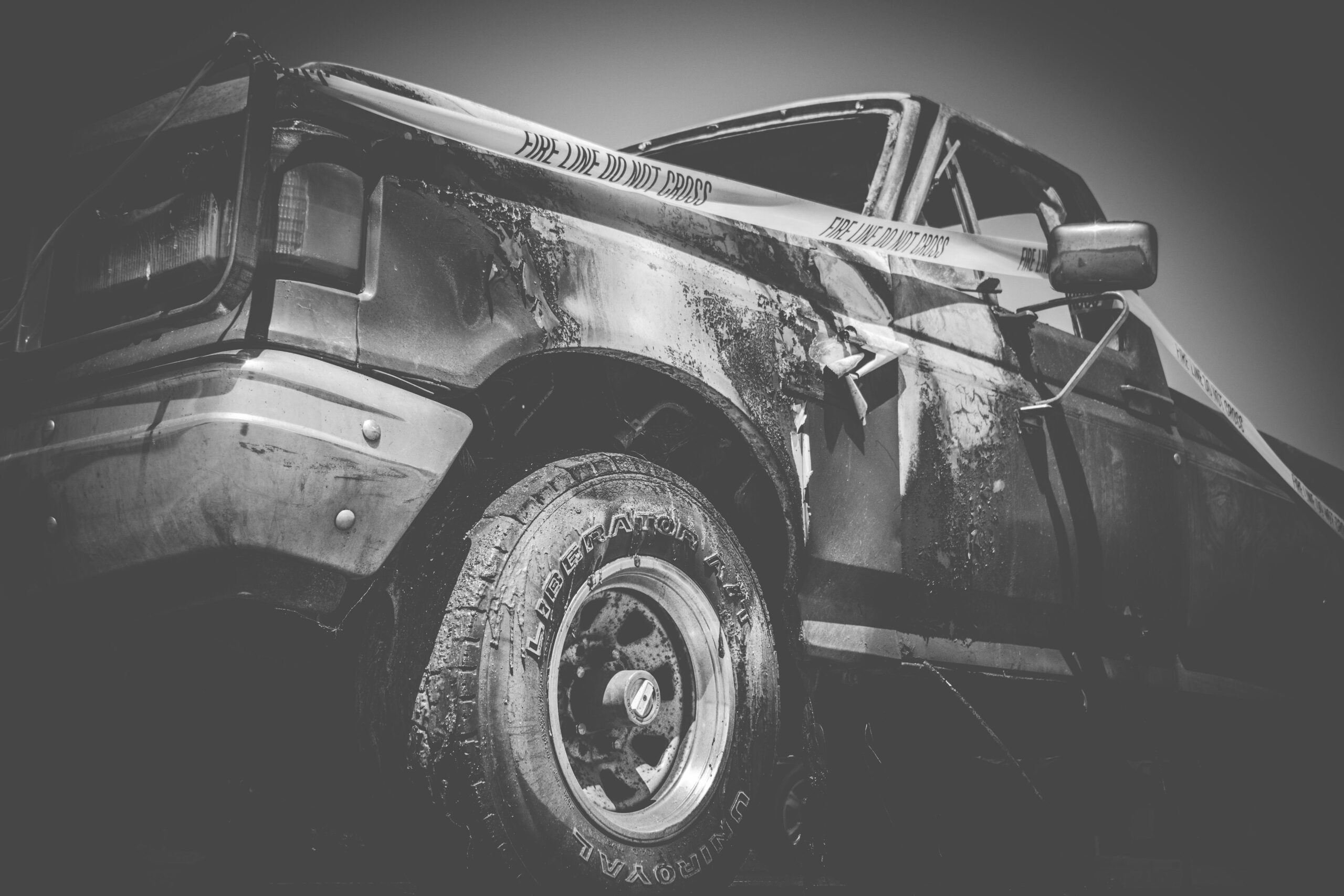
These aren’t just larger versions of regular car accidents.
Commercial truck accidents claimed nearly 11 lives per day throughout the United States in 2023, with 4,354 people dying in these crashes. The sheer size and weight of commercial vehicles create unique dangers, with fully loaded trucks requiring 525 feet to stop compared to 316 feet for passenger cars.
Understanding responsibility in commercial truck accidents involves multiple parties, including drivers and employers. We’ll explore what makes a truck commercial in this piece, the common causes behind commercial vehicle accidents, and why seeking guidance from a commercial truck accidents lawyer is significant to protect your rights after an injury by commercial vehicle.
Join The European Business Briefing
New subscribers this quarter are entered into a draw to win a Rolex Submariner. Join 40,000+ founders, investors and executives who read EBM every day.
SubscribeHow Commercial Trucks Differ from Passenger Vehicles
Extreme Weight and Stopping Distance
A fully loaded commercial truck weighs up to 80,000 pounds. That makes it 20 to 30 times heavier than passenger vehicles, which weigh between 3,000 and 4,000 pounds. This massive weight difference creates distinct operational challenges that separate commercial vehicle accidents from standard car crashes.
Stopping distance becomes a critical factor in commercial truck accidents. A passenger vehicle traveling at 65 miles per hour needs 316 feet to stop. A commercial truck at the same speed requires 525 feet. That’s nearly the length of two football fields compared to one.
Brake Systems and Mechanical Differences
Brake lag adds complexity. Passenger cars use hydraulic brakes that respond instantly. Commercial trucks rely on air brakes that operate more slowly. This delay extends the total stopping distance even further when coupled with the vehicle’s massive weight.
Federal Oversight and Driver Requirements
Federal regulations impose stricter requirements on commercial drivers that don’t apply to regular motorists. Truck drivers must get a Commercial Driver’s License through testing and pass a detailed DOT physical exam every two years. They must follow Hours of Service rules that limit them to 11 hours of driving within a 14-hour window. These drivers also conduct daily pre-trip and post-trip inspections, and their vehicles undergo annual inspections.
Understanding Responsibility in Commercial Truck Accidents
Driver and Employer Liability
Responsibility in commercial truck accidents extends way beyond the driver behind the wheel. Multiple parties can share liability when negligence contributes to a collision. This creates a complex web of accountability that separates these cases from typical car crashes.
Truck drivers face individual responsibility for violations. These include driving under the influence, exceeding hours of service limits, distracted driving and aggressive driving. They also face responsibility for failing to inspect their vehicles before trips. Trucking companies can be held accountable for negligent hiring practices and inadequate driver training. Companies that push drivers to violate hours of service regulations face liability. The same applies when they fail to maintain vehicles or encourage unsafe practices to meet delivery deadlines.
Third-Party and Product Liability
Third-party involvement adds complexity. Cargo loading companies may be liable when cargo shifts during transport because it wasn’t secured. This causes the truck to become unstable, tip over or lose control. Maintenance contractors face responsibility when mechanical failures result from substandard work or missed inspections. They’re also liable for failure to address known defects. Parts manufacturers can be held accountable through product liability claims. This happens when defective components like brakes, tires or steering systems fail and cause accidents.
Vicarious Liability and Employment Status
A motor carrier can be responsible for a driver’s negligence under vicarious liability. This applies when the driver was acting within the scope of employment during the commercial vehicle accident. This legal connection doesn’t depend on job titles alone. The carrier’s control over routes, equipment and safety rules may still support liability even if a driver is classified as an independent contractor.
Common Causes of Commercial Truck Accidents
Fatigue and Hours-of-Service Violations
Commercial truck accidents result from multiple high-risk factors including fatigue, distraction, speeding, weather conditions and mechanical failures.
Driver fatigue ranks among the most prevalent causes. FMCSA studies show fatigue plays a role in 13% of commercial vehicle crashes. Hours of service violations push drivers beyond safe limits. This leads to slower reaction times and microsleeps that last 1 to 10 seconds. Trucking companies sometimes pressure drivers into violating these regulations through tight deadlines and unrealistic delivery schedules.
Distracted and Aggressive Driving
Distracted driving creates substantial risk in commercial truck accidents. Truck drivers texting while driving are 23.2 times more likely to be involved in an accident. A hand-held device increases crash probability by 600% when drivers dial it. A driver texting takes his eyes off the road for an average of 4.6 seconds and travels the length of a football field at 55 mph.
Speeding contributes to around 28% of fatal crashes each year. About a third of fatal truck accidents involve driver error, and speeding is the most common error.
Weather, Maintenance, and Cargo Issues
Weather conditions compound these dangers. Around 12 percent of crashes are weather-related and account for nearly 745,000 accidents each year. Rain causes 77 percent of weather-related crashes.
Mechanical failures from inadequate maintenance cause brake malfunctions and tire blowouts. Improper cargo loading creates instability. FMCSA cites cargo securement violations as a leading factor in thousands of crashes.
Why Evidence and Investigation Move Faster in Trucking Cases
Commercial truck accident cases rarely follow the same path as regular car accident claims. Federal compliance records, electronic logging devices, maintenance histories, cargo documentation and corporate safety policies can all become central pieces of evidence. Investigations often move quickly, and trucking companies typically deploy response teams immediately after serious crashes.
Because multiple entities may share responsibility, determining liability can require reviewing employment contracts, service agreements, inspection logs and internal communications. These cases are not just about what happened on the road. They are about policies, oversight and systemic safety decisions made long before the collision occurred.
Accidents involving large commercial trucks often result in catastrophic injuries and complex liability issues due to multiple potentially responsible parties, including the driver, the trucking company, maintenance providers or cargo handlers. Because these cases demand a careful review of layered responsibility and technical evidence, finding an attorney for your truck accident case can be a critical step for victims seeking rightful compensation.