





























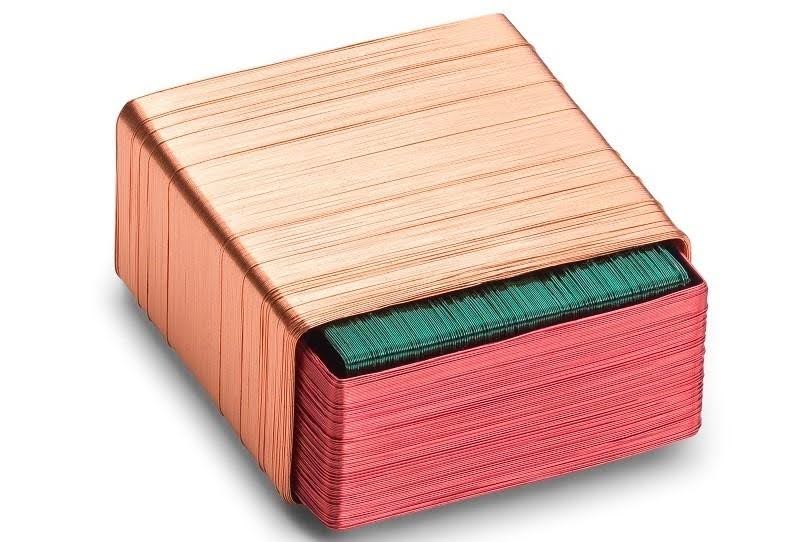
If you’ve searched for What are micro coils?, you’re probably trying to figure out what makes tiny coils special. Maybe you want to use them in sensors, medical tools, or electronics where space is tight. Or maybe you heard about their power but got stuck in technical jargon.
You’re not alone. Micro coils are terms that often confuse. But they are actually simple in essence. A micro coil is just a very small coil — wound wire that makes magnetic fields or picks them up. But because they’re small, every detail matters more: wire diameter, core material, winding style, how well heat is managed. These things separate good coils from frustrating ones.
I’m going to walk you through “what are micro coils”, how they work, where they shine, and what to watch out for. So you feel confident, not overwhelmed.
Join The European Business Briefing
New subscribers this quarter are entered into a draw to win a Rolex Submariner. Join 40,000+ founders, investors and executives who read EBM every day.
SubscribeWhat Is a Micro Coil, Exactly?
- A coil means a conductor (wire) wound into shapes like spirals, solenoids, or flat pancakes. A micro coil means that geometry shrunk down. We’re talking extremely fine wires, tiny diameters, and small overall size.
- They are used where regular coils are too big, or where precision and sensitivity count. Think implants, micro-MRI, wireless sensors, tiny transformers.
Key Design Aspects of Micro Coils
Because micro coils are small, design and manufacturing need to be precise. Here’s what top engineers always check:
- Wire size & type
The thinner the wire, the more turns you can pack in. But thin wires have higher resistance, and they heat up more easily. Usually copper or gold are common, sometimes special coatings.
- Core material
Cores can be:
Air core (no magnetic material) → lighter, less inductance.
Magnetic core (ferrite, iron, composite) → more inductance, higher field strength but may introduce losses or saturation.
- Winding configuration
The shape of the coil winding matters. Common ones: solenoidal (cylinder), flat/pancake, even 3D rolled up or planar spirals. The geometry and positioning change how uniform fields are, how well cooling happens, and how stable the coil is.
- Thermal / power handling
Tiny coils often run high currents or fast switching. Heat (Joule heating) becomes a big issue. Managing it via design, materials, or pulses is crucial. Otherwise coils lose efficiency, or even fail.
- Frequency & parasitic effects
At higher frequencies, small parasitic capacitance or unwanted inductance become big problems. Engineers must balance coil geometry and materials to keep losses low.
Where Micro Coils Shine
Micro coils are not just “cute tech.” They solve real problems.
- Medical devices & implants: Devices like pacemakers, neurostimulators, and small sensors benefit from coils that take minimal space, produce higher sensitivity, and waste less energy.
- Magnetic sensing and imaging: Micro-coils in MRI, micro-MRI or magnetic resonance microscopy boost resolution, reduce probe size, and improve detection.
- Power electronics & high frequency switching: Tiny inductors for power supplies (SMPS), converters, or integrated circuits use micro coils to help reduce size while maintaining performance.
- Sensors and communication: Small coils are used in sensors that measure fields, positions, or in wireless transmission for implants or small nodes.
What Are The Common Challenges
Because micro coils are small, small problems magnify.
- Winding tolerances: tiny misalignments or uneven spacing can lead to poor performance.
- Heat dissipation: if wire or core heats up, resistance rises, performance drops.
- Fabrication of fine wires what small diameters can be fragile and hard to connect.
- Core saturation: magnetic cores have limits. If flux gets too high, coil loses its benefits.
How to Choose a Micro Coil Wisely
You want one that does its job and lasts. Here’s what to do:
- Define what you need: the inductance, operating frequency, maximum current, heating limits, physical size.
- Get spec sheets with numbers: resistance, inductance, quality factor (Q), temperature stability. If datasheet only says “low resistance” with no number, that’s a warning.
- If possible, test the coil yourself under conditions close to your use case. Real-world testing beats perfect lab specs.
- Check the core material: is it suited for your magnetic field strength? Are sources of heat and loss manageable?
- Make sure the coil’s configuration (whether solenoidal, planar, etc.) fits your device physically and electrically.
So, What Are Micro Coils?
Micro coils are tiny, but their impact is big. When designed with care, they bring together space efficiency, sensitivity, and power handling. When designed poorly, they become weak points, heat-soak, signal drop, wasted energy.
If you’re working with micro coils, keep design sharp, specs clear, and test early. And then your device or system will benefit.
FAQs.
1. “Am I going to mess this up because microcoils look too precise to handle?”
It’s a real worry. Working at tiny scales always feels fragile. But remember: precision comes from good design and good partner tools. If you take the time early to understand what specs you need and don’t rush, you’ll build something solid.
2. “What if I choose a coil and later find it gets too hot or fails under load?”
That fear is legit. Micro coils do heat up. That’s why knowing the current limits, cooling paths, and testing under load matters so much. Picking a coil with conservative specs (better than you think you’ll need) helps avoid surprises.
3. “It seems like everything about microcoils is trade-off: size vs performance vs durability. How do I know where to compromise?”
Yes, trade-offs are real. But you can make those trade-offs work for you. Decide what matters most to your device: sensitivity? low heat? small size? Once you know that, you can choose what you accept and what you don’t. It’s never perfect, but with focus you can choose smart.