





























In recent years, video games have moved far beyond simple entertainment and casual leisure. For millions of players around the world, gaming has become a meaningful way to disconnect from daily stress, refocus scattered attention, and gradually restore emotional balance. In an age dominated by constant notifications, social media pressure, and information overload, interactive digital worlds offer something increasingly rare: controlled and purposeful immersion. Unlike passive forms of media, games demand participation, decision-making, and presence, which naturally pulls the mind away from anxious rumination. This article explores how and why video games can function as a modern form of meditation, examining psychological mechanisms, different game genres, and even competitive titles to understand their calming and restorative potential.
The psychology behind digital immersion
Meditation is often associated with silence, stillness, and minimal external stimulation, but at its core, it is about focused attention and conscious presence in the moment. Video games recreate these conditions in a modern, interactive format through structured challenges, clear goals, and immediate feedback. When players focus on in-game tasks, their attention narrows naturally, and external worries temporarily fade into the background. The mind stops jumping between concerns and instead anchors itself to what is happening on the screen. This mental state closely resembles mindfulness, where awareness is directed toward a single activity without constant judgment or distraction.
Psychologists often describe this effect as a “flow state,” a concept introduced by Mihaly Csikszentmihalyi. During flow, a person becomes fully absorbed in what they are doing, often losing track of time, fatigue, and self-critical thoughts. Video games are especially effective at triggering flow because they dynamically balance difficulty and skill. As players improve, challenges scale accordingly, keeping the experience engaging but not overwhelming. This balance helps regulate cognitive load, allowing the brain to remain active and alert while avoiding the stress associated with tasks that feel either too easy or impossibly difficult.
Join The European Business Briefing
New subscribers this quarter are entered into a draw to win a Rolex Submariner. Join 40,000+ founders, investors and executives who read EBM every day.
SubscribeStress relief through interactive control
One of the most important reasons video games feel calming is the sense of control they provide. Real life is filled with uncertainty, complex social dynamics, and outcomes that are often beyond individual influence. In contrast, games operate within clearly defined rules and systems. Players understand what actions lead to progress, how failure occurs, and what steps are required to improve. Even when mistakes happen, they are framed as part of the learning process rather than irreversible consequences. This predictability reduces anxiety and creates a safe mental environment where experimentation feels acceptable.
Even fast-paced genres can have a meditative effect once players enter a rhythm and internalize core mechanics. Competitive shooters, for example, demand focus, precision, and quick decision-making under pressure. Over time, actions such as aiming, movement, and positioning become almost automatic. Following professional tournaments like valorant champions often motivates players to train with greater intention, paying close attention to timing, positioning, and teamwork. As a result, intense matches transform into structured mental exercises that sharpen concentration rather than chaotic stressors that overwhelm the mind.
Different genres, different meditative effects
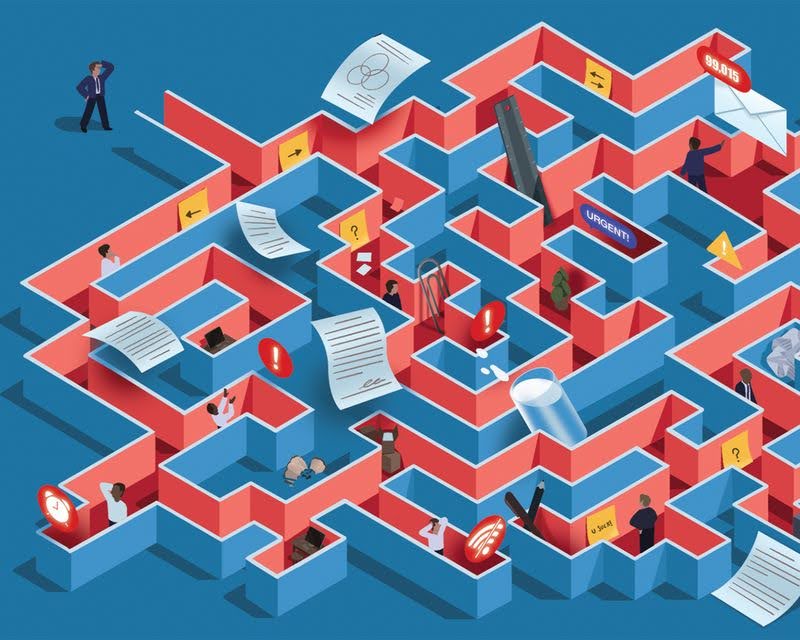
Not all video games offer the same type of mental relaxation, and their meditative impact often depends on genre and pacing. Slow-paced exploration games encourage contemplation, curiosity, and emotional reflection. These titles allow players to move at their own speed, absorb visual and auditory details, and engage with virtual environments without constant pressure. Such experiences can resemble guided meditation, where attention gently follows sensory input and narrative cues.
Puzzle games, on the other hand, stimulate logical thinking and structured problem-solving. By focusing the mind on patterns, sequences, and spatial relationships, they gently redirect attention away from intrusive thoughts and emotional noise. Action and esports titles promote a form of active meditation. The constant need for awareness and reaction keeps the mind firmly anchored in the present moment. Multiplayer environments also introduce social interaction, which can enhance emotional well-being when communication is cooperative, goal-oriented, and respectful.
Competitive gaming and mindful performance
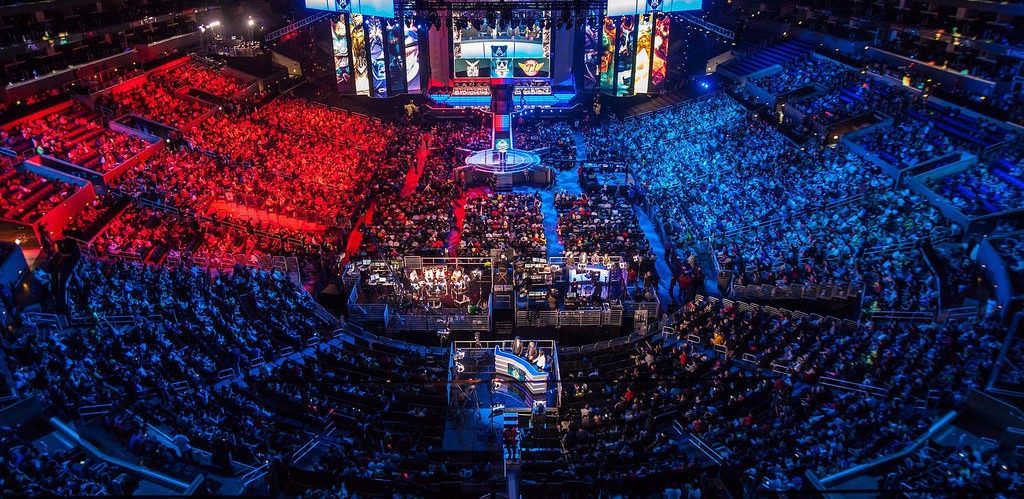
At first glance, esports may seem incompatible with meditation due to high pressure, strict performance expectations, and public scrutiny. However, at a professional level, mental discipline is just as important as mechanical skill. Top players consistently emphasize calmness, breathing control, emotional regulation, and mental clarity. Without these qualities, maintaining consistent performance across long tournaments becomes nearly impossible.
Watching and analyzing competitive events teaches viewers how focus and discipline translate into success. Players observe how professionals recover after mistakes, adapt strategies mid-match, and maintain composure under stress. Through this process, gamers learn to manage frustration, reset mentally after failures, and stay present throughout extended play sessions. These skills closely mirror traditional meditation practices, but they are adapted to a digital, competitive context that resonates with modern audiences.
Healthy gaming habits for mindful play
To truly experience video games as a form of meditation, balance and intention are essential. Short, focused gaming sessions often provide more mental benefit than long, unfocused marathons. Setting clear goals before playing helps maintain awareness and prevents mindless engagement. Choosing games that align with current emotional needs also matters, whether the goal is calm exploration, creative expression, or intense concentration.
Mindful gaming involves paying attention to one’s mental and emotional state before, during, and after play. If a game leaves you feeling relaxed, mentally clear, and emotionally refreshed, it is likely serving a meditative function. If it consistently increases stress, irritation, or fatigue, it may be time to adjust session length, difficulty level, or even switch genres. Awareness transforms gaming from passive consumption into an intentional mental practice.
Conclusion
Video games are no longer just a pastime or a means of distraction; they have evolved into a powerful mental tool suited to the realities of modern life. Through immersion, focused attention, and controlled challenges, games help players reach psychological states similar to meditation. Whether through quiet exploration, logical problem-solving, or competitive mastery, video games offer new and accessible ways to practice mindfulness in a digital age. When approached thoughtfully and responsibly, gaming becomes not an escape from reality, but a practical method for restoring balance, clarity, and emotional resilience within it.