





























On March 23, 2026, PayPal announced that it would be integrating with Venmo. With such integration, Venmo users now have access to 200 million more users and can send and receive money across 90+ different markets. This changes Venmo completely. They’re no longer just a domestic money transfer app. Users can now transfer funds internationally by using only a phone number.
How Venmo’s PayPal Integration Works
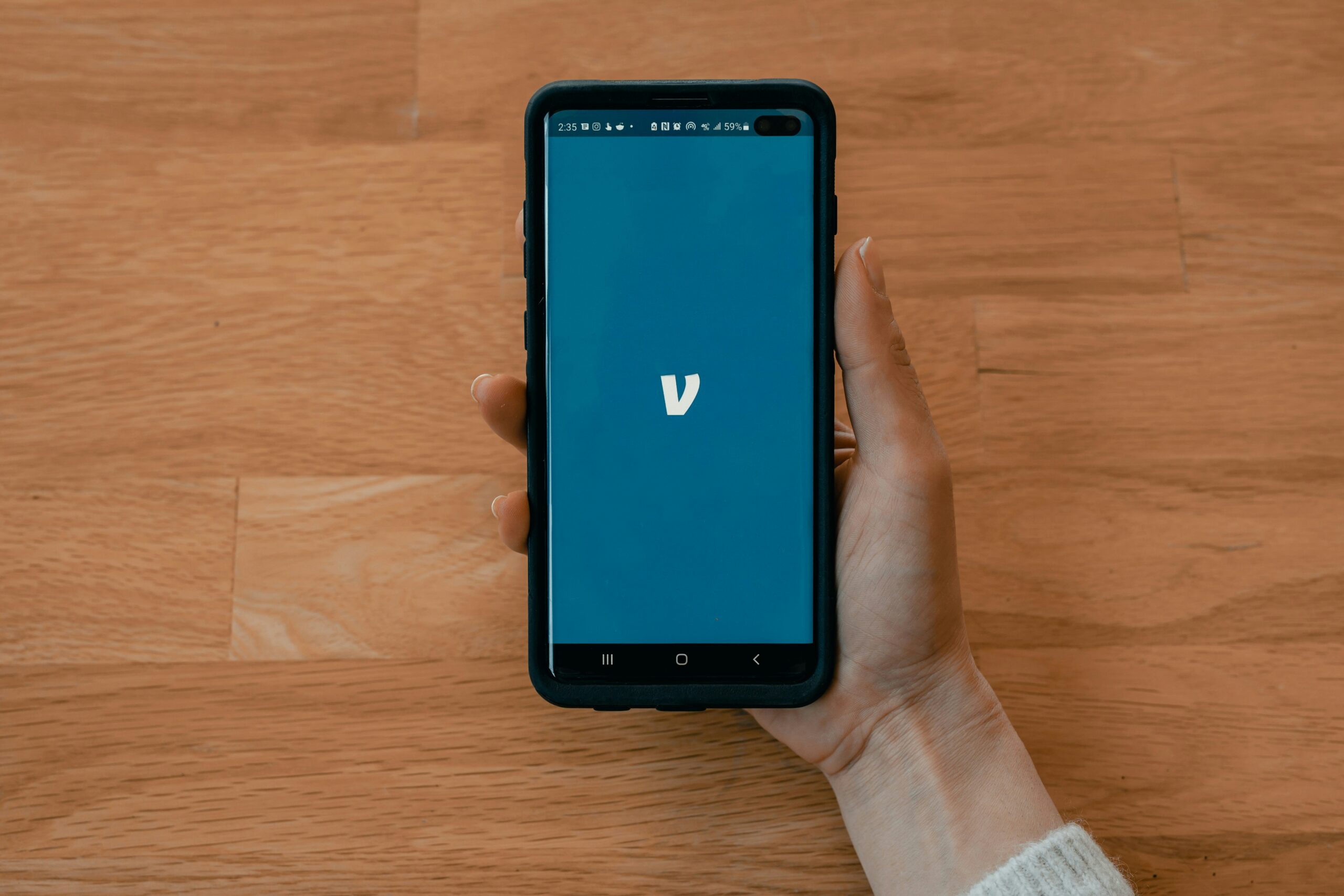
The process has been designed with the original Venmo experience in mind. Therefore, all you need is the recipient’s phone number. Once you’ve entered their phone number into Venmo, it’ll search for a PayPal account that has that number linked.
Join The European Business Briefing
New subscribers this quarter are entered into a draw to win a Rolex Submariner. Join 40,000+ founders, investors and executives who read EBM every day.
SubscribeAfterwards, the sender will enter the amount they’d like to transfer in US dollars. On the app’s display will be an entire breakdown of the fees and exchange rates that’ll need to be confirmed. Once confirmed, the transfer will then be sent, exactly like it would on the standard Venmo platform.
General Manager of PayPal’s Consumer Group, Diego Scotti, described this move as bringing “two ecosystems together” to allow payments “without friction or borders”. Those who rely on two payment apps, Venmo for domestic payments and a separate platform for international payments, can now do so with one, streamlining the complete process.
What makes this notable from a business point of view is the transparency and security. Every transaction shows a full cost breakdown before confirmation, and the system relies on PayPal’s established infrastructure for identity verification and fraud protection. For an app built on convenience, adding this layer of trust across international transfers is a clear sign of where fintech is heading.
Verification First, Transaction Second

The integration itself reflects a much broader change across all digital platforms. Whether it’s a payment app, an e-commerce checkout, or a subscription service, users expect secure, verified transactions as standard.
Even entertainment platforms that require transactions, like online casinos, are following this route. Card details must be linked to a verified account before a user can do anything, even if it’s a free spins no deposit offer from operators like Paddy Power. The principle is the same across all industries: verify first, transact second.
Venmo couldn’t have chosen a better provider to integrate with in this regard. PayPal, as a brand, has similar levels of trust from consumers as Visa and Mastercard. This is through their years of experience and security features like biometric verification that work exceptionally well.
What This Means for Fintech Going Forward
We can’t think of Venmo’s integration move as “just adding international transfers to a domestic app”. It’s a statement on where the fintech industry is placing its bets. They’re focused more than ever on cross-border payments, transparency, and infrastructure, which is exactly what this integration offers.
Global ecommerce sales are set to go up by $2.5tn in the next five years. With this, the demand for secure, frictionless payment systems will increase. Those who get this right, which we believe Venmo is on track, will be the ones who transform how we handle online purchases and peer-to-peer transactions, regardless of industry.