





























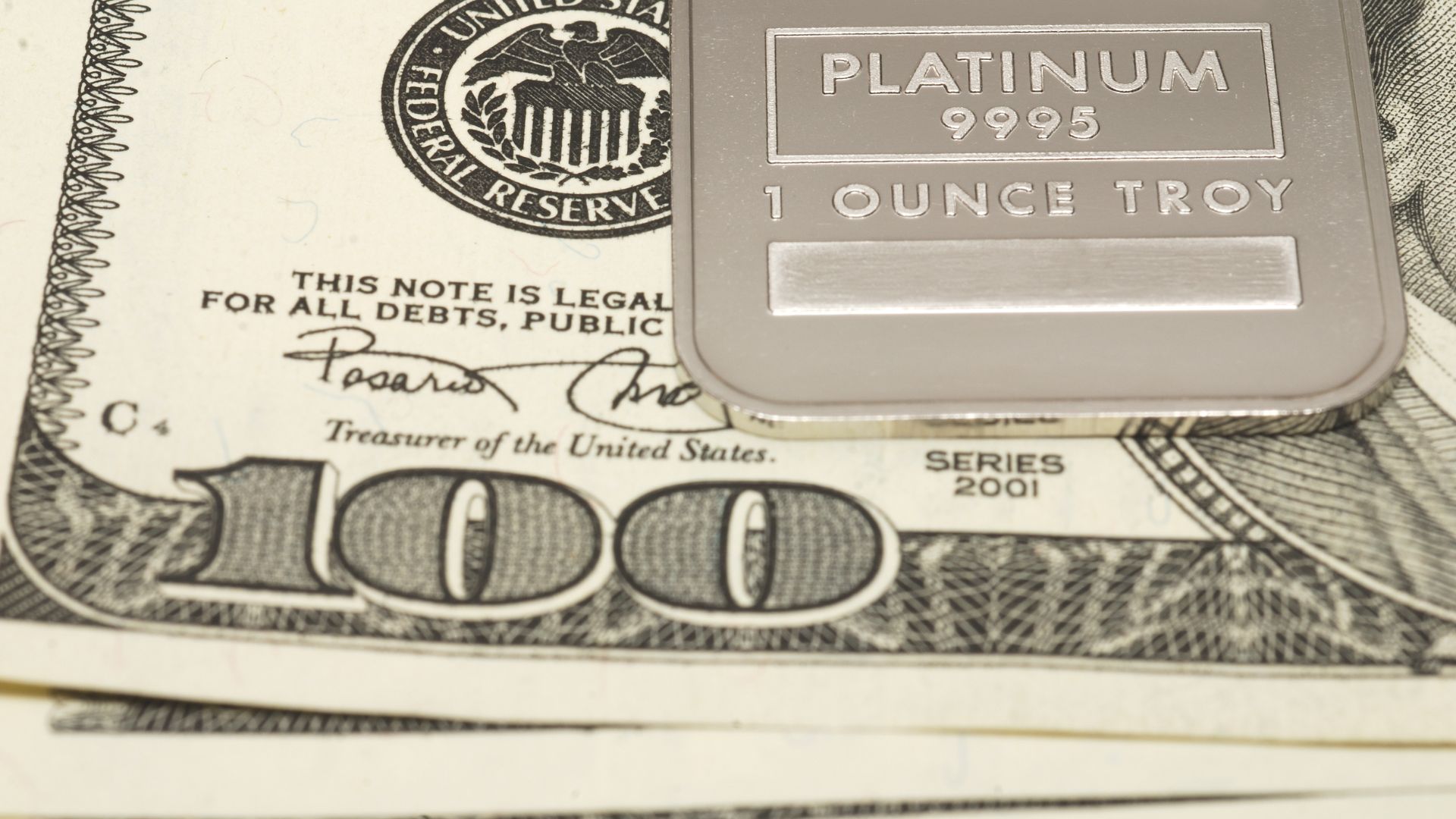
Many believe that investing in precious metals like platinum is reserved for the seasoned investor, but this couldn’t be further from the truth. Starting your journey into platinum investment is not only accessible but can also be a wise decision to diversify your portfolio. In this guide, we’ll demystify the market, explore the critical factors influencing platinum prices, and compare the merits of investing in platinum stocks versus owning physical platinum. We’ll walk you through setting up your investment account quickly, share strategies to make your platinum investment journey successful and discuss navigating potential risks. Moreover, we’ll advise when it might be beneficial to expand your investment horizons beyond platinum. Whether you’re a beginner looking to make your first investment or seeking to diversify your portfolio, this guide will equip you with the knowledge to confidently step into the world of platinum investing.
Understanding the Market: Key Factors Influencing Platinum Prices
As we can read in the article https://stonexbullion.com/en/blog/how-to-invest-in-platinum/, investing in platinum requires a keen understanding of the various elements that impact its market value. Supply and demand dynamics play a pivotal role. Platinum’s rarity, coupled with its high demand in industrial applications, mainly automotive catalytic converters, significantly influences its price. Additionally, mining production levels, primarily from South Africa, Russia, and Zimbabwe, where most platinum is mined, can cause price fluctuations. Economic conditions in these countries can affect mining operations, thereby impacting global supply.
Moreover, the investment landscape for platinum is also shaped by several other critical factors:
Join The European Business Briefing
New subscribers this quarter are entered into a draw to win a Rolex Submariner. Join 40,000+ founders, investors and executives who read EBM every day.
Subscribe- Economic indicators: Global economic health influences industrial demand for platinum, particularly in significant economies like China and the USA.
- Investor sentiment: The market’s perception of platinum as a safe-haven asset during economic uncertainty can drive demand and prices.
- Technological advancements: Innovations in automotive technology, especially in emission-reducing technologies, can increase the demand for platinum.
- Market speculation: Futures and options markets play a significant role in setting platinum prices through speculative trading.
Combined with geopolitical events and currency fluctuations, these elements make the platinum market a complex but potentially rewarding investment arena.
Choosing Your Investment Path: Platinum Stocks vs. Physical Platinum
Deciding between investing in platinum stocks or opting for physical platinum is a pivotal choice for any investor looking to diversify their portfolio with this precious metal. Platinum stocks offer a way to invest in companies that mine, refine, or trade platinum, potentially providing dividends and ease of liquidity. On the other hand, physical platinum, such as bars or coins, offers a tangible asset to hedge against inflation or economic uncertainty. Key considerations include:
- Risk tolerance: Platinum stocks can be more volatile, reflecting not only platinum prices but also company performance and market conditions.
- Investment goals: Physical platinum might appeal to those seeking long-term value preservation, while stocks can offer quicker gains (and losses).
- Storage and insurance: Owning physical platinum requires secure storage and insurance, adding to the cost.
- Liquidity: Stocks can typically be bought and sold more quickly than physical platinum, offering greater flexibility.
Understanding these differences is crucial in making an informed decision that aligns with your financial goals and risk appetite.
Setting Up Your Investment Account: A Step-by-Step Guide
Embarking on your journey into the platinum investment market requires setting up an investment account, which can often seem daunting to beginners. The first action is to choose a reputable brokerage or trading platform that offers access to the commodities market or specifically to platinum products, such as ETFs (Exchange-Traded Funds), physical platinum, or futures contracts. It’s essential to compare fees, security measures, user interface, and customer support among different platforms to find one that best suits your investment style and goals.
Once you’ve selected your platform, the next step is to complete the registration process. This typically includes providing personal information, verifying your identity, and linking a bank account to funding your investments. It’s crucial to ensure the security of your personal data by using strong passwords and enabling two-factor authentication if available. Additionally, be prepared to answer questions about your investment experience and risk tolerance, which help the platform offer suitable investment options and tools.
After your account is set up and funded, you can invest in platinum. However, before making any transactions, conducting thorough research or consulting with a financial advisor to understand the platinum market’s nuances is advisable. This includes analyzing market trends, demand and supply factors, and geopolitical issues affecting prices. With a well-informed strategy, you can confidently begin your investment journey, aiming for long-term growth and diversification of your portfolio. Investing in precious metals like platinum can add a valuable hedge against inflation and currency devaluation to your investment mix.
Strategies for Successful Platinum Investing: Tips for Beginners
Entering the world of platinum investing requires a strategic approach to maximize returns and minimize risks. As a beginner, it’s essential to understand the market dynamics and how they can impact your investment. Here are some key strategies to consider:
- Research the Market: Before making any investment, it’s crucial to conduct thorough research. Understand the factors influencing platinum prices, such as automotive demand, jewelry market trends, and investment demand.
- Diversify Your Portfolio: Don’t put all your eggs in one basket. Including platinum in a diversified investment portfolio can help spread risk and increase potential returns.
- Consider Platinum ETFs and Stocks: For those not ready to invest in physical platinum, ETFs (Exchange-Traded Funds) and stocks of mining companies offer a more accessible entry point into the market.
- Stay Informed: The commodities market can be volatile. Staying informed about global economic indicators, geopolitical events, and technological advancements in platinum industries is vital for timely decision-making.
- Set Realistic Expectations: Like any investment, it’s essential to have realistic expectations about returns. Platinum can be a long-term investment, so patience is vital.
By adhering to these strategies, beginners can navigate the complexities of platinum investing with greater confidence and success. Remember, knowledge is power, and in the world of investing, it’s your most valuable asset.
Navigating Risks: How to Safeguard Your Platinum Investments
Understanding the volatility inherent in the platinum market is crucial for investors looking to safeguard their assets. The price of platinum, like other precious metals, is influenced by various factors, including market demand, mining supply, and global economic conditions. To mitigate risks, investors should diversify their portfolios, not only across different asset classes but also within the precious metals sector itself. Diversification can help absorb shocks from platinum price fluctuations, ensuring your investment remains more stable.
Another critical strategy involves staying informed about the platinum market and its trends. This means keeping an eye on industrial demand, particularly from the automotive sector, which consumes a significant portion of annual platinum production for use in catalytic converters. Additionally, geopolitical events and changes in mining technology can also impact supply levels and, consequently, prices. By understanding these factors, investors can make more informed decisions, timing their purchases or sales to maximize returns or minimize losses. Real-time monitoring tools and subscribing to industry newsletters can be invaluable.
Expanding Your Portfolio: When to Diversify Beyond Platinum
Diversification is crucial for managing risk and enhancing potential returns within an investment portfolio. While platinum can be valuable, expanding your investment horizons beyond a single asset class is crucial for long-term success. Historical data suggests that portfolios with a mix of asset classes tend to outperform those heavily concentrated in one type of investment.
Understanding the market cycles of different asset classes is essential for adequate diversification. For example, the technology sector has grown significantly over the past decade, outpacing many traditional investments. However, sector-specific risks and economic downturns can affect these high-growth areas.
Strategic asset allocation is another critical aspect of diversification. This involves setting target allocations for various asset classes and periodically rebalancing the portfolio to maintain these targets. A well-structured allocation strategy can help investors capture growth in rising markets and protect against losses in declining ones. For instance, reallocating a portion of profits from high-performing assets to underperforming ones can reduce risk and improve the portfolio’s overall performance. This approach encourages investors to buy low and sell high, a fundamental principle of successful investing. By incorporating a range of asset classes, including but not limited to platinum, investors can create a more resilient and dynamic investment portfolio.