





























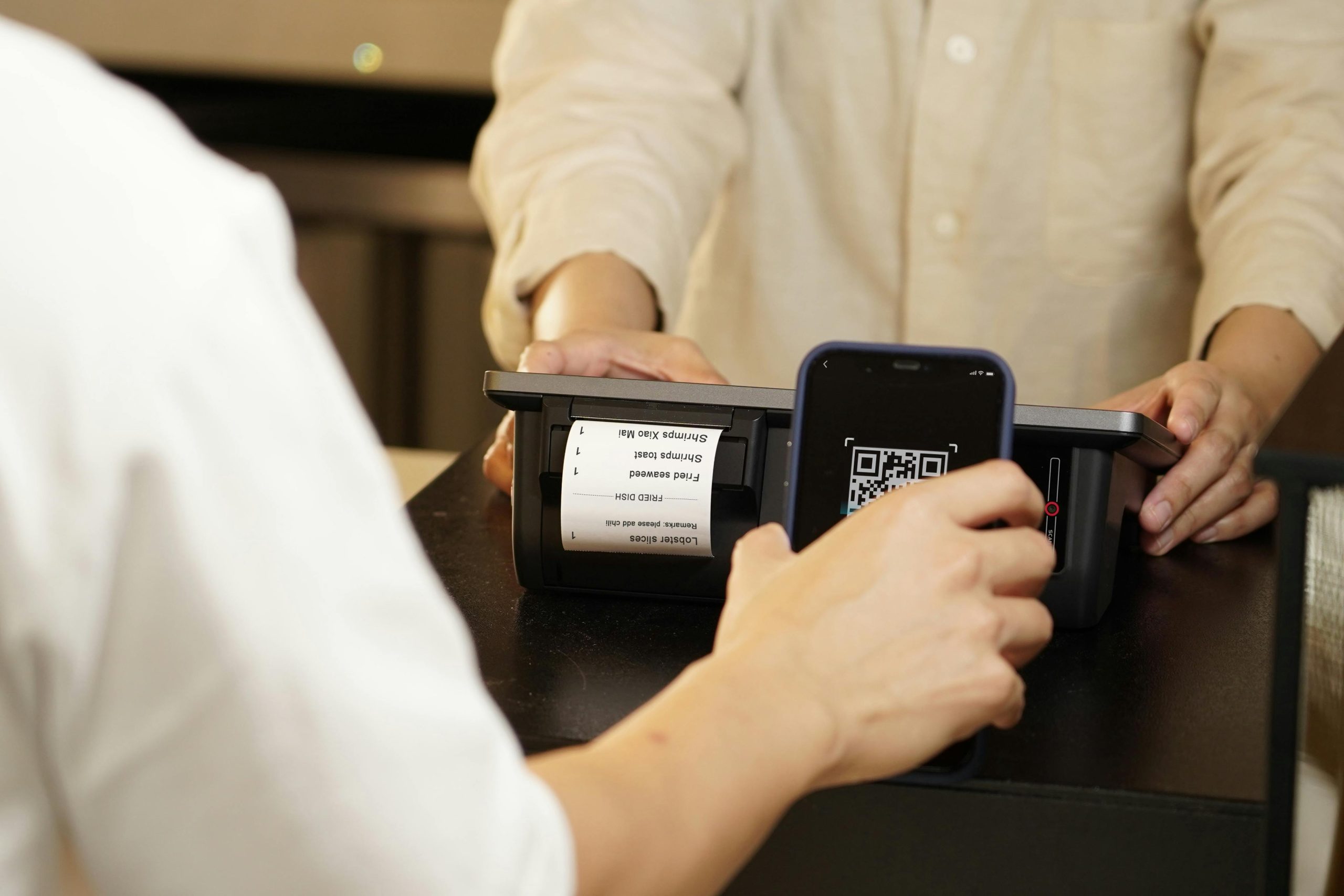
Businesses and residential communities are rethinking how people access buildings. Traditional keys and fobs are giving way to smarter, digital-first solutions that offer both security and convenience. One of the most promising innovations is the QR code intercom. This modern access system allows tenants, employees, and visitors to enter buildings by scanning a secure code with their smartphone.
As companies embrace hybrid work, property managers focus on operational efficiency, and residents demand seamless living experiences, QR code intercoms are quickly becoming a go-to technology. They provide the perfect balance of simplicity, cost savings, and enhanced security, making them an attractive option for forward-looking organizations and property owners.
What is a QR code intercom?
A QR code intercom is an access control system that uses quick response (QR) codes to grant entry into a building or secured area. Instead of relying on physical keys, fobs, or keycards, users receive a unique QR code that can be scanned at the intercom. Once scanned, the system verifies the code and unlocks the door or gate in seconds.
Join The European Business Briefing
New subscribers this quarter are entered into a draw to win a Rolex Submariner. Join 40,000+ founders, investors and executives who read EBM every day.
SubscribeThe process is simple: a property manager or system administrator generates a QR code and shares it with an authorized user, whether that’s a resident, employee, guest, or delivery driver. The code can be set to expire after a certain time or for a single use, adding an extra layer of security. This makes QR code intercoms a highly flexible option for properties that need both strong access control and easy visitor management.
Why traditional access methods fall short
For decades, buildings have relied on physical keys, key fobs, and numeric keypads to manage entry. While these methods are familiar, they come with significant drawbacks. Keys and fobs can be lost, stolen, or copied, creating both security risks and administrative headaches. Replacing them often requires time and money, especially in larger properties where multiple users are involved.
Keypads present their own challenges. Shared codes can be passed around without oversight, making it difficult to track who is entering the building. Once a code is compromised, it must be changed for every user, which disrupts access and frustrates tenants or employees.
As security needs become more complex and people expect faster, more convenient ways to move through buildings, these traditional methods no longer meet modern demands. That’s where QR code intercoms offer a clear advantage; combining convenience with tighter control.
Benefits of QR code intercoms
QR code intercoms solve many of the challenges that traditional systems can’t. Their advantages extend beyond convenience, offering a well-rounded solution for modern buildings.
- Convenience: Users no longer need to carry physical keys or fobs. A smartphone is all it takes to access the property, making entry seamless for residents, employees, and guests.
- Security: Unlike keys or codes that can be shared or duplicated, QR codes can be set to expire after a certain time or be valid for only one use. This ensures tighter control over who enters the building.
- Cost efficiency: By reducing the need for physical keys and fobs, property managers save on replacement costs and time spent managing access credentials.
- Flexibility: QR codes can be shared instantly via text or email, making it easy to grant temporary access to delivery drivers, contractors, or visitors.
Real-world applications of QR code intercoms
QR code intercoms are versatile systems that can be deployed across a wide range of property types. Their flexibility makes them valuable in settings where both security and convenience are priorities.
In multifamily housing communities, residents can easily manage their own access while securely sharing temporary codes with friends, family, or delivery personnel. This reduces the workload for property staff and creates a more seamless living experience.
For corporate offices, QR code intercoms support hybrid work by giving employees a reliable way to enter buildings without needing to manage badges or fobs. Temporary codes can also be issued to contractors or clients for scheduled visits.
Hotels and short-term rentals benefit from the technology by offering guests an easy way to access rooms or amenities without relying on physical keycards, which are often lost or demagnetized.
Even in gated communities and parking facilities, QR code intercoms simplify entry management while maintaining strong oversight. Administrators can quickly generate or revoke codes as needed, giving them control without unnecessary friction.
How QR code intercoms improve visitor management
Managing visitors is one of the biggest challenges for any property, whether it’s an office building, residential community, or hospitality space. QR code intercoms make this process far more efficient by replacing outdated methods like paper logs, temporary badges, or constant staff supervision.
With a QR code intercom, property managers or administrators can generate and share temporary codes instantly. Guests, service providers, and delivery drivers simply scan their code at the entrance, and the system logs the entry. This creates a digital record of every visitor, offering greater transparency and security.
For staff, this means less time spent manually granting access or tracking down visitor details. For residents and businesses, it ensures that guests enjoy a smoother, more professional experience from the moment they arrive. By automating visitor access, QR code intercoms strengthen security while reducing administrative workload.
Choosing the right QR code intercom system
Not all QR code intercoms are created equal. To truly enhance security and convenience, property managers and business leaders should look for systems that combine ease of use with powerful management features.
An effective QR code intercom should offer:
- Mobile-friendly access: The system must be simple for anyone with a smartphone to use.
- Cloud-based management: Remote access controls and real-time monitoring ensure administrators can manage entry from anywhere.
- Integration capabilities: Seamless compatibility with existing access control systems and property management platforms makes operations more efficient.
- Scalability: As properties grow or new sites are added, the intercom should adapt without costly overhauls.
The future of building access
As buildings become smarter and more connected, access control is evolving to match new expectations. People now want seamless, secure, and touchless ways to move through spaces, whether they’re entering an office, an apartment building, or a gated community. QR code intercoms fit neatly into this trend, offering a digital-first solution that can easily integrate with other property technologies.
Looking ahead, we can expect QR code intercoms to play a larger role in shaping modern properties. Their ability to work alongside cloud-based platforms, smart locks, and mobile apps positions them as a cornerstone of future-ready access control. For property owners, this means not only stronger security but also a more attractive, tech-forward experience for residents, employees, and visitors alike.
Conclusion
QR code intercoms are redefining how people access buildings by combining simplicity, flexibility, and enhanced security. They eliminate the frustrations of keys and fobs, streamline visitor management, and give property owners greater control over who enters their spaces.
As digital-first solutions continue to gain momentum, QR code intercoms stand out as a practical investment for properties of all sizes. By adopting this technology today, businesses and residential communities can future-proof their access systems and deliver a modern experience that tenants, employees, and guests will appreciate.