






























By Nick Stsunton, Editor-In-Chief
Updated 30th May 2026-Michael Jordan earned $93.7 million across 15 NBA seasons. It sounds extraordinary. It is also barely 2.5% of what he is worth today.
That gap — between what Jordan earned competing and what he has accumulated since — is one of the most instructive business stories of the modern era. Not because it is a tale of luck or timing, though both played a role, but because it is a story of architecture. Of a man who understood, earlier than almost anyone in professional sport, that athletic fame is not an income stream. It is a platform. And platforms, properly built, compound indefinitely.
Forbes puts Jordan’s current net worth at $3.8 billion. The majority comes not from basketball, but from three sources: Nike royalties that have run for four decades and show no sign of slowing, the sale of his majority stake in the Charlotte Hornets at a valuation that turned a $275 million investment into over $3 billion, and a focused investment portfolio managed through his family office, Jump Management. The court was the launchpad. Everything else is the trajectory.
Join The European Business Briefing
New subscribers this quarter are entered into a draw to win a Rolex Submariner. Join 40,000+ founders, investors and executives who read EBM every day.
SubscribeJordan is no longer simply a sporting icon. He is the original blueprint for athlete wealth creation — and his approach to converting fame into a self-compounding financial machine has influenced everything from how billionaires now approach sports franchise ownership to how Ronaldo, LeBron and Mbappé structure their commercial empires today. Understanding how he did it remains the most useful case study in the modern athlete economy.
The NBA Contracts
Jordan entered the league in 1984 as the third overall pick, signing a seven-year $6.3 million rookie contract with the Chicago Bulls on 12 September that year. His first-season salary was roughly $550,000 plus a $250,000 signing bonus — well paid for the era, when the average NBA salary sat around $300,000, but nowhere near the financial stratosphere he would later occupy.
His salary grew steadily through the late 1980s, never exceeding $4 million during the Bulls’ first three-peat from 1991 to 1993. In modern terms, he was dramatically underpaid relative to his global cultural and commercial impact. Everything changed after his first retirement. The Bulls stunned the league by paying Jordan $30.14 million for the 1996–97 season — more than the entire team salary cap at the time. The following year he earned $33.14 million, a record that stood for nearly two decades until Stephen Curry and LeBron James surpassed it.
Yet even these paydays would soon look small against what was building off the court.
The Nike Deal That Changed Everything
In 1984, Nike was a distant third in basketball footwear behind Converse and Adidas. The company needed a breakthrough and took a calculated gamble on a rookie.
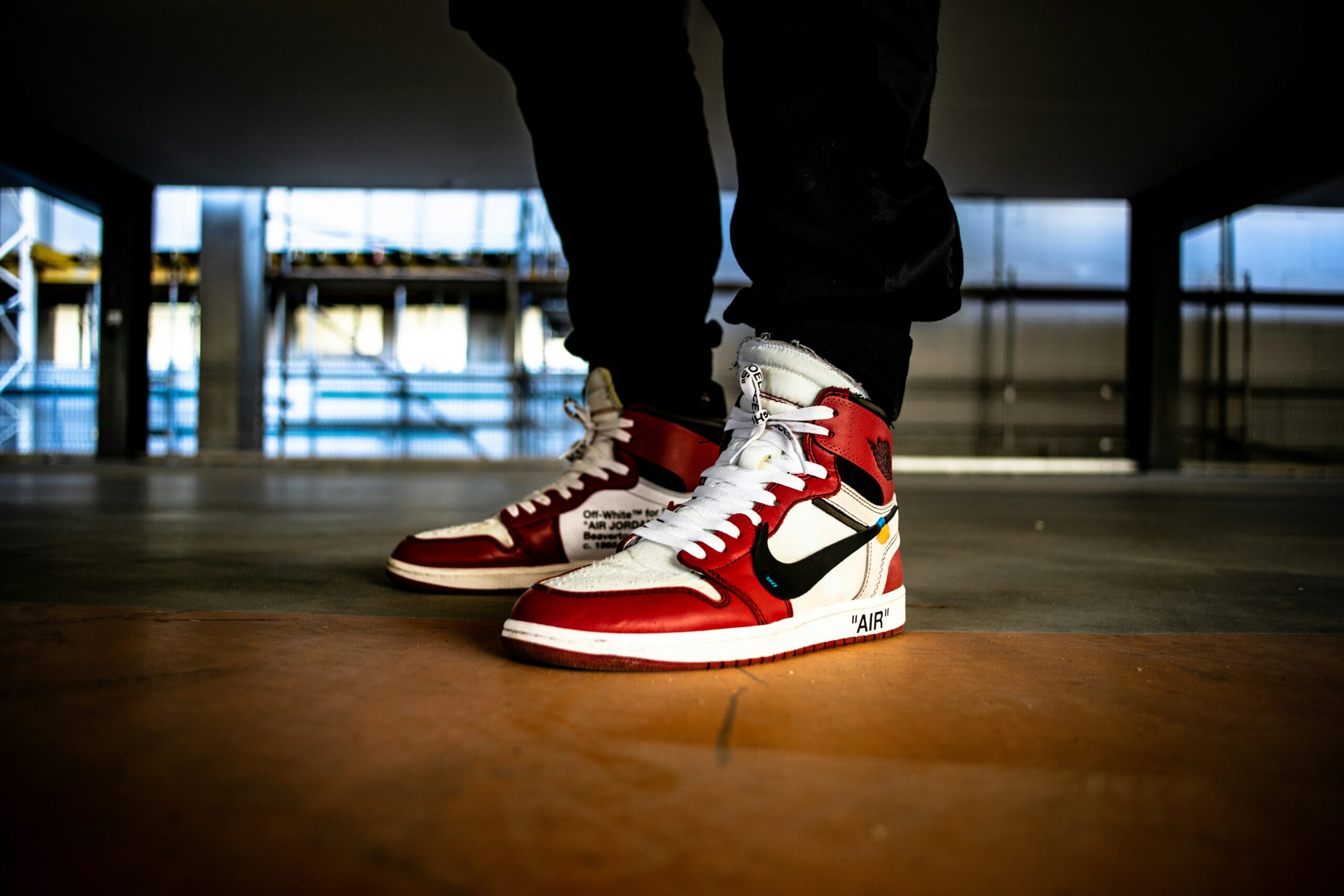
The five-year $2.5 million endorsement deal included one revolutionary clause: royalties on every pair of Air Jordans sold. No athlete had negotiated this before. Jordan’s agent David Falk pushed for the equity-style structure — a decision now widely regarded as the most important commercial negotiation in sports history.
Nike projected $3 million in first-year sales. Actual sales hit $126 million.
Because Jordan owned the upside, his income scaled with the product’s success. By 1997, Nike launched Jordan Brand as an independent sub-brand — making Jordan the first athlete with his own division inside a major corporation. Today, Jordan Brand generates roughly $7.3 billion annually according to Nike’s investor filings, though this was down 16% year-on-year in fiscal 2025. Jordan reportedly receives around 5% in royalties, translating to approximately $150 million per year — more than he made during his entire NBA career. His total lifetime earnings from the partnership are estimated to exceed $1.3 billion.
The structure mirrors what has since become standard in high-value commercial relationships across sport, where athletes increasingly demand equity or royalty arrangements rather than flat fees. The same logic now drives how sports franchises approach commercial partnerships — the most valuable sports brands are those that capture upside rather than accepting fixed payments.
The Charlotte Hornets: $275 Million to $3 Billion
Jordan’s most important capital allocation decision came in 2010 when he bought a majority stake in the Charlotte Hornets (then Bobcats) for approximately $275 million. At the time, the franchise was among the NBA’s least valuable.
His timing proved exceptional. NBA franchise valuations were entering an unprecedented growth phase driven by rising media rights, international expansion and scarcity — the same dynamics now inflating valuations across global sport. By 2014, rising NBA valuations pushed Jordan past billionaire status — the first player in league history to reach that milestone.
The returns were extraordinary. In 2019, Jordan sold a partial stake at roughly a $1.5 billion valuation. By 2023, he sold his majority position at approximately $3 billion — a return exceeding 10x in 13 years. He retains a minority stake and has since acquired a minority position in the Miami Marlins baseball franchise, maintaining exposure to professional sports ownership while diversifying across leagues.
The Hornets deal remains one of the most successful athlete-to-owner investments ever executed, demonstrating that the real money in sport increasingly flows not to players but to the owners who control franchise equity.
The Investment Portfolio
Beyond Nike and franchise ownership, Jordan has built a focused portfolio through family office Jump Management, led by Curtis Polk. The approach resembles how sophisticated private capital now operates — selective, concentrated, and aligned with personal expertise.
In 2020, Jordan co-founded 23XI Racing with NASCAR driver Denny Hamlin, entering a sport undergoing rapid ownership transformation. The same year he became an adviser and investor in DraftKings, positioning himself within the fast-expanding sports betting market as US legalisation accelerated.
He co-founded Cincoro Tequila in 2019 alongside fellow NBA team owners, targeting the luxury spirits market. His endorsement portfolio beyond Nike has historically included Gatorade, Hanes — a partnership spanning more than 30 years — McDonald’s, Coca-Cola, and Upper Deck. He co-owns an automotive group with Nissan dealerships, owns the exclusive Grove XXIII golf course in Florida, and has invested in fintech company Vanilla, esports outfit AXiomatic Gaming, and Courtside Ventures, a VC fund focused on sports and lifestyle raising $100 million for its fourth fund.
In May 2025, Jordan was announced as a special contributor for the NBA on NBC commentary team, marking a new chapter as the league returned to the network. Jordan Brand continues expanding beyond basketball, now outfitting Paris Saint-Germain in football and reportedly targeting the Brazilian national team for the 2026 World Cup — a move that would extend the brand’s reach into the world’s most popular sport at its biggest tournament. The “40 Years of Greatness” campaign launched in 2025 marks the 40th anniversary of Air Jordan with a year-long series of product launches and activations designed to keep the brand culturally relevant for a new generation of consumers.
The Lesson Behind the Billions
Jordan’s financial legacy reduces to a simple principle that most athletes still fail to execute: celebrity creates attention, ownership captures value.
By insisting on royalties in 1984, he built a compounding wealth engine that has now outlasted his playing career by three decades and generates more annually than most athletes earn in a lifetime. By buying the Hornets, he captured franchise appreciation at a time when sports assets were becoming one of the world’s most reliable alternative investments. By treating his personal brand as an asset class managed through a disciplined family office, he ensured retirement from sport became the beginning of his financial story rather than the end.
The approach stands in contrast to peers like Serena Williams, who has diversified across more than 90 venture investments. Jordan’s strategy has been fewer bets, higher conviction, longer hold periods. At 62, he is no longer dominating the United Center. He is something arguably more powerful: a permanent case study in converting cultural capital into generational wealth. At $3.8 billion and rising, the scoreboard is still moving.
Frequently Asked Questions
What is Michael Jordan’s net worth in 2025? Michael Jordan’s net worth is estimated at approximately $3.8 billion according to Forbes, making him the richest former professional athlete in the world and the only billionaire the NBA has ever produced.
How did Michael Jordan become a billionaire? Jordan crossed the billion-dollar threshold in 2014, primarily through the rising value of his Charlotte Hornets ownership stake combined with cumulative Nike royalties. He later sold the Hornets majority stake for approximately $3 billion in 2023.
How much does Michael Jordan earn from Nike each year? Jordan earns approximately $150 million annually from Nike royalties — roughly 5% of Jordan Brand’s $7.3 billion revenue. His total lifetime earnings from the Nike partnership exceed an estimated $1.3 billion.