




























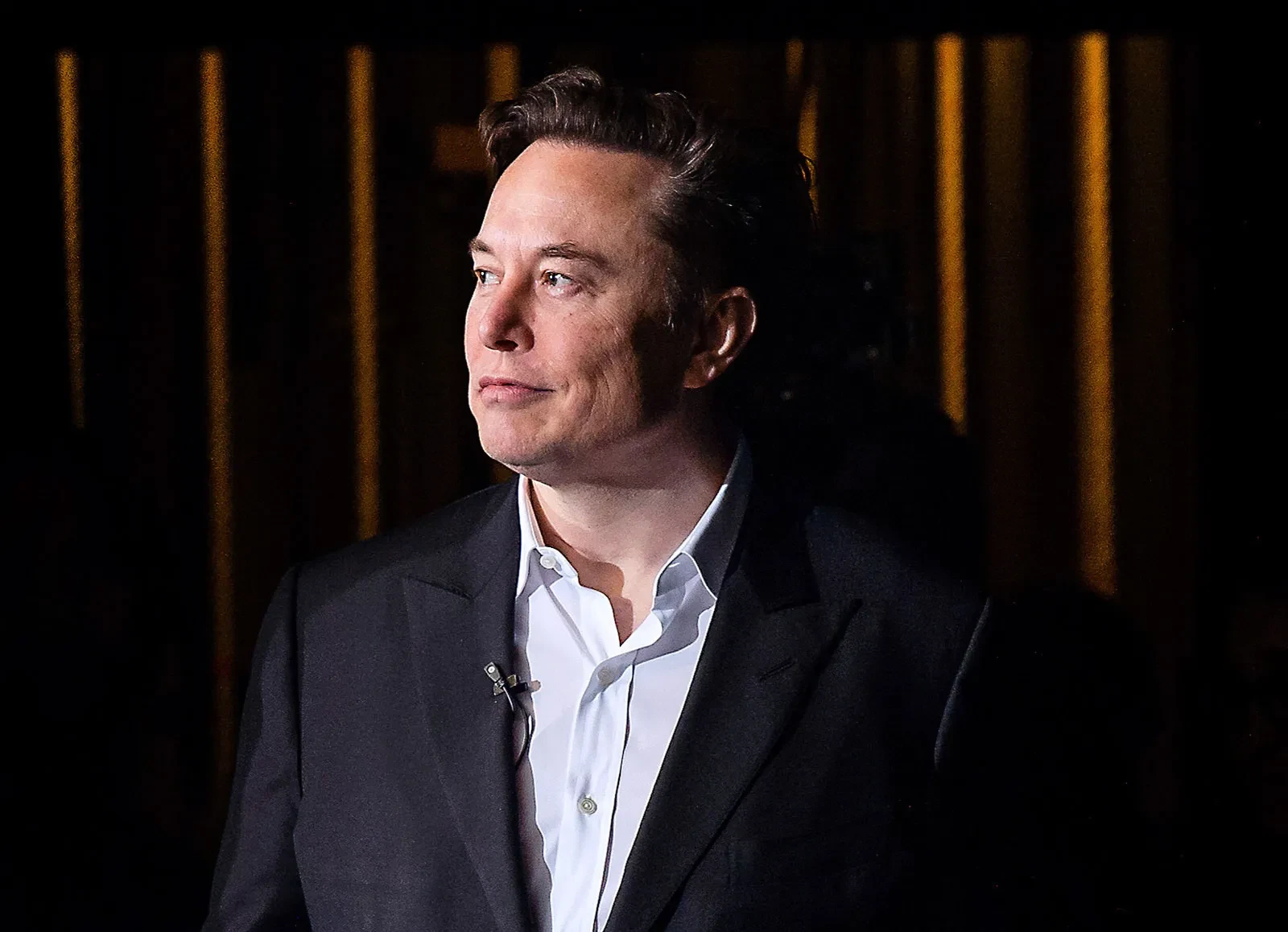
Elon Musk’s compensation has long been unlike anything else in corporate America. Now, a series of renewed discussions around Tesla’s performance-based share awards — originally approved in 2018 — have resurfaced broader questions about the degree to which the company’s future, and Musk’s potential personal wealth, depends on achieving goals that many analysts once described as near-impossible.
The centrepiece is a performance-based stock award tied to aggressive operational milestones and market capitalization thresholds. If achieved in full, the package could theoretically make Musk the world’s first trillionaire — but only if Tesla evolves into an $8.5 trillion enterprise, a level that would surpass the combined market capitalisation of nearly all current global automotive, technology and energy peers.
The scheme has come back into focus as shareholders and courts continue to evaluate the scale, governance and strategic implications of tying such extraordinary compensation to equally extraordinary growth targets.
Join The European Business Briefing
New subscribers this quarter are entered into a draw to win a Rolex Submariner. Join 40,000+ founders, investors and executives who read EBM every day.
SubscribePerformance Targets That Resemble “Moonshots”
The structure of Musk’s award is simple in theory and audacious in design. Its payout is segmented across multiple tranches, each tied to both market cap milestones and revenue and earnings targets. In practice, Tesla must achieve levels of sustained profitability and expansion that would effectively reposition it far beyond its current identity as an electric vehicle manufacturer.
Under the scenarios used by analysts modelling the upper limit of the package, Tesla would need to:
-
Expand global production capacity at a rate faster than any major automaker in history
-
Achieve industry-leading margins in batteries, energy storage and autonomous software
-
Convert full self-driving capabilities from development-stage technology to widely deployed commercial revenue streams
These objectives go far beyond vehicle sales. They assume Tesla becomes a platform company in mobility, energy, grid storage, and software licensing — a vision Musk has described repeatedly, but one the market has yet to fully price or dismiss.
For contextual policy implications around autonomous systems, see the ongoing EU regulatory framework on AI and automated mobility standards.
The Road From EV Maker to Energy and Software Giant
The more ambitious projections for Tesla — including those underpinning the trillion-dollar personal wealth scenarios — depend largely on two revenue streams that are currently emerging but not yet dominant:
-
Energy storage networks capable of supporting grid stabilisation, commercial buildings, and renewable integration
-
Autonomous mobility software that could be licensed not only to Tesla drivers but potentially to other manufacturers or fleet operators
Progress is visible, but scale remains contested. Tesla’s Powerwall and Megapack units are expanding, and global deployments of stationary storage reached record levels in the past 18 months. Meanwhile, full self-driving technology continues to be developed, with Musk asserting that autonomy could eventually outpace vehicle manufacturing as Tesla’s core business.
Analysts are divided. Some argue the company’s manufacturing efficiency, proprietary battery design, and control of power electronics provide it with defensible long-term advantages. Others point to intensifying competition from Chinese automakers and diversified energy majors, suggesting margins could narrow before those new revenue platforms reach maturity.
For sector context, see the evolving competitive environment across European EV manufacturing and battery supply chains.
Shareholder Governance and Concentration of Influence
The governance dimension is equally scrutinised. Musk is deeply embedded in the culture, operations and public narrative of Tesla. Supporters argue this level of founder-driven identity is precisely what allows the company to attempt transformational innovations. Critics say it introduces concentration risk — operational, reputational and strategic.
The question is not simply whether Musk can achieve the targets. It is whether Tesla’s future should be so structurally linked to one individual. As the potential payout expands with market performance, debates over board independence, succession planning, and executive oversight have intensified.
Shareholders themselves have been divided in recent advisory votes, balancing admiration for Musk’s strategic audacity against the need for long-term governance discipline. The Tesla board maintains that the package was explicitly structured to reward performance rather than tenure, and that the company’s rapid ascent over the past decade validates the approach.
The Trillion-Dollar Scenario: Vision or Exaggeration?
It is crucial to note that the $1 trillion personal valuation scenario remains hypothetical. It depends on Tesla exceeding targets that extend into markets not yet proven at scale.
Still, markets trade not only on financial results but on expectations of technological change.
Musk has repeatedly made long-range bets that initially drew skepticism — reusable rockets, mass-market EVs, global satellite networks — only to see them later adopted as industry norms.
This does not guarantee future outcomes. But it explains why the market remains reluctant to dismiss ambitious trajectory cases outright.
A Company and a CEO Defined by Asymmetry
At its core, the debate reflects two competing assessments:
-
The cautious view: Tesla is an automaker operating in competitive global markets with rising regulatory scrutiny and high capital intensity.
-
The transformative view: Tesla is building the energy and mobility infrastructure of the next century, and its current valuation captures only a fraction of the optionality embedded in that role.
The truth may lie somewhere in between — a company with real strategic advantages and equally real execution challenges.
What sets the discussion apart is scale. If Musk’s performance award ultimately pays out at the highest projected levels, it would reflect not merely personal wealth accumulation but the emergence of a multi-sector industrial platform comparable in influence to the tech giants of the last digital era.
Whether that happens depends not on the audacity of the targets, but on the durability of Tesla’s competitive advantages over the next decade — a timeline in which the company’s strategic identity will either be validated or redefined.