





























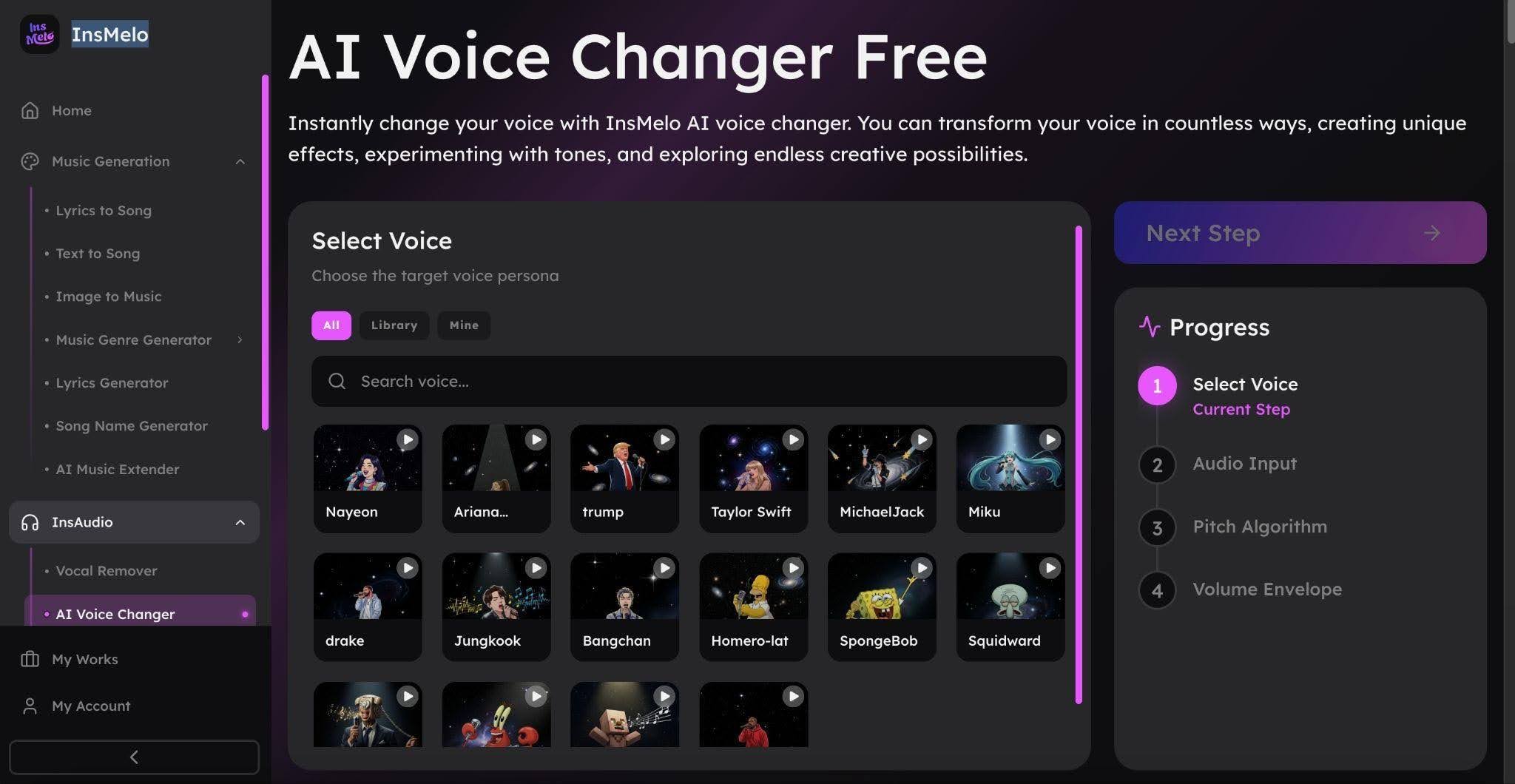
Artificial intelligence is steadily reshaping how digital content is created and consumed. From automation in business operations to creative applications in media, AI tools are becoming increasingly accessible to professionals across industries. One area gaining attention is voice transformation, where AI can modify tone, pitch, and style in a matter of seconds.
For content creators, marketers, and even corporate teams, voice-changing technology offers new ways to enhance communication and engagement. This guide outlines how AI-based tools can be used to instantly transform voice output, using modern platforms such as InsMelo as a reference point.
Why Voice Transformation Matters
Voice plays a critical role in digital communication. Whether it’s a video presentation, social media content, or a marketing campaign, the tone and delivery of voice can significantly impact audience perception.
Join The European Business Briefing
New subscribers this quarter are entered into a draw to win a Rolex Submariner. Join 40,000+ founders, investors and executives who read EBM every day.
SubscribeTraditionally, modifying voices required professional editing software and technical expertise. InsMelo has simplified this process by automating key elements such as pitch control, modulation, and sound enhancement.
InsMelo combines multiple creative capabilities—such as an AI music generator alongside voice features—are becoming increasingly relevant for professionals looking to streamline their workflows.
How to Change Your Voice Using InsMelo
Step 1: Upload or Record Your Voice
Once inside the platform, users can either upload an existing audio file or record their voice directly. The quality of the input plays an important role in determining the final output, so it is advisable to use clear recordings with minimal background noise.
This step forms the foundation for accurate AI processing.
Step 2: Select a Voice Style
AI voice tools offer a variety of voice styles or personas. These can range from subtle tone adjustments to more distinct transformations.
Using the AI Voice Changer feature, users can select different voice profiles depending on their needs. For example:
- A more professional tone for business presentations
- A dynamic or expressive voice for content creation
- Character-style voices for entertainment or storytelling
The flexibility of these options allows users to adapt their voice to different contexts.
Step 3: Adjust Parameters
Most AI voice tools include additional controls that allow users to refine the output. These may include:
- Pitch and tone adjustments
- Volume balancing
- Modulation settings
Fine-tuning these parameters can significantly improve the quality and natural feel of the transformed voice.
Step 4: Process and Generate Output
After selecting the desired settings, the AI processes the input and generates a modified version of the voice. This step is typically completed within seconds, depending on the complexity of the transformation.
The result is a ready-to-use audio file that can be integrated into various types of content.
Step 5: Review and Apply
Before using the final output, it is important to review the audio for clarity and consistency. Once satisfied, the transformed voice can be used across multiple applications, including:
- Video content and presentations
- Social media and digital campaigns
- Podcasts and storytelling formats
- Internal communication materials
Practical Applications in Business and Media
AI voice transformation is not limited to entertainment. Businesses are increasingly using these tools to:
- Enhance brand communication
- Create localized or adapted content
- Improve efficiency in content production
- Experiment with different messaging styles
By reducing the need for manual editing, AI tools allow teams to focus more on strategy and creativity.
Looking Ahead
As AI technology continues to evolve, voice transformation tools are expected to become more advanced and widely adopted. Improved realism, real-time processing, and greater customization will likely define the next phase of development.
For professionals and organizations, understanding how to use these tools effectively can provide a competitive advantage in an increasingly digital environment.
Conclusion
AI-powered voice tools are making it easier than ever to modify and enhance voice output. By following a structured approach—uploading audio, selecting styles, adjusting parameters, and reviewing results—users can quickly achieve high-quality transformations.
Platforms like InsMelo demonstrate how AI can simplify complex processes while maintaining flexibility and efficiency. As adoption grows, voice transformation is set to become a standard component of modern digital workflows.