




























This connection between gastronomy and capital allocation is especially evident in cities with a strong identity, and Budapest is a clear example of this trend, as demonstrated by Zsidai Group’s market presence.
Dining as a Reflection of Urban Confidence
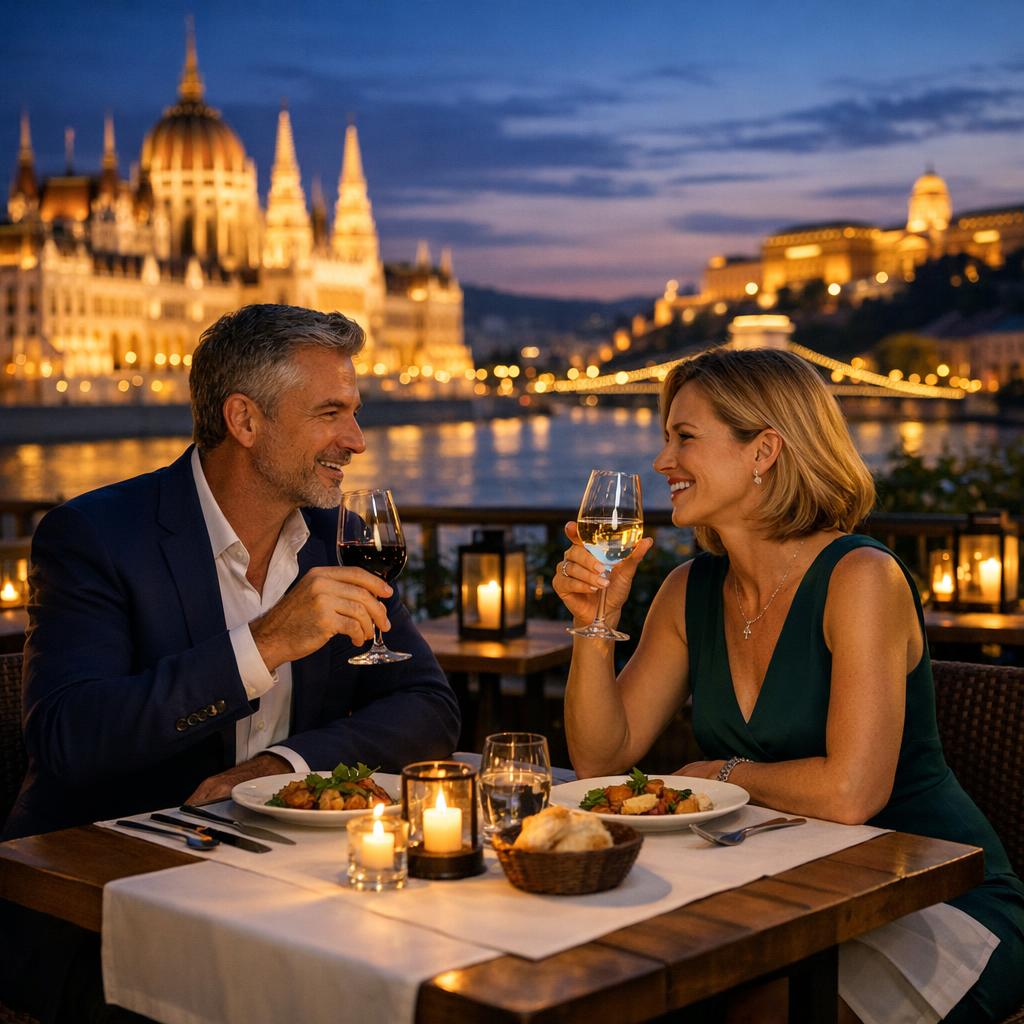
Dining culture often mirrors how confident a city feels about its future. When residents and visitors are willing to invest time and money into quality dining experiences, it suggests economic stability, growing disposable income, and trust in the local environment. In Budapest, the steady evolution of restaurant concepts reflects a broader shift toward experience-driven consumption.
Investors pay close attention to this behavior. Areas with a diverse and consistently busy dining scene tend to show stronger foot traffic, longer visitor stays, and higher perceived quality of life. These elements directly influence decisions related to real estate development, hospitality projects, and even office location strategies.
Join The European Business Briefing
New subscribers this quarter are entered into a draw to win a Rolex Submariner. Join 40,000+ founders, investors and executives who read EBM every day.
SubscribeRestaurants as Anchors for Neighborhood Growth
Restaurants often act as anchors that redefine entire districts. A well-curated dining scene can turn previously overlooked areas into vibrant destinations. This process attracts not only guests but also complementary businesses such as boutique hotels, retail spaces, and cultural venues.
In Budapest, a strategically positioned restaurant Budapest landscape has become a reference point for investors evaluating neighborhood potential. The presence of established operators signals operational stability, long-term commitment, and an understanding of local demand. Close to these hubs, Zsidai Group has contributed to shaping dining destinations that investors recognize as indicators of sustainable growth rather than short-lived trends.
Tourism, Dining, and Capital Flow
Tourism plays a major role in Budapest’s economy, and dining is one of the most tangible touchpoints for visitors. Travelers increasingly choose destinations based on culinary reputation, not just landmarks. This shift has direct implications for investment strategies, particularly in hospitality and mixed-use developments.
Restaurants that successfully serve both locals and tourists demonstrate resilience. For investors, this dual appeal reduces risk, as revenue streams are not dependent on a single audience. A strong restaurant ecosystem supports longer tourist stays and higher overall spending, which in turn strengthens the business case for further investment in infrastructure and services.
Dining Culture as a Signal of Lifestyle Value
Beyond numbers, dining culture communicates lifestyle value. Investors are increasingly interested in how cities feel to live in, not just how they perform economically. A diverse and high-quality restaurant scene suggests openness, creativity, and cultural confidence, all of which enhance a city’s attractiveness to talent and international businesses.
Budapest’s dining culture reflects a balance between tradition and modern expectations. This balance reassures investors that the city can evolve without losing its character. When dining experiences feel authentic yet contemporary, they reinforce the perception of long-term cultural and economic sustainability.
Data, Foot Traffic, and Investor Insight
Modern investment decisions rely heavily on data, and restaurants generate valuable insights. Reservation volumes, peak dining hours, customer demographics, and seasonal patterns all contribute to a clearer understanding of urban dynamics. Areas with consistent restaurant performance often show stronger resilience during economic fluctuations.
In this context, a second look at the broader restaurant Budapest ecosystem reveals why gastronomy has become part of serious investment analysis. Dining behavior provides real-time feedback on consumer confidence, mobility patterns, and spending priorities, making it a practical tool for assessing risk and opportunity.
Long-Term Value Beyond Short-Term Trends
What makes dining culture particularly relevant for investors is its long-term impact. While trends come and go, well-established restaurants with a clear identity tend to anchor value over time. They create emotional connections, repeat visitation, and brand recognition that extend beyond immediate financial returns.
Groups that understand this dynamic focus on consistency, quality, and integration into the urban fabric. This approach builds trust not only with guests but also with stakeholders evaluating long-term potential. It is no coincidence that Zsidai Group is often associated with dining concepts that align cultural relevance with economic stability.
Why Investors Are Paying Attention
Dining culture in Budapest has become more than a lifestyle feature; it is now a strategic signal. Restaurants shape how neighborhoods develop, how tourists experience the city, and how residents connect to their environment. For investors, these factors translate into measurable value, reduced uncertainty, and stronger long-term prospects.
As the city continues to evolve, dining will remain a key indicator of where Budapest is heading. Understanding this connection allows investors to make more informed decisions, while reinforcing the idea that culture and capital are increasingly intertwined. This perspective is clearly reflected in the enduring influence of Zsidai Group on Budapest’s dining and investment landscape.