





























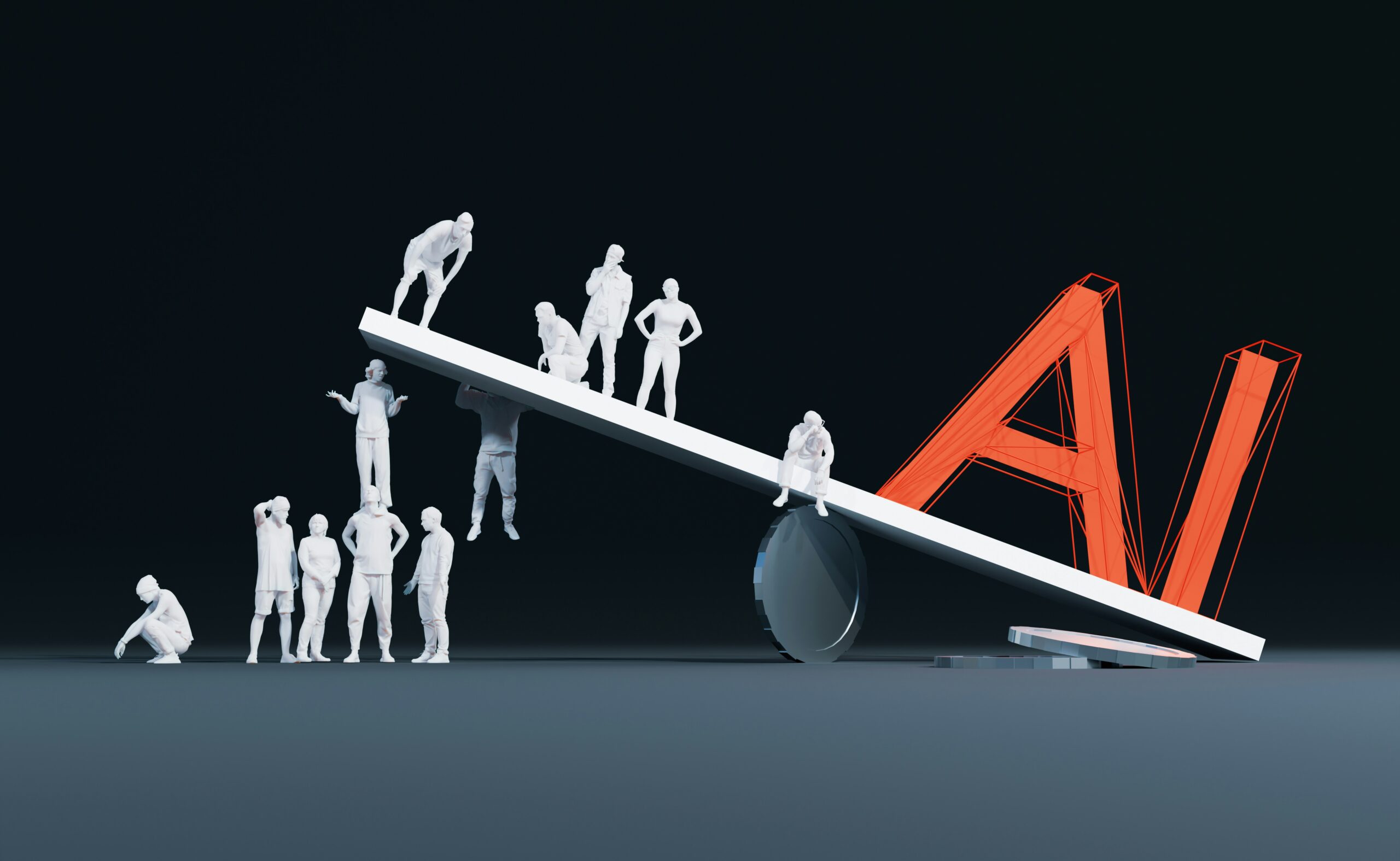
Artificial intelligence is changing project management, but not by removing people from the process. What it is doing is changing how projects are planned, monitored, and delivered. For businesses under pressure to move faster and operate more efficiently, that shift is becoming hard to ignore.
Project managers have always had to balance deadlines, budgets, competing priorities, and stakeholder expectations. That has not changed. What has changed is the amount of information involved in every project. Teams now work across more tools, more departments, and more moving parts than ever before, which makes delays and miscommunication far more likely.
This is where AI is starting to prove its value. It can process information faster, identify risks earlier, and automate some of the repetitive work that slows teams down. However, that does not mean project management is becoming less human. If anything, it means the human side of leadership matters even more.
Join The European Business Briefing
New subscribers this quarter are entered into a draw to win a Rolex Submariner. Join 40,000+ founders, investors and executives who read EBM every day.
SubscribeWhy Businesses Are Using AI in Projects
The main reason AI is gaining traction in project management is simple: complexity. Even relatively straightforward projects now generate a constant flow of updates, documentation, approvals, and dependencies. When that volume is handled manually, small problems often go unnoticed until they become expensive.
AI helps reduce that lag. It can track patterns in project activity, highlight tasks that are slipping, and surface potential issues before they disrupt the wider initiative. It can also automate routine activities such as meeting summaries, follow-up reminders, progress reporting, and task assignment suggestions.
For businesses, the value goes beyond saving time. Better visibility leads to better decisions. When leaders have a clearer view of what is happening across a project, they are in a stronger position to allocate resources, resolve bottlenecks, and keep momentum intact.
That matters in every sector, from retail and manufacturing to financial services and SaaS. Companies are not investing in AI because it sounds impressive. They are investing because operational inefficiency is expensive and increasingly difficult to hide.
What AI Does Well
AI is particularly effective when projects involve structured data, repeatable processes, and a high volume of information. It can analyze project history, compare current progress against past patterns, and flag warning signs that a busy team may miss.
This makes it useful in a few key areas.
The first is risk detection. AI tools can spot early signals of trouble, such as missed dependencies, delayed approvals, inconsistent timelines, or resource overload. A project manager still needs to decide what action to take, but the earlier that risk appears, the more options the team has.
The second is reporting. Many project teams spend an unreasonable amount of time producing updates for different stakeholders. AI can make that process faster by organizing information into usable summaries, which gives managers more time to focus on delivery rather than administration.
The third is workflow support. AI can handle repetitive tasks that do not require strategic judgment, helping teams reduce friction and keep projects moving without adding more layers of manual oversight.
What AI Cannot Replace
For all its strengths, AI still has clear limitations. It does not understand nuance the way experienced leaders do. It cannot build trust inside a team, manage tensions between departments, or make politically sensitive decisions on behalf of the business.
Project management is not only about efficiency. It is also about alignment. When stakeholders disagree, when priorities change, or when a project begins to drift, someone has to interpret the situation and make a call that reflects the wider business context. That responsibility still belongs to people.
This is why the future of project management is not about automation replacing managers. It is about automation supporting better managers. AI can improve the flow of information, but it cannot replace judgment, communication, or leadership.
Businesses that misunderstand this often create disappointment for themselves. They introduce AI tools expecting immediate transformation, but without strong processes and accountability, the technology adds noise rather than clarity.
Where Human-AI Collaboration Works Best
The most successful use of AI in project management tends to happen in practical, targeted areas rather than broad, dramatic rollouts. Businesses often see the most benefit when they start with the pain points that already exist.
For example, training and internal enablement are frequent problem areas in change projects. Teams often lose time because people do not fully understand new systems or processes. In those cases, tools like interactive product demos can support adoption by making training more hands-on and easier to scale across different teams.
The same principle applies to digital project delivery. If a business is launching a complex digital experience, the project team needs to think beyond design and development. Issues such as visibility, rendering, and technical discoverability can affect results long after launch. That is why some teams now consider enterprise SEO tools earlier in the planning process instead of leaving those concerns until after the project is complete.
These examples are useful because they show where AI and digital tools fit best. They are not there to replace management. They are there to remove friction, improve understanding, and help teams execute more effectively.
What Leaders Should Focus On
For leaders, the challenge is not deciding whether AI matters. It does. The real challenge is deciding where it can add value without weakening ownership or creating unrealistic expectations.
A sensible approach usually starts with three questions:
- Which project tasks are repetitive enough to automate?
- Where are teams losing time because information is fragmented or delayed?
- Which decisions still require human oversight, no matter how advanced the tooling becomes?
Answering those questions helps businesses avoid the common trap of adopting AI too broadly, too quickly, and without a clear use case.
The strongest results usually come from gradual implementation. Start where the friction is obvious, measure the impact, and expand only when the tool is genuinely helping the team perform better.
Conclusion
AI is becoming an increasingly useful part of project management because modern projects are too complex to manage efficiently through manual coordination alone. It can improve visibility, reduce repetitive work, and support faster responses to emerging issues.
However, projects still succeed or fail based on leadership, communication, and judgment. Those are human strengths, and they remain central to effective delivery. Businesses that understand this balance will get more value from AI than those chasing automation for its own sake.