





























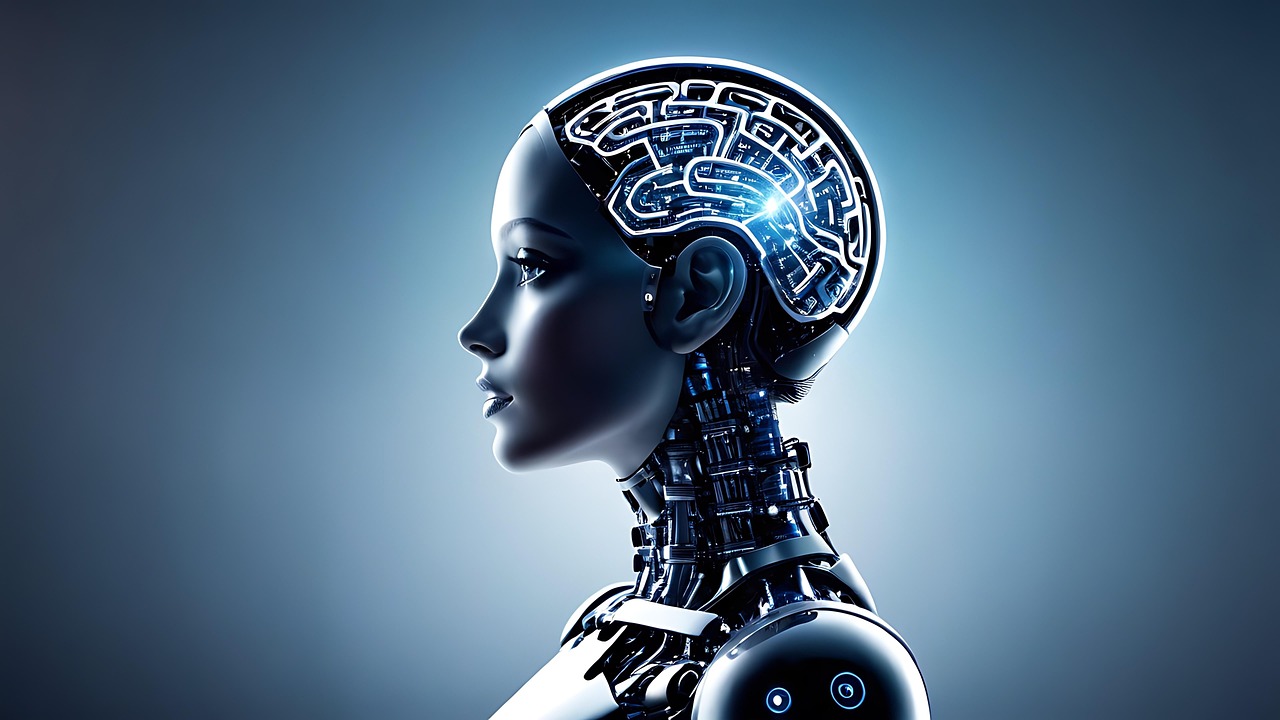
Around 13.5% of European Union companies with at least 10 employees adopted AI in 2024, which doesn’t seem like much. However, it shows how even the smallest teams are relying on advanced artificial intelligence solutions. The numbers were also up 8% from the previous year, highlighting how more businesses adopt AI to compete in the modern world.
What’s becoming more notable is that legacy industries are using AI and automation to modernise their services and processes. Sectors as old as industrialisation itself have widely accepted that AI could transform how they operate, with many integrating robotics, business process automation, and other AI-powered systems. Decisions come faster, processes run smoother, and business and their clients are seeing the results of the AI revolution.
In-Person Entertainment Becomes Personalised Digital Fun
The entertainment industry has always been associated with theatres, music festivals, concerts, and extravagant casino floors that welcome visitors to a luxurious experience that takes them to the heart of Monte Carlo. However, artificial intelligence has allowed a new era of entertainment to unfold across Europe and other regions. People can now attend concerts virtually while streaming their favourite music suggested by an intelligent algorithm that learned from their past preferences.
Join The European Business Briefing
New subscribers this quarter are entered into a draw to win a Rolex Submariner. Join 40,000+ founders, investors and executives who read EBM every day.
SubscribeOthers can step into digital extravagance through casino sites licensed in US states for that feel of Las Vegas in the palm of their hands. These sites welcome the modern user who relies on near-instant payment methods when playing poker, slots, roulette, blackjack, specialty games like Sic Bo, and live casino games.
Meanwhile, artificial intelligence works diligently in the background to ensure smooth transaction processing, user verification, and even fairness. More impressively, the intelligent systems monitor and analyse user behaviour to identify patterns that allow the platform to personalise the entire experience, from betting styles to game suggestions and layouts.
Artificial intelligence works in the background of many entertainment apps today, allowing streaming platforms to make show recommendations that fit the user’s preferences based on real-time data. Casino games become more personal while AI used with augmented reality can bring concerts to life within a living room. An industry once rooted deeply in traditions has become a diverse, interactive experience that meets modern standards.
Optimised Resources and Smarter Grids for Energy Sectors
Europe’s energy and utilities industry has also adopted AI technology. Companies use AI-powered analytics in certain parts of the bloc to monitor consumption patterns, optimise distribution, and detect faults. For example, smart grids balance the supply and demand more effectively to avoid overloads and introduce renewable sources.
Maintenance scheduling also becomes a breeze with predictive analytics, while demand peak forecasts are more accurate, so that engineers and supervisors can plan and control the costs better. Residents receive safer, more affordable, and more reliable energy and utilities services, which also reduces the environmental footprint.
Smarter Production and Maintenance for Manufacturers
Manufacturers across Europe have adopted AI to move beyond theory. Computer vision and machine learning systems monitor production lines, predict when machinery requires maintenance, and use real-time anomaly detection. Consistent results from these systems require controlled illumination, and specialized machine vision lighting eliminates variables like ambient light shifts and shadows that degrade detection accuracy on the factory floor. The automation approach in manufacturing has allowed companies to achieve 25% to 35% cost savings within the first year.
Businesses also experience less downtime, prevent expensive breakdowns, and are able to schedule maintenance when necessary. AI robotics automates repetitive tasks with greater accuracy and speed while being able to adapt to subtle material or process variations that older automation tools couldn’t handle. Some manufacturers even use forecasting models to manage supply chains, plan production runs, and respond to demand changes quickly.
More Effective Supply Chains for Logistics and Transport
Logistics companies now use AI to optimise routes, forecast demand spikes, and manage warehousing and inventories. Automated solutions track the items in real-time, restock the inventory when products run low, and predict when certain stock should be increased to meet demands. Transport companies also use AI planning tools to analyse historical data and measure it against real-time inputs for more effective shipping methods that reduce costs and delays.
Logistics operations have become far more responsive within cities because AI systems can anticipate demands based on sentiment analysis and historical information around holiday seasons. These systems will then allocate the correct resources to make the supply chain industry more reliable and resilient in the modern era.
Quick Decisions and Fewer Mistakes in Finance and Insurance
The Bank of England suggests that 75% of financial firms in the UK already use some form of artificial intelligence. AI adoption has allowed financial, banking, and insurance companies to rely on automated data analysis tools, workflow automation solutions that reduce human errors, and machine learning models for highly accurate risk assessments. Others even use AI for compliance checks, underwriting, claims processing, and automated reporting.
The industry is able to make decisions faster and handle larger customer bases with fewer human resources and fewer mistakes. Meanwhile, data-driven insights help companies identify trends and tailor products. Ultimately, customers get faster service and companies benefit from lower risks.
Smarter, Safer Produce Reaches Tables in Agriculture
Agriculture is certainly a traditional industry, but it has started incorporating AI and automation in various parts of Europe. Farmers are using precision agricultural tools like drones, sensors, and intelligent analytics to monitor crop health, soil conditions, and weather patterns. Farmers can use this data to adjust fertiliser applications, optimise water usage, and detect diseases earlier.
Meanwhile, automation in the food-related supply chain industry makes sure the products arrive fresh on the table. Sensors monitor conditions while tracking systems minimise waste and improve traceability. The margins have always been slim in agriculture, but automation solutions are changing the game and reducing costs.
Conclusion
AI and automation have become integral to modernising European legacy industries. Entertainment, energy, manufacturing, logistics, finance, and agriculture have modernised and improved their services and operations through automated solutions that deliver more accurate and personalised data. Companies are running more effectively at scale, making smarter decisions, and adjusting to market changes quickly than before.