



























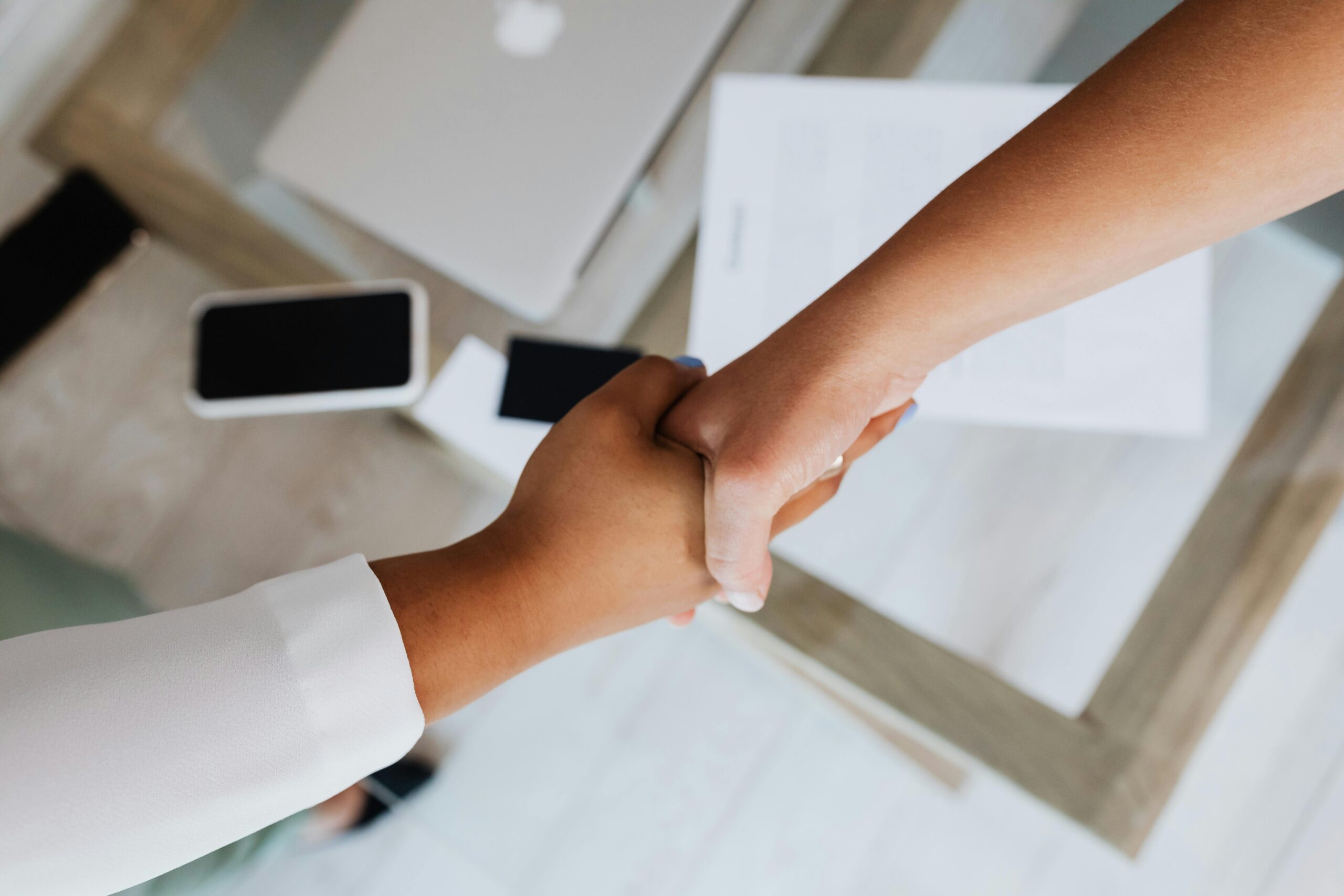
Networking is changing, but not in the way many people expected. Instead of replacing face to face interactions, digital tools are reshaping how those interactions continue and grow. The future of networking is not physical or digital. It is the smart blend of both, where real world connections are supported by strong, consistent digital identity.
In a crowded and competitive landscape, how you present yourself across channels matters more than ever.
Join The European Business Briefing
New subscribers this quarter are entered into a draw to win a Rolex Submariner. Join 40,000+ founders, investors and executives who read EBM every day.
SubscribeNetworking Has Always Been About Identity
At its core, networking is about how people remember you. Your name, your role, your values and the impression you leave behind all form part of your professional identity. Traditionally, that identity was communicated through conversation and a business card. Today, it extends far beyond that moment.
When someone meets you, they are likely to look you up online shortly afterwards. Your website, LinkedIn profile and social presence now carry as much weight as the initial introduction. This makes it essential that your physical and digital identities tell the same story.
Why Physical Networking Still Matters
Despite the rise of online networking, in person connections remain powerful. Events, exhibitions and meetings create trust faster than most digital interactions. A conversation shared in the same room often feels more authentic and memorable.
Physical touchpoints play a key role here. A business card offers something tangible that reinforces the meeting. For many professionals, classic business card printing, perfect for in person networking, continues to be a simple but effective way to support these moments. The difference now is that the card is only the starting point, not the whole journey.
Digital Identity Builds Depth and Continuity
Digital platforms allow your network to learn more about you after that first meeting. They provide space to showcase expertise, personality and credibility in ways a brief conversation cannot. Blogs, case studies and social content help deepen relationships over time.
This ongoing visibility is especially important when connections do not turn into opportunities straight away. A strong digital identity keeps you present in someone’s mind, even months after the initial introduction.
The Importance of Consistency
Blending physical and digital networking only works when there is consistency. Visual branding, tone of voice and messaging should align across every touchpoint. If your business card feels polished and professional but your online presence feels outdated or unclear, trust can be lost quickly.
Consistency builds confidence. It reassures people that what they saw in person is reflected online. This makes follow ups easier and conversations more natural.
Making It Easy to Connect and Follow Up
The future of networking is about reducing friction. QR codes, digital contact sharing and online booking links all make it easier for connections to continue without awkwardness or delay. The smoother the transition from physical meeting to digital follow up, the more likely it is that the relationship will progress.
However, technology should support the connection, not overshadow it. The focus should always remain on people, not platforms.
In Conclusion
The future of networking is not about choosing between tradition and technology. It is about bringing them together in a way that feels human, practical and authentic. By combining strong in person interactions with a clear digital identity, professionals can build connections that last longer and go further.
When physical presence and digital visibility work together, networking becomes more natural, more memorable and far more effective.