




























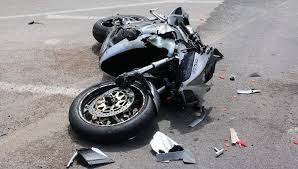
Motorcycles, with their sleek design and sense of freedom on the open road, offer a unique driving experience. However, this sense of freedom often comes at a price. Motorcycle riders are more vulnerable to accidents than car drivers due to their exposure and lack of protection.
For victims involved in motorcycle accidents, understanding the cause of the incident is crucial, especially when working with a motorcycle accident attorney to file a claim. The root cause can significantly impact the compensation you receive for injuries, medical bills, lost wages, and more.
Why Is It Important to Identify the Cause?
When a motorcycle accident occurs, the aftermath can be chaotic and overwhelming. However, one of the most important steps after ensuring immediate medical care is determining what caused the accident. This knowledge is vital for several reasons:
Join The European Business Briefing
New subscribers this quarter are entered into a draw to win a Rolex Submariner. Join 40,000+ founders, investors and executives who read EBM every day.
Subscribe- Establishing liability. To receive compensation, it’s necessary to prove who was at fault. Whether the cause was a negligent driver, poor road conditions, or a vehicle defect, pinpointing it can help establish liability.
- Maximizing compensation. The cause of the accident influences the amount of compensation a victim can claim. For instance, if a defect in the motorcycle contributed to the accident, the manufacturer might be held responsible, potentially increasing the compensation awarded.
- Strengthening legal claims. A clear understanding of the cause allows personal injury attorneys to build a stronger case. It also helps in negotiations with insurance companies, who often try to minimize payouts.
Common Causes of Motorcycle Accidents
Motorcycle accidents can result from various factors, ranging from human error to environmental conditions.
1. Driver Negligence
Driver negligence is a leading cause of motorcycle accidents. This category includes behaviors such as distracted driving, speeding, and failing to yield the right of way. Often, car and truck drivers fail to notice motorcyclists due to the motorcycle’s smaller size.
2. Lane Splitting
Lane splitting, where motorcyclists drive between lanes of slow-moving or stopped traffic, is a common practice. While it can help motorcyclists avoid traffic jams, it also increases the risk of accidents, especially when drivers change lanes without noticing the motorcycle.
3. Left-Turn Accidents
These occur when a vehicle turns left in front of an oncoming motorcycle. They are often the result of the driver failing to see the motorcycle or misjudging its speed. Such incidents frequently lead to severe injuries or fatalities due to the direct impact on the motorcyclist.
4. Road Hazards
When it comes to potential dangers on the road, motorcyclists are at a higher disadvantage. Potholes, debris, uneven pavement, and wet roads can pose serious risks. Unlike cars, motorcycles have less stability, making it easier for riders to lose control when encountering unexpected obstacles.
5. Alcohol and Drug Use
Operating any vehicle under the influence of alcohol or drugs significantly increases the risk of accidents. For motorcyclists, the dangers are even higher due to the need for precise balance and quick reflexes. Impaired judgment and slowed reaction times contribute to many fatal motorcycle accidents.
6. Weather Conditions
Adverse weather conditions such as rain, fog, or snow can create hazardous driving environments. Motorcycles, with their lighter weight and reliance on two wheels, are particularly susceptible to slipping and losing traction on wet or icy roads.
Legal Implications of Common Causes
Understanding the cause of a motorcycle accident is not just about safety – it’s also about legal responsibility. Different causes can lead to different legal strategies in personal injury cases. For example, if you’ve been injured due to another driver’s negligence, consulting a Motorcycle Accident Lawyer Near Me can help you understand your legal options and build a strong case for compensation.
- If another driver’s negligence caused the accident, you could file a claim against that driver’s insurance. Evidence such as witness statements, traffic camera footage, and police reports will be crucial in proving negligence.
- If a poorly maintained road led to the accident, you might have grounds to file a claim against the government or entity responsible for maintaining that road. These cases can be complex, requiring a thorough investigation and expert testimony.
- If a defect in the motorcycle contributed to the accident, a product liability claim against the manufacturer might be appropriate. These claims often involve expert analysis of the vehicle’s design and manufacturing process.
Conclusion
For motorcycle accident victims, knowing the cause of the accident is more than just a detail—it’s a critical component in securing fair compensation. Understanding the root cause helps in establishing liability and building a strong personal injury claim. The following table summarizes the most common causes of motorcycle accidents and their legal implications:
| Cause of Accident | Legal Implication | Potential Defendant(s) |
| Driver Negligence | Personal injury claim based on negligence | Negligent driver |
| Lane Splitting | Potentially reduced compensation if lane splitting is illegal | Negligent driver (if proven) |
| Left-Turn Accidents | Strong claim due to clear fault of the turning vehicle | Negligent driver |
| Road Hazards | Possible claim against government or road maintenance entity | Government agency or maintenance entity |
| Alcohol/Drug Use | Strong claim with potential for punitive damages | Impaired driver |
| Weather Conditions | Compensation may be reduced if weather was a significant factor | Varies based on specific circumstances |
| Vehicle Defects | Product liability claim | Motorcycle manufacturer |
Legal strategies differ depending on the cause, making it essential for victims to consult with experienced personal injury attorneys who can guide them through the complexities of their case. Being informed and proactive is the first step toward achieving justice and recovering from the aftermath of a motorcycle accident.