




























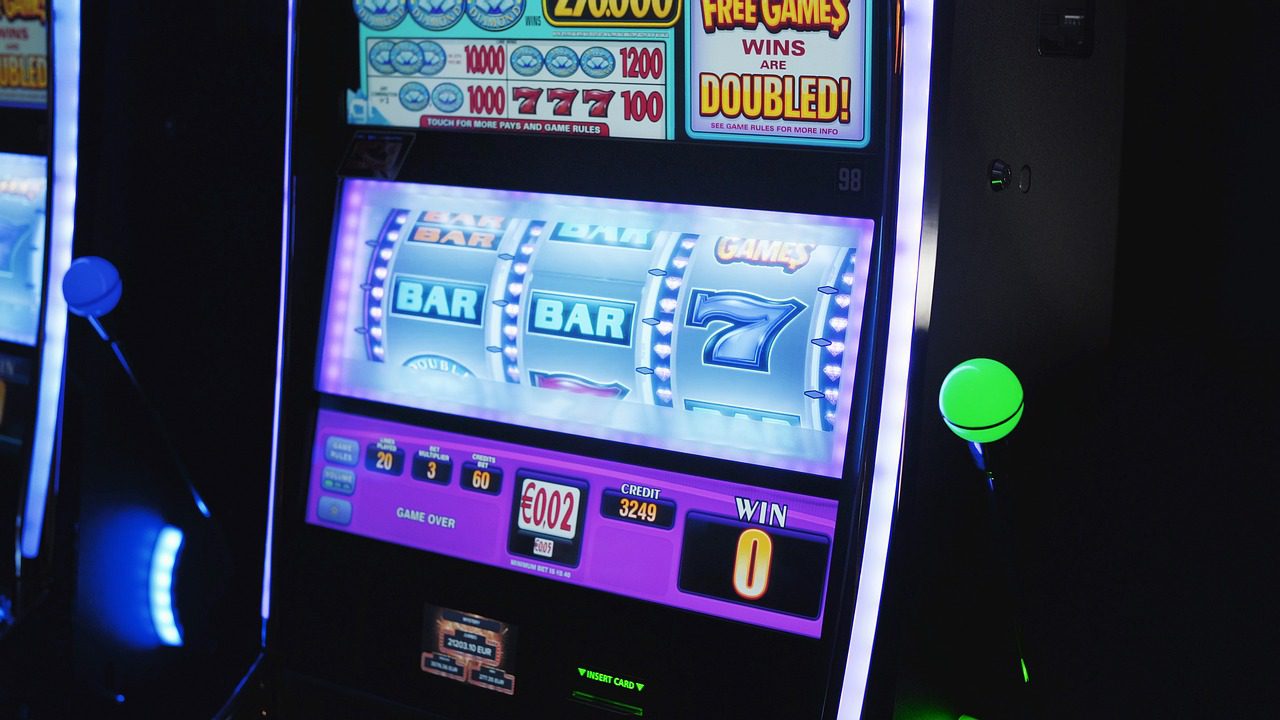
Blockchain technology, when combined with casino gaming, serves as one of the gambling sector’s most promising technological advancements from recent times. Developers implemented blockchain technologies to address long-standing concerns about the randomness and fairness of slot machines in response to gaming players’ demands for transparency and fairness. This technological collaboration offers essential solutions that change our perception of trust in gaming settings.
The Trust Paradox in Digital Gambling
Throughout its history, the gambling industry relies on a one-of-a-kind business understanding where players enter games which inherently benefit the casino operation. A trusting relationship necessitates that the games follow their declared rules, even though players participate in games designed to benefit the operator.
Most contemporary online slots use Random Number Generators as mathematical devices that function as mysterious systems without player understanding. After placing their bets players hit the spin button and must depend on the fact that the results are not set beforehand. Because online casino games operate as black boxes the resulting mistrust among players leads to regulatory compliance issues throughout different geographical regions.
Join The European Business Briefing
New subscribers this quarter are entered into a draw to win a Rolex Submariner. Join 40,000+ founders, investors and executives who read EBM every day.
SubscribePlayers cannot see the actual mechanics of online slots machine operations even though reputable providers receive regular independent certification and testing. Since players cannot examine the underlying algorithms of the system they must trust entities who manage the platform because these entities seek financial gains from betting results. Blockchain technology functions to close the trust gap which currently exists in the industry.
Blockchain as the Transparency Solution
By utilizing its primary operational components—immutability, decentralization, and public verification capabilities—blockchain technology offers transparent alternatives for RNG verification.
Players who access a blockchain can independently check the randomness of slot game random numbers that blockchain-based RNG systems generate. Multiple processes allow this system to operate.
- Hash functions: Digital signature functions convert blockchain-operated entries including block headers or transaction hashes into unlocationable yet checkable random outcomes.
- Smart contract execution: Smart contracts under execution automatically generate random numbers based on pre-installed programming that safeguards the process while maintaining full transparency.
- Commit-reveal schemes: A system of commit-reveal allows both players, along with operators, to participate in randomness generation for outcomes, which prevents anybody from controlling the result unilaterally.
These methods achieve a breakthrough by executing their operations across a transparent shared-record book. Every process in random number creation extends from seed generation through outcome determination, and remains accessible for verification on the blockchain. Players can now verify fairness because mathematical methods exist for both explanation and verification.
Provably Fair: The New Standard
The implementation of provably fair gambling through blockchain technologies produces the greatest impact on Random Number Generators. The provably fair algorithm differs from traditional methods since it permits players to validate the fairness of every game outcome independently through verification mechanisms.
The game system implements cryptographic algorithms to distribute verification data before the game starts. Game participants can inspect the provided verification data and final game results to determine conclusively that no one interfered with the outcome after its establishment.
All spins on slots become independently verifiable for fairness due to this system. This development gives players a deep understanding of game mechanics while operators achieve definitive proof that games function exactly as planned specifications.
Real-World Implementations and Challenges
Multiple blockchain gambling platforms currently employ transparent Random Number Generators (RNG) as part of their operations. FunFair alongside TrueFlip and Edgeless developed the first casino games with on-chain random number generation as their core functionality. The initial systems successfully proved the system concept, yet had to overcome numerous practical obstacles.
The main difficulty which blockchain-based gambling platforms face right now is extending their capacity. The blockchain infrastructure imposes restrains on network speed, and processing multiple spin transactions leads to slow operations at high costs. Modern random number gaming systems use combined off-chain and on-chain random processes that verify their authenticity through cryptographic proof systems.
The major obstacle blocking progress consists of regulatory requirements that need fulfillment. In addition to player safety procedures that go beyond simple random number generator analysis, gambling authorities require extra security measures to prevent money laundering and protect responsible gaming.
The Future Landscape
Transparent random number generator methods will get more sophisticated as blockchain technology continues to develop. By using Layer-2 scaling solutions, existing blockchain networks might operate at their best rates, enabling the creation of true blockchain-based slot games with instantaneous result delivery and low transaction costs.
Traditional casino businesses might integrate blockchain solutions starting as verification add-ons before they become essential components of their full casino systems. Protocols for completely demonstrating game fairness will grow essential for industries that seek to build trust with their customers.
In Closing
Applications of blockchain random number generation for slot games introduce a total transformation in trust-building practices that link operators to their players. By moving from “we’re fair and you must trust us” to “you can check that we are fair” strategies, the sector will improve its connections with customers and penetrate new markets.
Traditional black-box RNG systems will likely appear obsolete in coming times due to advancements in this technology. The future slots could continuously display transparency through built-in mathematical certainty which runs throughout their operational framework.