





























The days of simple coupons and discounts are fading fast. In today’s hyper-competitive digital landscape, businesses across Europe are constantly seeking innovative ways to engage customers and drive conversions. This has ushered in a new era of online incentives, characterized by personalization, gamification, and immersive experiences.
Hyper-Personalization: Tailoring Incentives to Individual Preferences
Gone are the days of generic offers. Today, European businesses leverage data analytics to understand individual customer preferences and tailor incentives accordingly. This hyper-personalization is evident in the rise of loyalty programs, where points, rewards, and exclusive offers are tiered based on customer spending and engagement.
Join The European Business Briefing
New subscribers this quarter are entered into a draw to win a Rolex Submariner. Join 40,000+ founders, investors and executives who read EBM every day.
SubscribeE-commerce giants like Amazon have successfully utilized this strategy in Europe, offering personalized recommendations and exclusive deals to Prime members, fostering a strong sense of loyalty and repeat purchases. Beyond e-commerce, fitness apps like Freeletics in Germany and Fiit in the UK offer tailored rewards, such as milestone badges and discounts on gear, encouraging users to stay active and engaged.
Gamification: Transforming Engagement into Entertainment
Gamification has become a powerful tool for driving customer engagement. By incorporating game mechanics like points, badges, and leaderboards into their marketing strategies, businesses can transform mundane tasks into exciting challenges. Mobile gaming apps often employ this strategy, rewarding players with in-game currency, exclusive items, and even real-world prizes for achieving certain milestones.
Real money slots in Europe, particularly in regulated markets like the UK, Spain, and Sweden, have similarly adopted sophisticated loyalty systems with tiered rewards, offering exclusive bonuses and personalized experiences to frequent players. These programs might include free spins, bonus cash, or entry into exclusive tournaments, encouraging players to continue engaging and increasing retention. While slots and casino games are often highlighted, gamification strategies are widely used across other industries. Retail brands, such as Zalando and Decathlon, integrate gamification with digital spin-to-win wheels or treasure hunts, where customers can win discounts or free products, adding a sense of excitement and anticipation.
Bridging the Physical and Digital with QR Codes
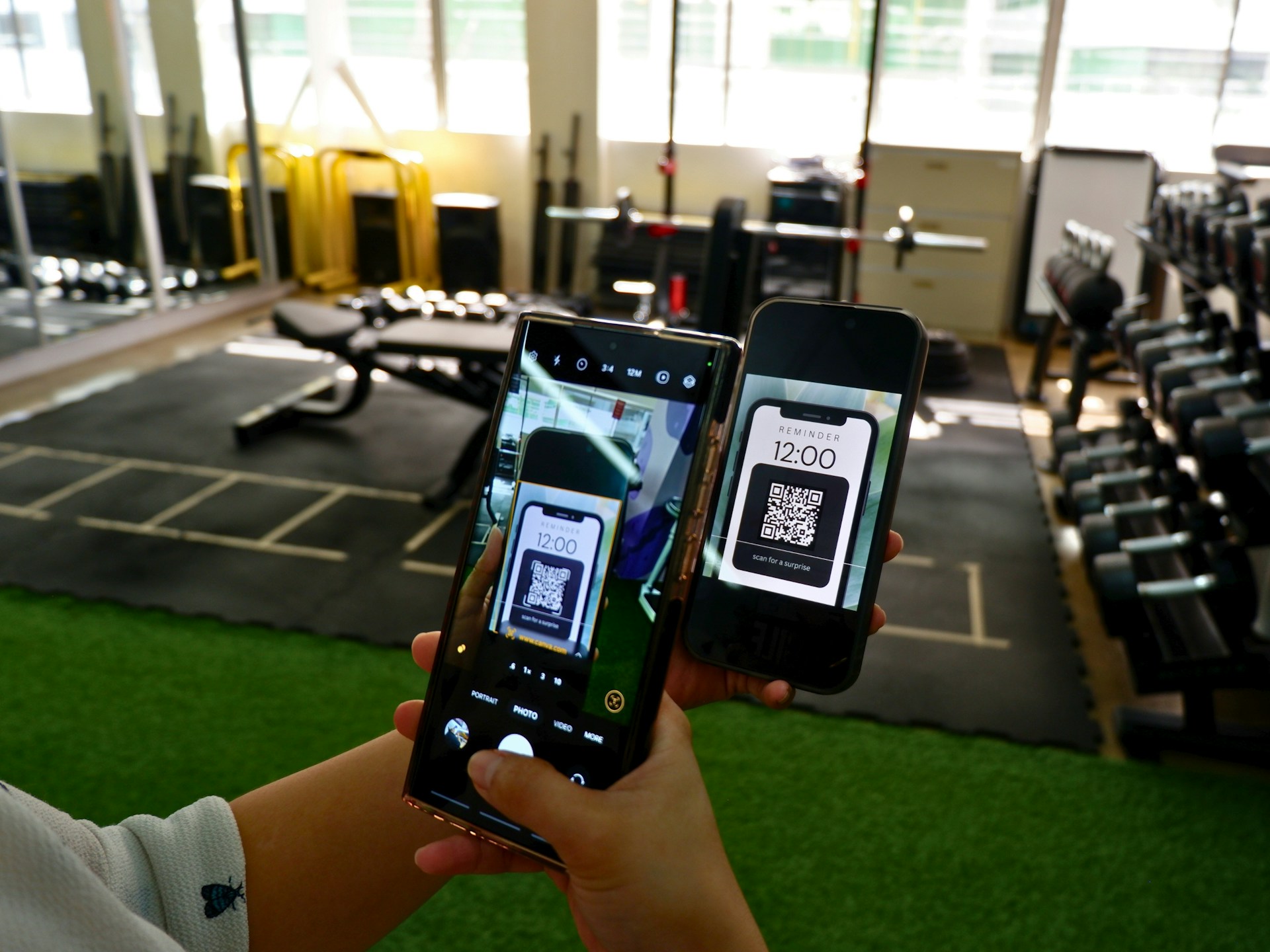
QR codes are a powerful tool for bridging the gap between the physical and digital worlds. Integrated into print ads, product packaging, billboards, and storefronts, QR codes allow customers to scan and instantly access exclusive offers, redeem coupons, unlock interactive content, or participate in augmented reality experiences.
Retailers like Carrefour and IKEA use QR codes in Europe on product tags to provide detailed information, reviews, and personalized recommendations. Restaurants across the continent have adopted QR codes on menus to streamline ordering and feedback. QR codes are also central to loyalty programs, enabling customers to track points and access exclusive rewards via mobile devices.
Immersive Technologies: Augmented and Virtual Reality Incentives
The emergence of augmented reality (AR) and virtual reality (VR) technologies is further revolutionizing online incentives. AR experiences can bring product demonstrations to life, allowing customers to virtually try on clothes, test furniture in their homes, or even experience the thrill of a new car before making a purchase.
Luxury European brands like Gucci and Chanel are increasingly leveraging AR to enhance the customer experience, offering virtual try-ons of their latest collections and personalized product recommendations. For instance, beauty brands like Sephora and L’Oréal use AR filters to let customers “apply” makeup virtually, reducing hesitation and boosting sales. Meanwhile, VR experiences are finding their place in industries like real estate and travel across Europe, where customers can take virtual tours of properties or destinations.
Blending the Digital and Physical Worlds
The future of online incentives lies in creating immersive and unforgettable experiences. Businesses are exploring innovative ways to blend the digital and physical worlds, offering unique rewards that go beyond traditional discounts and coupons.
For example, exclusive access to live events, personalized travel packages, or curated experiences tailored to individual interests are becoming popular. Companies are also experimenting with hybrid models, such as combining AR-powered scavenger hunts with real-world rewards like free products or event tickets, enhancing engagement and customer satisfaction.
The Road Ahead: Evolving with Technology
As technology continues to evolve, so too will the landscape of online incentives. Artificial intelligence (AI) will play an increasingly significant role in personalizing offers and predicting customer behavior. Blockchain technology has the potential to enhance transparency and security in loyalty programs.
Furthermore, QR codes will continue to evolve, transforming from simple links to gateways to a multitude of digital experiences. They will be increasingly integrated into everyday interactions, offering seamless access to personalized offers, interactive content, and immersive experiences.
Businesses in Europe that embrace these advancements, prioritize customer experience, and continuously innovate will be best positioned to thrive in this dynamic and ever-changing landscape.