



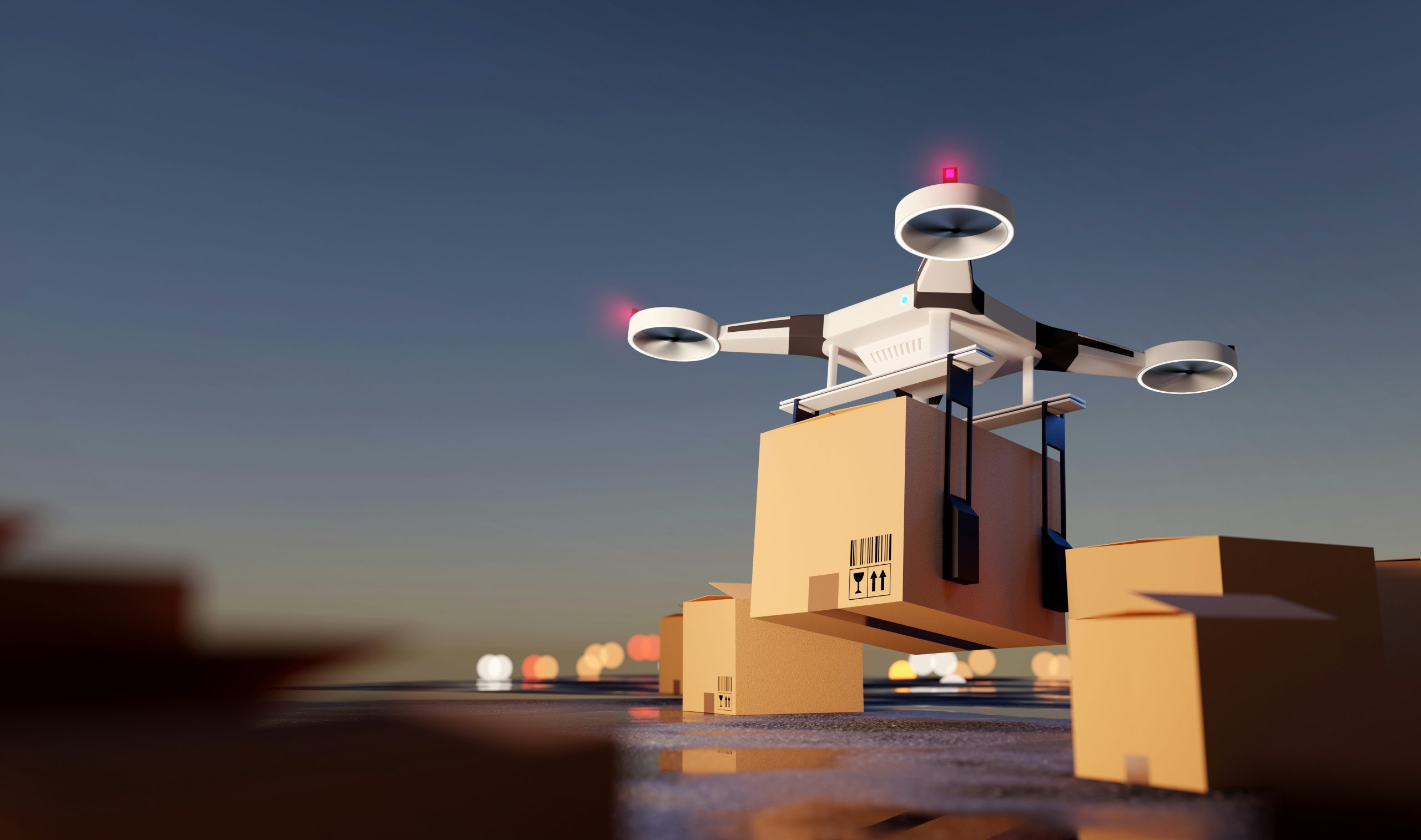
The aviation industry stands on the cusp of a transformative era. Autonomous aircraft, once the realm of science fiction, are rapidly becoming a tangible reality. From cargo drones revolutionizing logistics to air taxis poised to redefine urban mobility, the landscape of aviation is evolving at an unprecedented pace. By Nick Staunton, Editor-in-Chief – European Business Magazine
Advancements in Autonomous Cargo Aircraft
One of the most significant developments in recent years has been the emergence of autonomous cargo aircraft. These unmanned aerial vehicles (UAVs) are designed to transport goods efficiently and safely, without the need for human pilots.
Join The European Business Briefing
New subscribers this quarter are entered into a draw to win a Rolex Submariner. Join 40,000+ founders, investors and executives who read EBM every day.
SubscribeA notable example is the Cento drone developed by MightyFly. This electric vertical takeoff and landing (eVTOL) aircraft has demonstrated the capability to autonomously load and unload cargo, showcasing its potential for rapid delivery services. The U.S. Air Force has recognized its utility, conducting evaluations to assess its suitability for military logistics operations.
Similarly, Elroy Air’s Chaparral drone has garnered attention for its hybrid-electric design, enabling it to carry substantial payloads over long distances. The company has secured a manufacturing partnership to scale production, indicating strong market confidence in the viability of autonomous cargo drones.
Military Applications and Defense Innovations
The defense sector has also embraced autonomous aircraft technologies. Sikorsky, a Lockheed Martin company, has unveiled the S-70 U-Hawk, a fully autonomous version of the iconic Black Hawk helicopter. By removing the cockpit and crew stations, the U-Hawk offers 25% more cargo space, making it ideal for logistics and resupply missions in contested environments. The aircraft is equipped with the MATRIX autonomy system, allowing it to generate flight plans and navigate safely using cameras and sensors.
In a similar vein, Northrop Grumman’s Beacon program aims to demonstrate autonomous flight solutions using the Scaled Composites Model 437 Vanguard aircraft. This initiative seeks to integrate various autonomous technologies into a cohesive ecosystem, enhancing the operational capabilities of unmanned systems in military applications.
Urban Air Mobility and Air Taxis
Beyond cargo and defense, autonomous aircraft are set to revolutionize urban mobility. Air taxis, capable of transporting passengers across cities, are no longer a distant dream. Companies like Joby Aviation and Lilium are at the forefront, developing eVTOL aircraft designed for short urban trips.
These air taxis promise to alleviate traffic congestion and reduce travel times in densely populated areas. However, challenges remain, including regulatory hurdles, infrastructure development, and public acceptance. Governments and aviation authorities are working collaboratively to establish frameworks that ensure the safe integration of these vehicles into existing airspace systems.
The successful deployment of autonomous aircraft hinges on the development of appropriate infrastructure and regulatory frameworks. Vertiports, specialized landing and takeoff sites for eVTOL aircraft, are being constructed in urban centers worldwide. These facilities are designed to accommodate the unique requirements of autonomous vehicles, including charging stations and maintenance facilities.
Regulatory bodies, such as the Federal Aviation Administration (FAA) in the United States, are actively working on establishing guidelines for the operation of autonomous aircraft. This includes developing certification processes for eVTOL aircraft and creating air traffic management systems that can handle the increased complexity introduced by autonomous vehicles.
The Road Ahead
The journey toward widespread adoption of autonomous aircraft is complex and multifaceted. It involves technological advancements, regulatory approvals, infrastructure development, and societal acceptance. However, the progress made thus far indicates a promising future.
As the industry continues to innovate, autonomous aircraft are poised to become an integral part of the aviation ecosystem. Whether it’s delivering goods swiftly across continents, providing rapid medical supplies to remote areas, or offering efficient urban transportation solutions, the potential applications are vast.
In conclusion, the autonomous aircraft industry is not just an evolution of aviation; it represents a revolution. As technology advances and societal readiness grows, the skies will become a shared space for autonomous vehicles, ushering in a new era of flight that is safer, more efficient, and more accessible than ever before.
For more insights into the evolving world of autonomous aviation, visit European Business Ma

