



EBM Newsdesk Analysis
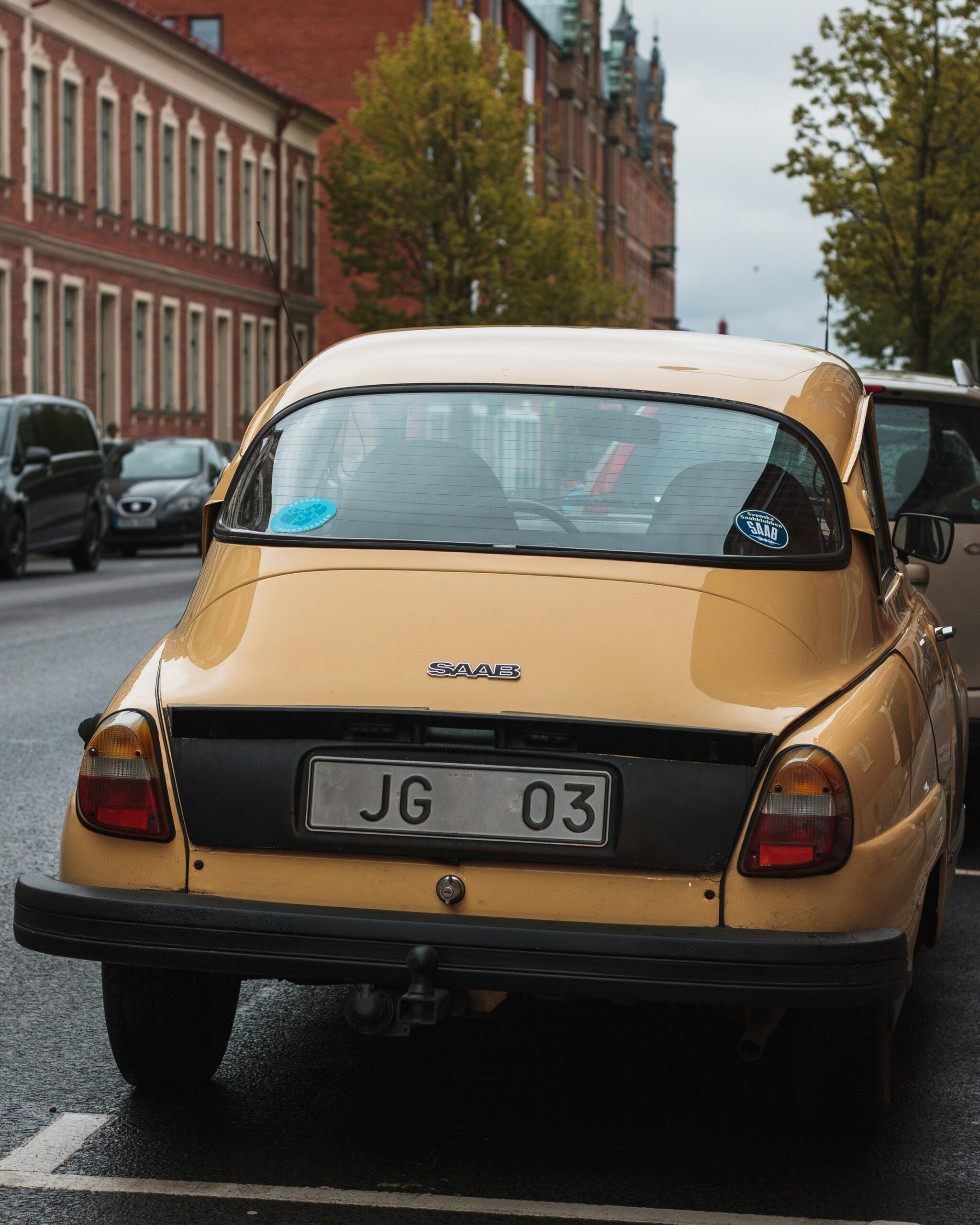
Stockholm, 23 April 2026 — On 19 December 2011, Saab Automobile AB filed for bankruptcy at the District Court of Vänersborg with assets valued at $500 million and debts of roughly $2 billion. Just five years earlier, the Swedish carmaker had set its all-time global sales record of 133,167 vehicles, with European volumes of 88,859 units — its best-ever performance on the continent. The collapse, when it came, was so complete that Saab Automobile’s bankruptcy estate took more than a decade to wind up; the procedure was only formally closed in October 2023. Today, the right to manufacture cars under the Saab name sits with Saab AB — the Swedish defence group, which has spent the years since the car business died building one of Europe’s most valuable industrial businesses, with a SEK 274.5 billion (€24.7 billion) order backlog and a market capitalisation that has tripled since Russia invaded Ukraine.
The story of how Saab the carmaker died and Saab the defence giant was reborn is one of the most instructive case studies in modern European industrial history — and it tells you almost everything you need to know about which European businesses are winning in 2026 and which are not.
The Cars That Europe Loved
Join The European Business Briefing
New subscribers this quarter are entered into a draw to win a Rolex Submariner. Join 40,000+ founders, investors and executives who read EBM every day.
Subscribe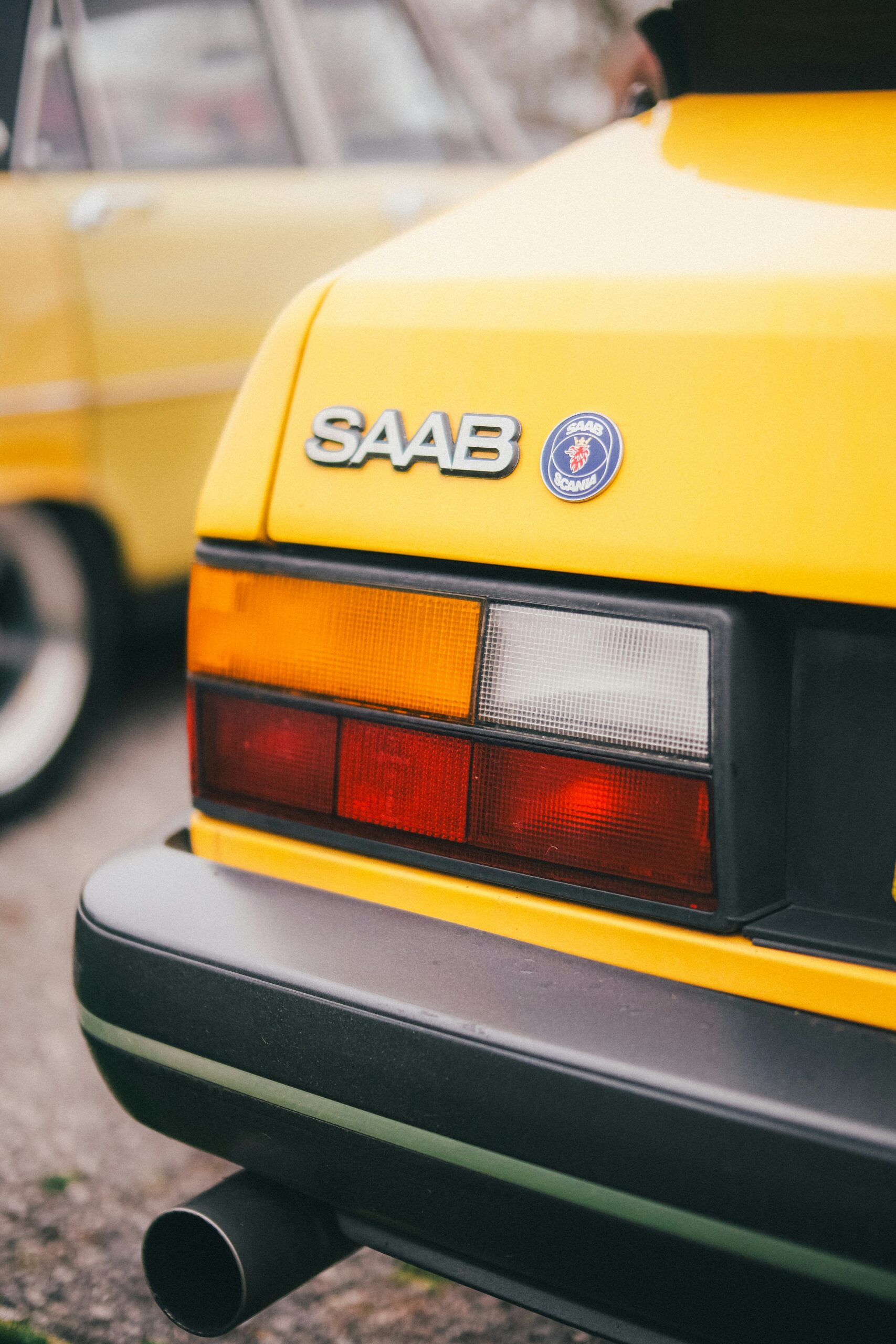
Through the 1980s and 1990s, Saab’s cult following on both sides of the Atlantic was a real commercial force. The 900 — the convertible especially — became a cultural marker: the car professors, architects, doctors and journalists drove when they wanted to signal that they were not BMW people. By 2006, Saab was selling 133,167 cars globally at a record annual high, with the UK alone taking 26,962 units and 1.15% market share. In Sweden, the 9-5 BioPower made Saab responsible for almost one in three environmentally-friendly car sales — a decade before the EV boom made green credentials standard kit. The brand carried a halo that Volvo, for all its commercial success, never quite matched.
The GM Years and the Slow Strangulation
The death began earlier than most people remember. General Motors took 50% of Saab Automobile in 1989, then exercised its option to acquire the remaining 50% in 2000, making Saab a wholly-owned GM subsidiary. The promise was scale: GM platforms, GM purchasing power, GM distribution. The reality was the opposite. The 9-3 and 9-5 of the early 2000s were heavily re-engineered GM platforms that lost much of what made Saabs distinctive. Worse, GM cross-engineered embarrassments like the 9-2X — a rebadged Subaru Impreza — and the 9-7X, a rebadged Chevrolet Trailblazer SUV. The Saab faithful, who had paid premium prices for genuine engineering character, recoiled.
Sales held up briefly through the BioPower-driven 2006 peak, but the underlying brand was being hollowed out. By 2008, GM itself was hurtling toward Chapter 11 bankruptcy under the weight of the global financial crisis, and the US government’s bailout conditions forced the company to shed brands ruthlessly. Saab was among the first to go.
The Spyker Disaster and the China Block
In January 2010, Dutch sports-car maker Spyker N.V. — which itself produced fewer than 100 cars a year — acquired Saab from GM for €74 million. The acquirer had no automotive manufacturing infrastructure at scale, no dealer network capable of supporting Saab’s volumes, and no working capital line. Production resumed erratically. The all-new 9-5, which should have been the rebirth model, launched with unresolved infotainment software bugs. The 9-4X SUV was delayed repeatedly. Suppliers, unpaid, halted shipments.
By summer 2011, Spyker had agreed a €245 million rescue deal with Chinese consortium Pang Da and Zhejiang Youngman. It would have saved the company. General Motors blocked the sale. Under the Automotive Technology License Agreement that governed Saab’s use of GM platforms, GM refused to license the technology to any Chinese-controlled entity, citing concerns about intellectual property transfer. The decision — widely criticised at the time as protectionist — was the final blow. Without the Chinese capital, Saab had no lifeline. On 19 December 2011, the company filed for bankruptcy. The last 9-3 convertible rolled off the Trollhättan production line in August 2011, and a final batch of 26 right-hand-drive cars was distributed through Saab Parts UK in lieu of an actual dealer network.
The bankruptcy estate took twelve years to wind up. Total accumulated debt: SEK 13 billion. Total recovered for creditors: SEK 3.2 billion. Around 3,000 former employees were left short on wages and severance. Chinese consortium NEVS (National Electric Vehicle Sweden) bought the bankrupt assets and tried to revive production, but went into its own bankruptcy protection in 2014. By 2016, NEVS had stopped using the Saab trademark altogether.
The Rebirth Nobody Saw Coming
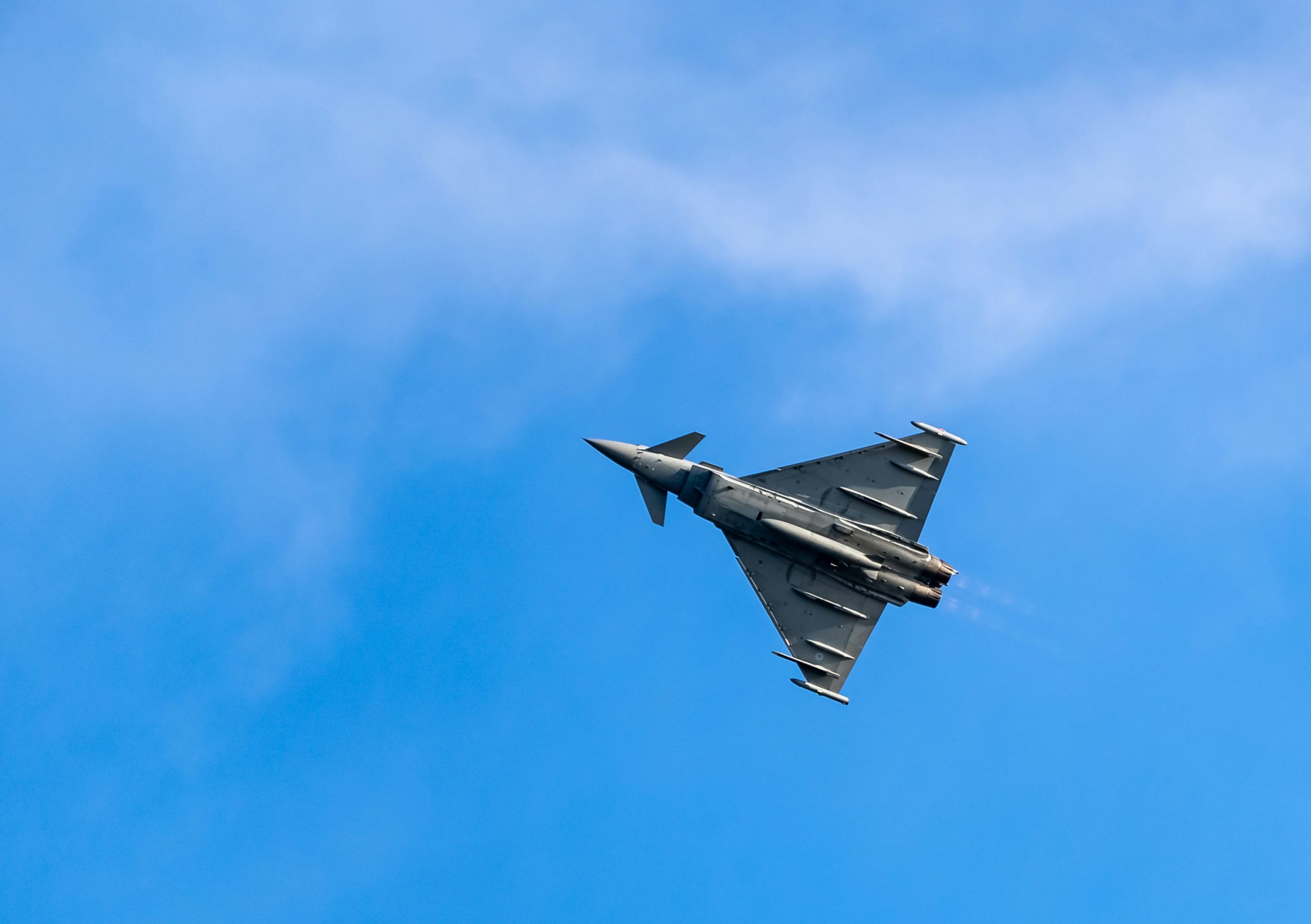
Then, in February 2022, Russia invaded Ukraine. European defence spending entered a structural up-cycle of a kind not seen since the Cold War, and Saab AB found itself sitting on exactly the products NATO and aligned governments suddenly needed at scale.
The 2025 numbers tell the story:
- Revenue: SEK 79.1 billion (€7.1 billion), up 24% year-on-year
- Order intake: SEK 168.5 billion (€15.1 billion), up 74%
- Order backlog: SEK 274.5 billion (€24.7 billion) — roughly 3.5 times annual sales
- Operating profit: SEK 8.07 billion (€726 million), up 42%, EBIT margin 10.2%
- Workforce: 28,000 globally, up 3,300 in twelve months
- Q4 2025 order intake alone: SEK 100 billion — the single best quarter in the company’s history
The Q4 2025 surge was driven by a single signature: Colombia’s $3.4 billion order for 17 Gripen E/F fighters, signed in November 2025. Thailand added four more Gripens. France ordered two GlobalEye AWACS aircraft for SEK 12.3 billion. Sweden completed the second pair of A26 Blekinge-class submarines through Saab’s Kockums division for a further SEK 9.6 billion. Approximately 72% of Saab’s backlog is now for export customers — the company has become a serious global defence exporter on a scale unimaginable a decade ago. CEO Micael Johansson upgraded the medium-term revenue growth target to an average of 22% per year through 2027, with backlog for 2026 and 2027 already up 29% and 46% respectively.
What the Two Saabs Tell You About Europe
Saab’s history is a clean experiment in what wins and loses in European industry. The carmaker died because it was a small, design-led, high-engineering business that got swallowed by a giant with no idea what to do with it, then sold to an undercapitalised buyer, then blocked from a rescue by its former owner, all during a global financial crisis. The defence business survived and now thrives because it sits in a category where European sovereign demand is structural, where technical depth is a moat against AI commoditisation, and where the geopolitical environment has shifted decisively in favour of Western suppliers.
The lesson, for European industrial policy and for European investors alike, is that the European businesses succeeding in 2026 are not the consumer-facing brand giants of the post-war era. They are the deep-engineering specialists in defence (Saab, Rheinmetall, Leonardo, BAE, Thales), in energy infrastructure (Siemens Energy, ABB, Schneider), in optical networking (Nokia, post-Infinera), and in pharmaceutical innovation (Novo Nordisk, Roche). Europe lost its consumer car champions one by one — Saab, then Opel/Vauxhall to Stellantis, then most of the rest under Chinese pressure. It is winning, quietly, in the categories where engineering and political alignment are themselves the moat.
What Comes Next for the Saab Name
Saab AB renewed its rights to the Saab car brand again in September 2023. The defence group has, in theory, the capability to produce electric vehicles using the same platform-sharing logic that has made the modern EV industry possible — and it owns the brand name, the Griffin logo, the 9-3 and 9-5 model designations and the Aero badge. Whether it ever will is a different question. The defence business is generating better margins than any volume car manufacturer in the world right now, and the addressable market for its actual products is expanding by double-digit percentages annually.
For European drivers who still mourn the loss of Saab, the cars are not coming back. For European investors looking for the rare industrial winner in a continent that has spent fifteen years losing them, Saab AB is exactly the kind of business worth understanding — even if the story has to start with a death.
Related Analysis

