




























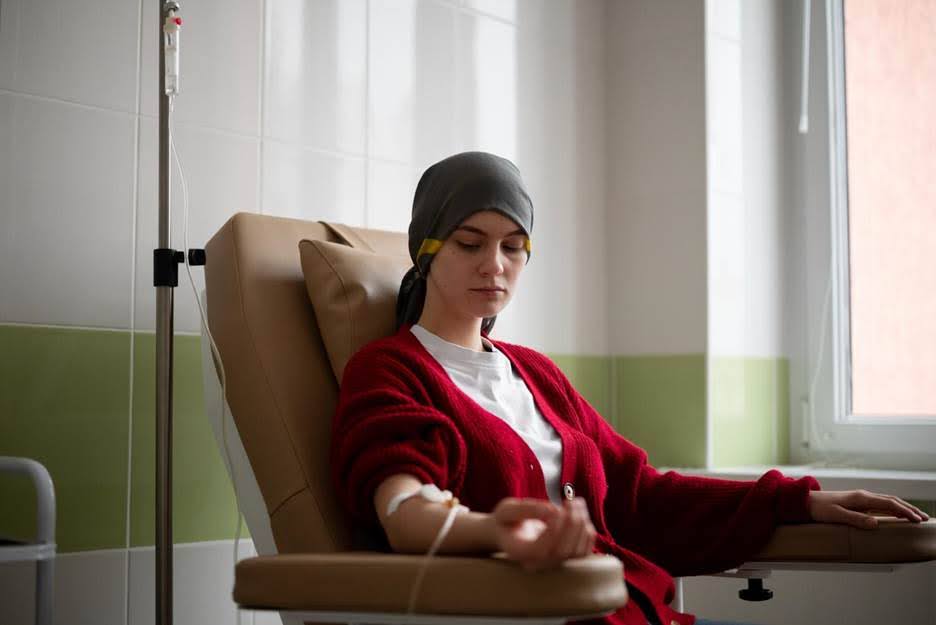
Recovery from Acute Myelogenous Leukemia (AML) is a critical phase that extends far beyond initial treatment. While medical advancements have improved remission rates, the journey toward full recovery requires careful monitoring, lifestyle adjustments, and consistent follow-up care. Understanding what happens after treatment can help patients and caregivers better prepare for the physical, emotional, and medical aspects of survivorship.
What Happens After AML Treatment?
Once a patient completes treatment—whether it involves chemotherapy, targeted therapy, or a stem cell transplant—the primary goal becomes maintaining remission. Remission means that leukemia cells are no longer detectable, but it does not necessarily indicate a complete cure. This is why follow-up care is essential.
During early recovery, the body begins to rebuild healthy blood cells and restore immune function. However, this process can take time, and patients may continue to experience side effects from treatment.
Join The European Business Briefing
New subscribers this quarter are entered into a draw to win a Rolex Submariner. Join 40,000+ founders, investors and executives who read EBM every day.
SubscribeFor those looking to better understand the process in detail, resources such as Internal linking Acute Myelogenous Leukemia Recovery and Follow-up can provide additional structured insights into post-treatment care pathways.
Physical Recovery: Challenges and Expectations
Fatigue and Low Energy
One of the most common challenges AML survivors face is persistent fatigue. Even after treatment ends, the body requires time to heal from intensive therapies. Energy levels may fluctuate, and patients are encouraged to pace themselves and gradually rebuild stamina.
Immune System Recovery
Because AML directly affects the bone marrow, the immune system is often weakened. Patients may remain vulnerable to infections for months after treatment. Doctors typically recommend avoiding exposure to illness, maintaining good hygiene, and following vaccination schedules when appropriate.
Blood Count Monitoring
Regular blood tests are essential to track recovery. These tests help ensure that red blood cells, white blood cells, and platelets are returning to normal levels. Any abnormalities may require further investigation.
Emotional and Mental Health Considerations
The emotional impact of AML does not end with treatment. Many individuals experience anxiety about relapse, mood changes, or difficulty adjusting to life after cancer. This is sometimes referred to as “post-treatment survivorship stress.”
Support from mental health professionals, family members, and peer groups can significantly improve emotional well-being. Open communication and acknowledging these challenges are important steps toward psychological recovery.
The Role of Follow-Up Care
Follow-up care is a structured and ongoing process designed to monitor a patient’s health and detect any signs of relapse early.
Regular Checkups
In the first year after treatment, follow-up visits are typically frequent—sometimes monthly. Over time, if remission is maintained, these visits may become less frequent. Each visit may include:
- Physical examinations
- Blood tests
- Bone marrow assessments (if necessary)
Detecting Relapse Early
AML has a higher risk of recurrence within the first few years after treatment. Routine monitoring allows healthcare providers to identify changes early and intervene promptly if needed.
Managing Long-Term Side Effects
Some treatments can have lasting effects on the body, including heart complications, hormonal imbalances, or fertility issues. Follow-up care ensures that these conditions are identified and managed appropriately.
Lifestyle Adjustments for Recovery
Nutrition and Diet
A well-balanced diet plays a key role in recovery. Foods rich in protein, vitamins, and minerals help rebuild tissues and support immune health. Patients may benefit from consulting a nutritionist to create a personalized meal plan.
Physical Activity
Exercise can improve energy levels, reduce fatigue, and support mental health. Light activities such as walking, stretching, or yoga are often recommended during early recovery.
Infection Prevention
Preventing infections remains a priority. Patients should:
- Wash hands frequently
- Avoid crowded places during early recovery
- Follow medical advice regarding vaccinations
Special Considerations After Stem Cell Transplant
For patients who undergo a stem cell transplant, recovery can be more complex. In addition to general follow-up care, doctors monitor for conditions such as graft-versus-host disease (GVHD), which occurs when donor cells attack the patient’s body.
These patients may require long-term medications to suppress the immune system and prevent complications. Close monitoring is essential to ensure successful recovery.
Creating a Survivorship Plan
A survivorship care plan is a valuable tool for AML patients. This plan typically includes:
- A summary of treatments received
- A schedule for follow-up visits
- Potential side effects to watch for
- Lifestyle recommendations
Such plans help patients stay organized and proactive about their health.
Healthcare institutions like Liv Hospital often emphasize structured survivorship programs, highlighting the importance of long-term monitoring without focusing solely on treatment.
When to Seek Medical Attention
Even during recovery, certain symptoms should not be ignored. Patients should contact their healthcare provider if they experience:
- Persistent fever
- Unusual bruising or bleeding
- Severe fatigue
- Shortness of breath
These symptoms could indicate complications or a possible relapse and require immediate evaluation.
Long-Term Outlook
The long-term outlook for AML varies depending on factors such as age, genetic characteristics of the leukemia, and response to treatment. While some patients achieve long-term remission, others may require additional therapies over time.
Advances in personalized medicine and targeted treatments continue to improve survival rates and quality of life for AML patients. Ongoing research offers hope for even better outcomes in the future.
Conclusion
Recovery from Acute Myelogenous Leukemia is a gradual and multifaceted process that involves more than just completing treatment. It requires careful follow-up, healthy lifestyle choices, and attention to both physical and emotional well-being.
By understanding the importance of monitoring, maintaining open communication with healthcare providers, and adopting supportive habits, patients can navigate life after AML with greater confidence and resilience.