





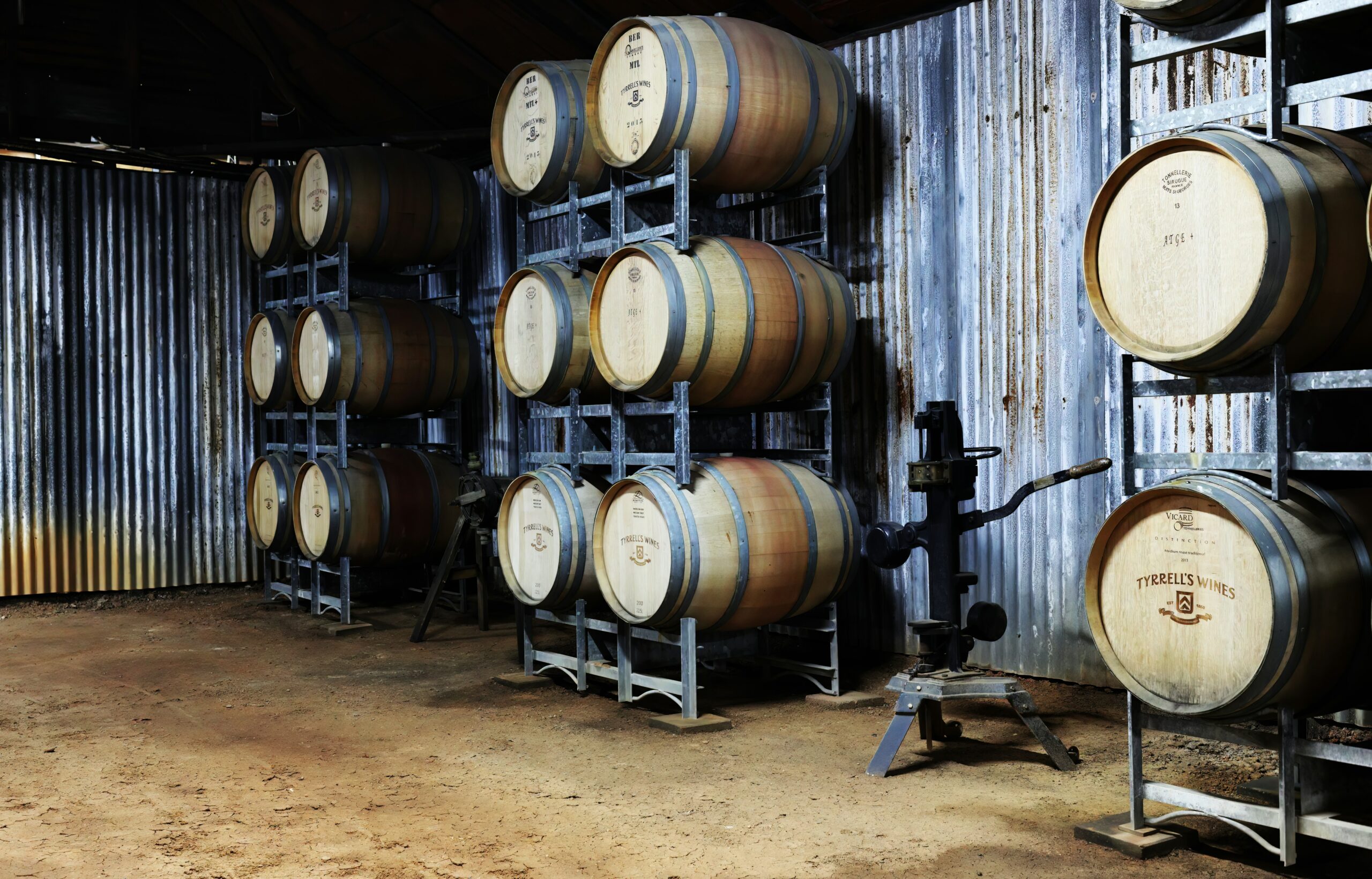
When most European business travellers think of Australia, they picture Sydney’s harbour or Melbourne’s laneway coffee scene. But something interesting has been happening outside the cities. Regional destinations, particularly those built around wine, food and landscape, are drawing an entirely new kind of visitor.
It’s not just vacationing families or backpackers anymore. Senior executives, entrepreneurs and leadership teams are increasingly choosing Australia’s boutique wine regions for everything from high-end leisure trips to off-site retreats. And the region getting the most attention right now sits less than 90 minutes south of Melbourne.
Why Business Leaders Are Looking Beyond Capital Cities
The shift isn’t surprising if you’ve been paying attention to travel trends. The post-pandemic years accelerated a desire for slower, more intentional travel, particularly among professionals who had spent years on the treadmill of back-to-back city trips. The standard formula of flying in, checking into a central hotel and sitting through meetings in a conference room started losing its appeal.
Join The European Business Briefing
New subscribers this quarter are entered into a draw to win a Rolex Submariner. Join 40,000+ founders, investors and executives who read EBM every day.
SubscribeWhat replaced it was a preference for destinations that offered breathing room. Places where you could pair productive meetings with genuine relaxation, where the setting itself became part of the experience. Australia’s regional wine areas fit that brief perfectly.
The infrastructure has caught up, too. Many of these regions now offer luxury properties with private meeting spaces, world-class dining and curated experiences that rival anything you’d find in Europe’s top wine destinations. The combination of quality and relative exclusivity makes them particularly appealing to high-net-worth travellers who prefer to avoid the crowds.
The Mornington Peninsula: Australia’s Quiet Overachiever
Located on a stretch of coastline south of Melbourne, the Mornington Peninsula has built a reputation that punches well above its weight. The region is home to more than 50 cellar doors, award-winning restaurants, natural hot springs and some of the most beautiful coastal scenery on the continent.
But what sets it apart from other Australian wine regions like the Barossa Valley or Margaret River is its accessibility. You can land at Melbourne’s international airport and be tasting pinot noir with ocean views within an hour and a half. For international visitors working to a tight schedule, that proximity is a serious advantage.
The wine itself deserves attention. The Peninsula is known for its cool-climate varietals, particularly Pinot Noir and Chardonnay, which have been winning international awards for years. Many of the producers are small, family-run operations that emphasize quality over volume. A cellar door visit here feels personal, not commercial.
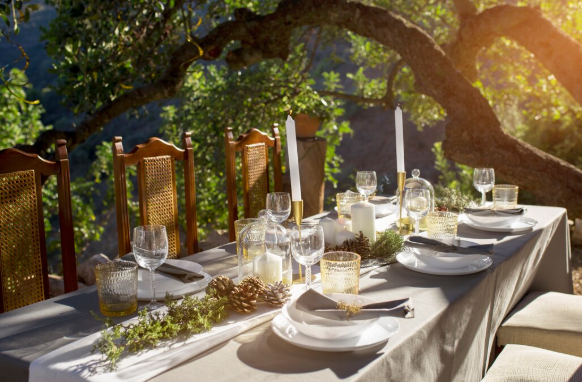
For those planning a trip, finding the right Mornington Peninsula accommodation makes all the difference. Boutique properties set among vineyards and rolling hills offer the kind of setting that transforms a simple getaway into something memorable. The best options blend understated luxury with a genuine connection to the surrounding landscape.
What European Travellers Should Know
Australia isn’t cheap, and the Mornington Peninsula is no exception. But for European visitors accustomed to Burgundy or Tuscany pricing, the value proposition is actually quite competitive. A world-class tasting menu at a Peninsula restaurant often costs a fraction of what you’d pay in comparable European establishments, and the quality of local produce is outstanding.
The season matters, too. Australia’s autumn, running from March to May, is arguably the best time to visit. The crowds thin out after summer, the harvest is underway, and the light across the vineyards is extraordinary. For northern hemisphere travellers escaping late winter, the timing works beautifully.
Getting around requires some planning. While Melbourne is well connected to international hubs, the Peninsula itself is best explored by car. Several high-end tour operators offer private chauffeur services, which makes it easy to enjoy tastings without worrying about logistics.
Language is obviously no barrier, and the hospitality culture leans toward warmth without formality. Australians have a knack for making high-end experiences feel relaxed rather than stuffy, which tends to resonate well with European visitors used to a more structured service style.
Wine Tourism as a Business Strategy
There’s a growing body of research suggesting that the setting of a corporate retreat or offsite meeting directly impacts its outcomes. Teams that meet in relaxed, inspiring environments tend to be more creative, more collaborative and more open to big-picture thinking than those stuck in conventional venues.
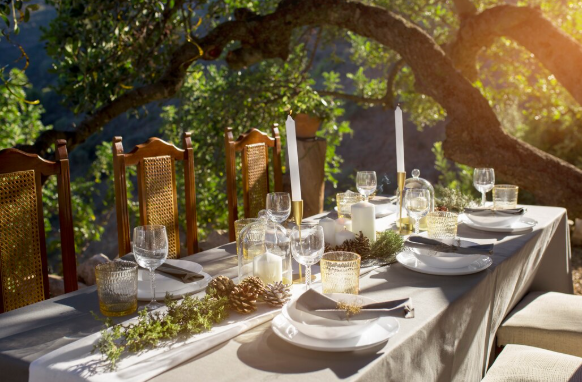
Wine regions tick every box. The pace is slower, the surroundings are beautiful, and shared experiences like vineyard walks and long lunches create the kind of informal bonding that forced icebreakers never achieve. Several Australian properties now cater specifically to small executive groups, offering private dining, tailored wine programs and flexible meeting spaces alongside the standard luxury amenities.
For companies thinking about how to streamline their corporate travel approach, destinations like the Mornington Peninsula represent a smarter way to spend the travel budget. Rather than another forgettable city trip, a well-planned regional visit delivers both productivity and genuine team wellbeing.
The Broader Trend Toward Regional Luxury
The Mornington Peninsula is part of a larger global trend. From Portugal’s Douro Valley to Japan’s Niseko region, travellers with means are gravitating toward places that offer authenticity, quality and a sense of escape that big cities simply cannot replicate.
What makes Australia’s offering distinctive is the relative newness of it all. The country’s fine wine industry has only really matured in the last three decades, and its luxury hospitality sector is still evolving. That creates a sense of discovery that more established destinations have lost. Visiting feels less like ticking off a well-worn itinerary and more like finding something genuinely fresh.
For European business travellers considering their next long-haul trip, Australia’s wine regions deserve a serious look. The combination of world-class wine, exceptional food, stunning natural beauty and a laid-back approach to luxury is hard to match. And with direct flight connections from major European hubs to Melbourne improving year by year, the journey is getting easier all the time.
Sometimes the smartest business trip is the one that doesn’t feel like a business trip at all.


