






























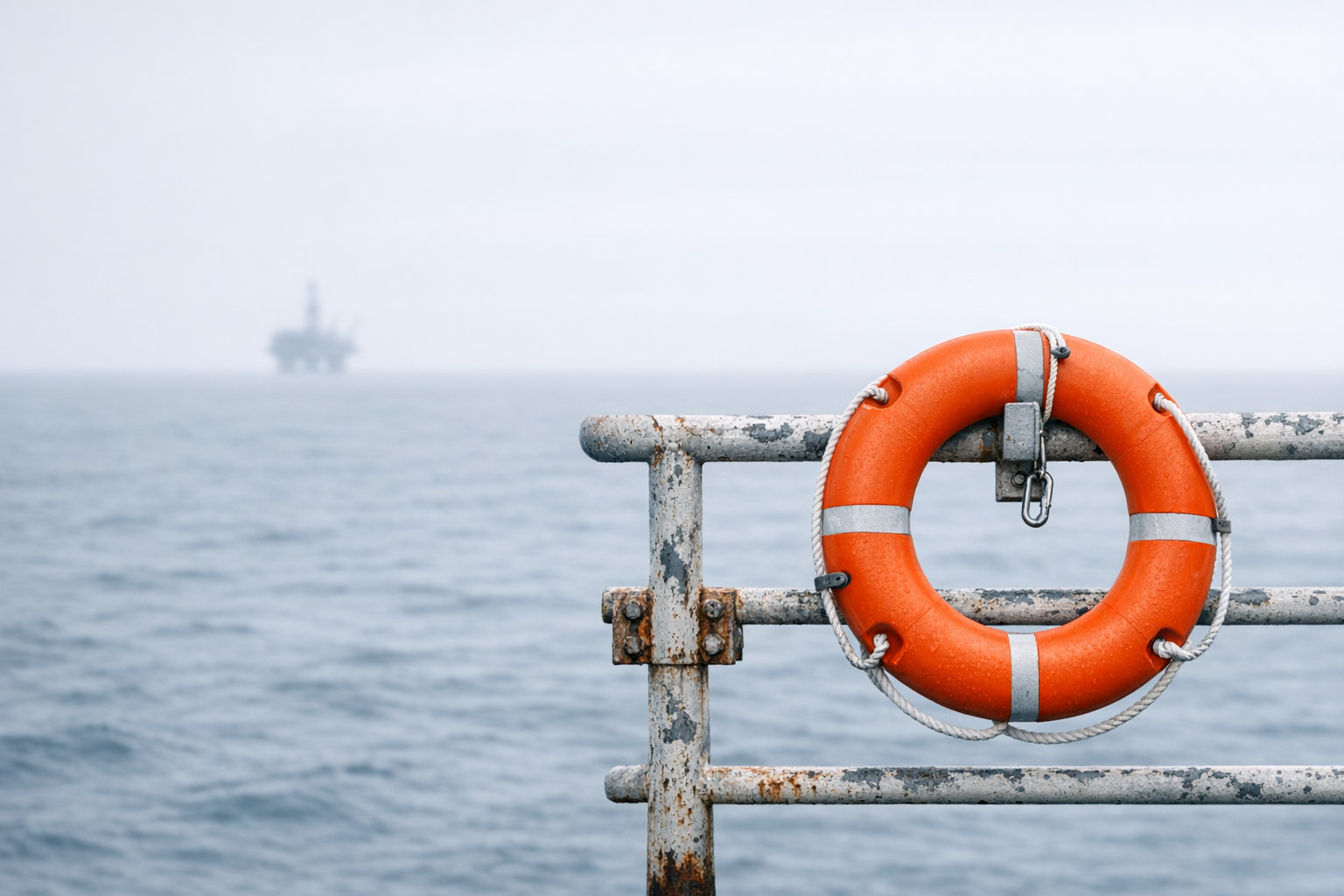
This article offers an overview of day-to-day reality, training, living conditions, work-life balance and future prospects for those beginning a career on an offshore oil rig.
Starting a new career on an offshore oil rig presents a unique blend of challenges and opportunities. For many, the idea of living and working at sea is both exciting and a little daunting. The offshore environment is unlike any other, requiring a high level of adaptability and a willingness to embrace a distinct lifestyle. Industries such as energy rely heavily on specialized personnel for offshore platforms, and positions, such as a variety of offshore oil rig jobs, are critical for safe and efficient operations, and almost always in high-demand.
The Daily Routine and Work Expectations
A typical day aboard an offshore oil rig is highly structured. Shifts usually run twelve hours, with crew members alternating between periods on-duty and off. Work is physically demanding, consisting of equipment monitoring, maintenance and adhering to stringent safety procedures. Teamwork and clear communication are essential to ensure that every task is performed safely and efficiently. New starters quickly learn the importance of reliability and discipline to become valued team members.
Join The European Business Briefing
New subscribers this quarter are entered into a draw to win a Rolex Submariner. Join 40,000+ founders, investors and executives who read EBM every day.
SubscribeBeyond the scheduled shifts, workers must remain alert to changing conditions and unexpected situations that can arise at any moment. Weather patterns, equipment performance and operational demands can all influence the pace and intensity of daily activities. Adapting to this dynamic environment requires mental agility and the ability to prioritize tasks effectively. Many newcomers find that developing a personal routine during off-hours, such as regular exercise, reading or maintaining a journal, helps them stay grounded and manage the demanding schedule more effectively.
Training and Safety Requirements
Before beginning work on an offshore rig, comprehensive industry training and safety certifications are mandatory. Standard qualifications often include medical checks, emergency response training and offshore survival techniques. The emphasis on safety is ever-present, with regular drills and protocols in place to protect all workers. This training not only prepares individuals for emergencies but also instills a culture of vigilance and responsibility across the rig.
Living Conditions and Amenities Onboard
Life offshore involves adapting to compact shared living spaces. Modern rigs offer a range of amenities to support workers during their time at sea, including communal dining areas, recreational rooms, fitness facilities and internet access. While privacy is limited, efforts are made to create a comfortable and supportive living environment. Mealtimes and recreational activities provide important opportunities to relax and socialize with colleagues during off-duty hours.
Challenges of Work-Life Balance and Extended Stays
Working on an oil rig usually means spending weeks away from home. Extended rotations, typically lasting two to four weeks, are followed by equivalent time offshore. This arrangement can be challenging for those with families or commitments ashore. Maintaining contact with loved ones, managing fatigue and adjusting to the confined setting are common hurdles. However, the extended blocks of time off can be appealing and allow for significant rest and recuperation between rotations.
Career Paths and Future Prospects
Starting offshore is often just the beginning. Many professionals use their early experiences to build a long-term career in the energy sector. With the right blend of skill, certification and commitment, individuals may progress into more senior operational, technical or leadership roles. Ongoing professional development is encouraged, and there are frequently opportunities for additional training and advancement within the industry. The unique experiences gained from life at sea provide a strong foundation for developing expertise and resilience valued across global energy operations.
In summary, embarking on a career on an offshore oil rig brings with it distinctive challenges, a structured routine and the need for rigorous training. The unique lifestyle involves adapting to communal living and extended time away from home, but it also offers excellent prospects for professional and personal growth. Understanding what to expect helps new starters prepare for life at sea and make the most of opportunities offshore.