





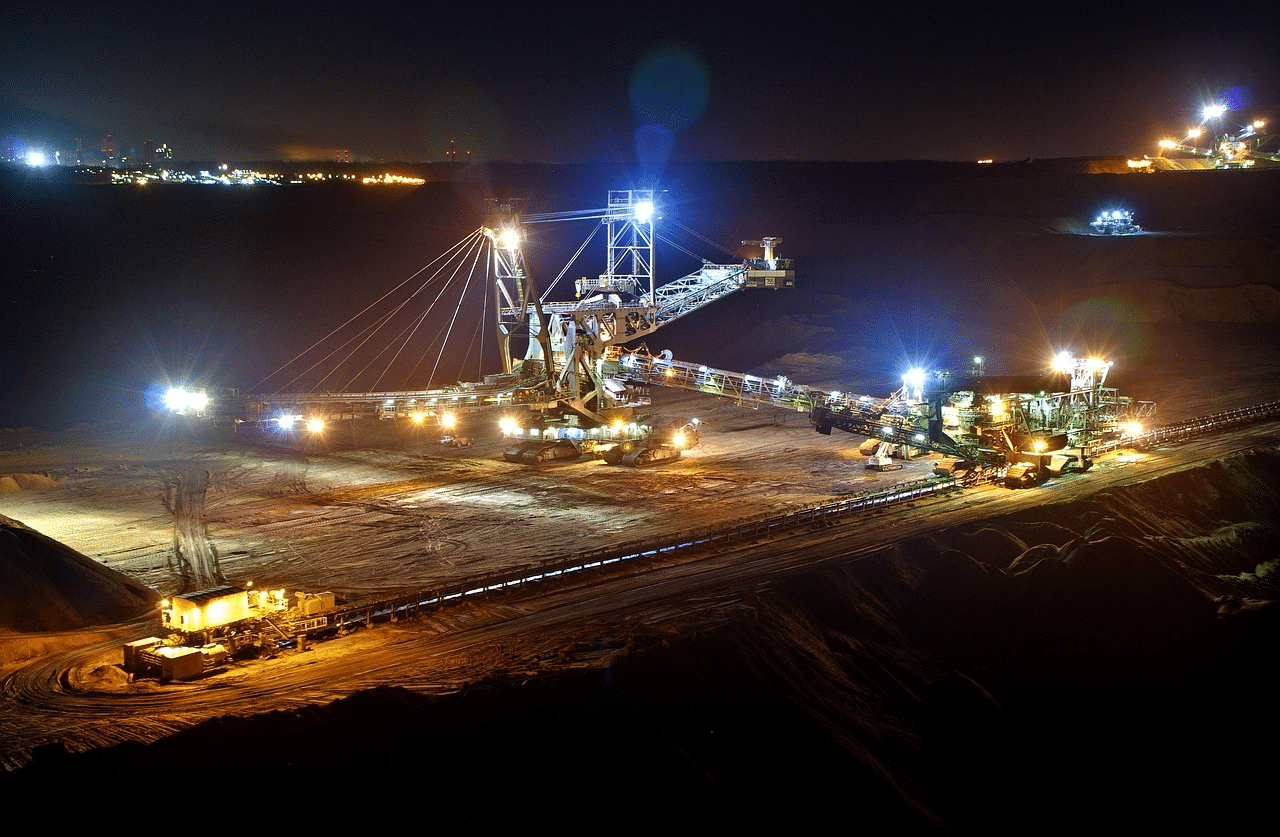
For years, mining was treated as a supporting industry rather than a driver of economic growth. It supplied materials to manufacturers and energy companies. Even then it rarely appeared in discussions about industrial strategy. This is changing rapidly. Today, governments and industry understand the critical importance of reliable access to industrial minerals for modern economies.
The transition is also closely linked with electrification and growth of renewable energy along with extensive infrastructure projects. The raw material needed for every EV, solar installation, and data center is substantial. The demand is increasing which makes countries more concerned about reliable supply chains.
A major difficulty for Europe is that a lot of industries in the continent depend on imported resources. Recent worldwide trade disruptions have brought forth the fragility of manufacturing industries in the event of a breakdown in supply chains. This has revived the significance of mining in the economic and political agenda of the region.
Join The European Business Briefing
New subscribers this quarter are entered into a draw to win a Rolex Submariner. Join 40,000+ founders, investors and executives who read EBM every day.
SubscribeCopper and Critical Minerals Are Driving Demand
Copper has become an important industrial material in the modern economy. Copper extraction is linked directly to renewables, electric transportation and industrial infrastructure. Power grids, charging stations, and telecommunications all make use of the metal, in large amounts.
Demand is still rising due to investments in cleaner energy technologies and digital infrastructure by the governments. To keep up, mining firms are:
- Expanding their operations
- Investing in more efficient extraction methods
The search for strategic minerals is growing at the same time. Countries are looking to lower reliance on volatile supply lines and foreign production. This has turned mining into more than a commodity business. It is now closely associated with industrial security and long-term economic planning.
Technology Is Reshaping Mining Operations
Many people still think about mining in the old-fashioned way, but that’s not the case today. Large-scale projects today commonly employ:
- Automation
- Remote monitoring systems
- Predictive maintenance software
The advanced data systems in mining companies are designed to keep track of machinery performance to minimize downtime and maximize operational efficiency. Automation also keeps workers safe by preventing direct exposure in hazardous areas.
Efficiency is becoming central as disruption can have a much more significant impact on production targets and supply commitments. It has created a demand for specialized mining replacement parts that keep equipment reliable and reduce costly shutdowns.
Technology is also enabling companies to better manage their resources. Using better data analysis, operators can manage:
- Waste
- Energy usage
- Long-term productivity
Sustainability Pressures Continue to Grow
Environmental standards are now much higher for the mining industry. There has been a growing trend for investors, regulators and local communities to demand tangible sustainability promises.
Environmental concerns have become directly connected to business performance. Alongside production output, companies are now evaluated on:
- Water management
- Emissions reduction
- Land rehabilitation
- Community engagement
Public opposition exists in many areas where people fear that the environment is being harmed or that there is inadequate control. This has made mining giants place a greater focus on transparency and long-term environmental planning.
The traditional energy sectors are also on the agenda. While in some areas there is regulatory pressure on coal mining, many economies are still trying to balance energy transition objectives with industrial stability and energy reliability. This forms a complex picture with older and newer energy systems still running concurrently.
Why the Industry Is Gaining Attention Again
Mining is no longer recognised as just a commodity cycle business. It is becoming more associated with manufacturing’s resilience, energy infrastructure, and competitiveness. Investors are turning to the industry because it is central to several aspects of economic growth.
Demand for industrial metals remains strong with governments demanding for more resource security. Global supply chains are under strain due to infrastructure modernization, electric transportation systems, and expansion of renewable energy.
Endnote
The next industrial boom may not begin in financial centers or technology campuses. It could begin underground, where the materials required for modern industry are sourced and processed. Mining is becoming one of the industries most directly connected to the future of industrial growth.


