





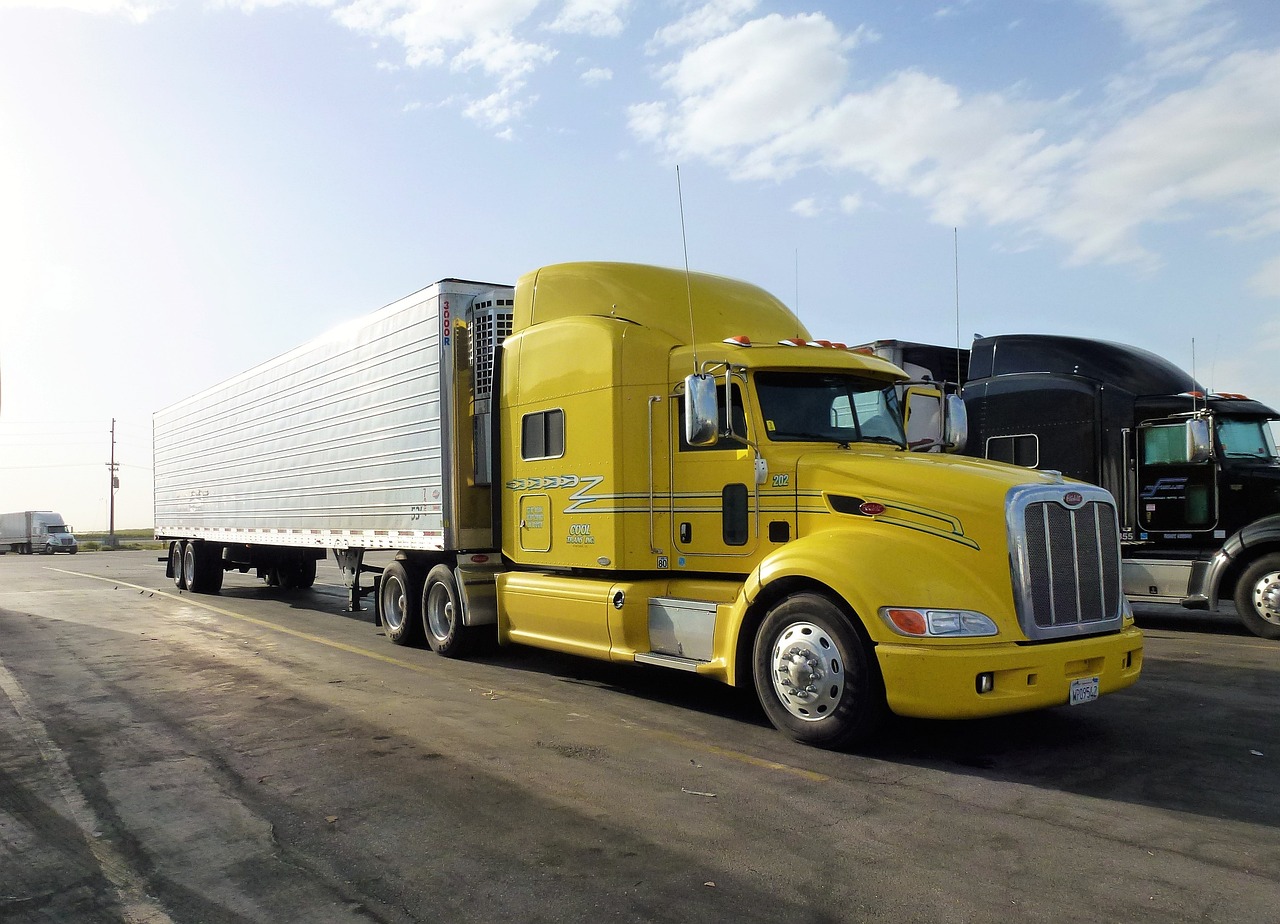
The transport industry in Europe is undergoing a massive transformation, driven by technological advancements, regulatory changes, and shifting consumer expectations. As sustainability, digitalization, and automation reshape the sector, transport businesses must adapt to stay competitive. This post details the transport business in Europe, from the rise of electric vehicles to the increasing role of data-driven decision-making, the future of European transport is evolving rapidly.
Key Trends Shaping the Future of Transport
1. Sustainability and Green Initiatives
With the European Union’s push for carbon neutrality by 2050, transport businesses must transition to greener solutions. The adoption of electric and hydrogen-powered vehicles is accelerating, supported by government incentives and stricter emissions regulations. Companies that invest in sustainable fleets will comply with the new policies and appeal to eco-conscious customers.
2. The Rise of Smart Fleets
Efficiency is a top priority for transport companies, and technology plays a crucial role in optimizing operations. Businesses increasingly rely on fleet management software to enhance vehicle tracking, route planning, and fuel efficiency. This software provides real-time insights, helping companies reduce operational costs and improve productivity.
Join The European Business Briefing
New subscribers this quarter are entered into a draw to win a Rolex Submariner. Join 40,000+ founders, investors and executives who read EBM every day.
Subscribe3. Autonomous and Connected Vehicles
The development of self-driving technology is set to disrupt the transport industry. While fully autonomous commercial fleets are still in their early stages, driver-assist systems and connected vehicle technologies are becoming more widespread. These innovations enhance safety, streamline logistics, and improve overall efficiency.
4. Digital Transformation and AI Integration
Artificial intelligence (AI) and big data analytics are revolutionizing decision-making in the transport sector. Companies leverage AI for predictive maintenance, demand forecasting, and optimizing delivery schedules. This integration of software powered by AI helps businesses stay ahead by automating processes and reducing errors.
5. Changing Consumer Expectations
The demand for faster and more flexible transport solutions is growing. E-commerce expansion has heightened the need for reliable last-mile delivery services, pushing businesses to innovate. Companies that adopt smart logistics, such as real-time tracking and automated warehouses, will have a competitive edge.
Challenges Facing the European Transport Industry
1. Rising Fuel and Energy Costs
Despite the push for alternative energy, many transport businesses still rely on diesel-powered vehicles. Fluctuating fuel prices pose a significant challenge, making cost management a priority. Investing in fuel-efficient vehicles and using data-driven strategies to optimize routes can help mitigate this issue.
2. Complex Regulatory Environment
European transport companies must navigate a complex web of regulations, including emissions standards, labor laws, and cross-border trade policies. Brexit has further complicated logistics for UK-based businesses, adding to the regulatory burden. Companies must stay updated on compliance requirements to avoid penalties and disruptions.
3. Driver Shortages and Workforce Challenges
The shortage of skilled drivers is an ongoing issue in the transport sector. With an aging workforce and fewer young professionals entering the industry, companies must focus on better working conditions, competitive wages, and automation solutions to bridge the gap.
4. Cybersecurity and Data Protection
As transport companies become more reliant on digital systems, the risk of cyberattacks increases. Protecting sensitive customer data and ensuring the security of fleet systems is essential to maintaining trust and operational integrity.
Endnote
The European transport industry is at a turning point, with sustainability, digitalization, and automation driving the next wave of innovation. Businesses that embrace these changes will thrive in an increasingly competitive sector. By investing in innovative technologies, complying with evolving regulations, and adapting to shifting consumer needs, transport companies can position themselves for long-term success in the European market.


