





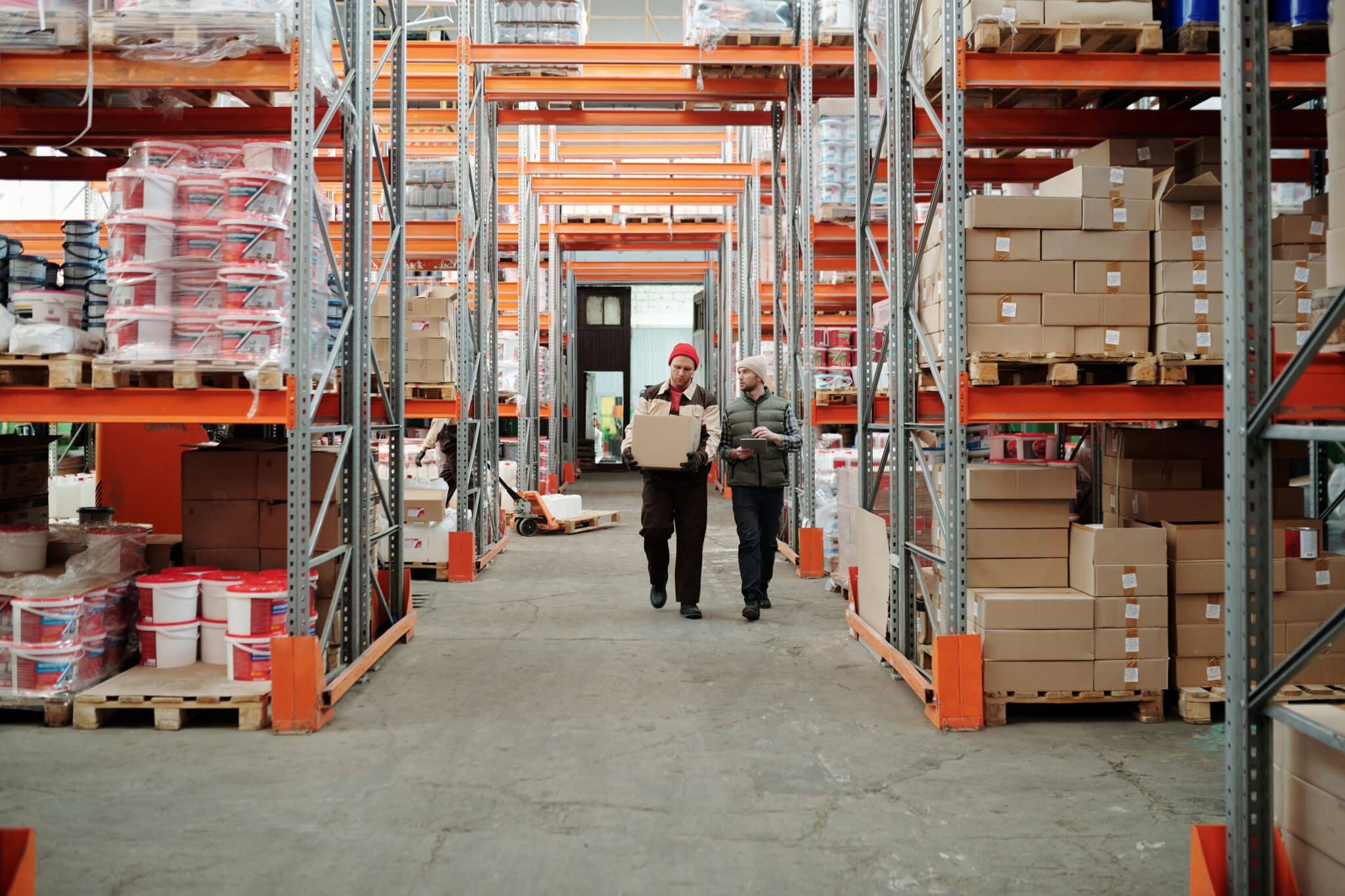
Whether you run a small business or a large warehouse, knowing how to handle inventory is essential. Your inventory is a big investment, and if you manage it badly, you can lose sales and frustrate customers.
A well-organized warehouse improves efficiency, cuts costs, and boosts profits. It helps ensure that the right products are available at the right time. Picture how easy it would be to process orders and track stock levels, keeping your business running smoothly. Let’s look at how to manage inventory effectively in warehouses.
Join The European Business Briefing
New subscribers this quarter are entered into a draw to win a Rolex Submariner. Join 40,000+ founders, investors and executives who read EBM every day.
SubscribeInventory Tracking
Accurate inventory tracking is crucial for good warehouse management. Using inventory management software gives you real-time updates on stock levels. Barcode scanning or RFID tags speed up this tracking, allowing for immediate updates when products are added or taken out.
Regular audits are important too. Set up routine checks to compare physical counts with records. This practice helps you spot mistakes and notice trends, like seasonal demand changes. Keeping an eye on stock levels prevents overstocking or running out, which can hurt your resources and customer relationships.
Dock Lifts
Using dock lifts in your warehouse improves handling operations. These tools make loading and unloading easier, creating a smooth flow between trucks and the warehouse. A good dock lift reduces manual lifting, which lessens strain on workers and lowers the chance of injuries.
Dock lifts increase efficiency, especially during busy shipping times. They help staff move heavy items quickly, ensuring shipments go out on time. This keeps operations on schedule and improves customer satisfaction by sending orders out promptly and accurately.
Pallet Lift
Pallet lifts are essential for moving heavy pallets. These devices make it easy to transport goods around the warehouse. They help staff lift and carry pallets, even in tight spaces. Equipment like pallet jacks boosts worker safety and speeds up product movement.
Using pallet lifts properly saves time. Workers can move larger amounts of goods at once, cutting down the number of trips needed to transport items. This efficiency helps keep warehouse operations flowing smoothly and supports a well-managed inventory system.
Stock Organization
An organized warehouse leads to smoother operations. Carefully arranging stock helps staff find items quickly and spend less time searching. Consider organizing items by size, frequency of use, or type. This not only makes picking easier but also reduces mistakes.
A clear labelling system also works well. Labels help staff locate products without confusion, boosting productivity. Additionally, keep frequently used items near shipping areas to reduce travel time.
Forecasting Demand
Anticipating demand is crucial for managing inventory. By analyzing past sales data and market trends, businesses can better predict future product demand. This helps make informed decisions about how much stock to keep and prevents overbuying or running out of essential items.
Seasonality can significantly affect demand, so it’s important to observe patterns throughout the year. For example, holiday seasons might boost sales of certain products. Adjusting your inventory strategy to align with these changes keeps shelves stocked and ensures you meet customer needs when it matters most.
Supplier Relationships
Building strong relationships with suppliers is key to managing warehouse inventory. Reliable suppliers who know your business can lead to faster delivery times and better payment options. Good communication about your needs builds trust and can lead to better prices or special deals.
Having a backup plan is also important. Working with several suppliers for essential products helps reduce the risk of supply chain issues. This way, you remain covered if one supplier has delays or problems, keeping your inventory steady.
Training Employees
Training employees is vital for effective inventory management. Regular training on inventory processes, safety measures, and equipment use helps everyone stay on the same page and work efficiently. Encourage staff to share their insights, as they often face daily challenges firsthand.
Promoting accountability is equally important. When employees see how their roles impact inventory management, they are more likely to take their responsibilities seriously. This shared focus creates a stronger team and improves overall operations.
Using various strategies can greatly improve your warehouse inventory management. The right tools, a solid organizational plan, and effective employee training all lead to smoother operations. By emphasizing these areas, you’re not just managing inventory; you’re preparing your business for ongoing growth and success.


