






























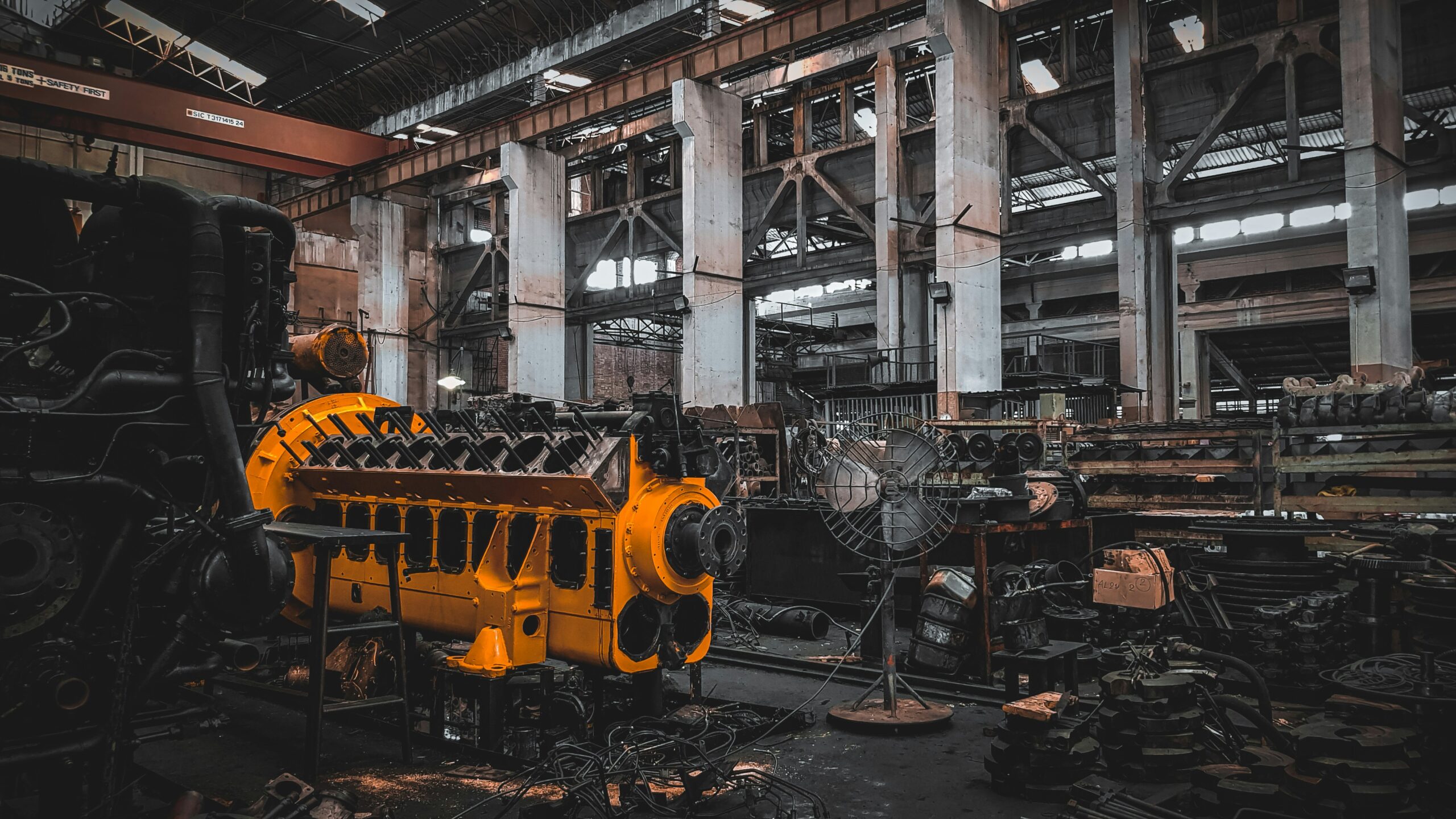
In industrial manufacturing and power generation, the spotlight always lands on the headline project.
A new gigafactory comes online. A hydroelectric dam begins operation .A mining fleet rolls into production. These are the milestones that make press releases.
But from an engineering standpoint, the idea of a single “system” is a convenient fiction.
Join The European Business Briefing
New subscribers this quarter are entered into a draw to win a Rolex Submariner. Join 40,000+ founders, investors and executives who read EBM every day.
SubscribeThere is no monolith. There is no singular machine. What we call a system is, in reality, a dense network of thousands of individual components operating in synchronized dependence. And the uncomfortable truth is this: the reliability of an asset worth hundreds of millions often hinges on parts small enough to fit in your hand.
For Operations Directors and Procurement Officers, this reality forces a massive strategic shift.
A single minute of unplanned downtime in an automotive manufacturing plant burns through thousands of Euros. Data centers face similar catastrophic losses when a single piece of hardware fails.
Purchasing the cheapest available part creates an immense financial liability. The commodity mindset destroys profit margins and endangers operational safety. Continuous operation requires absolute certainty at the component level.
The next era of industrial competitiveness will not be defined solely by OEM innovation. It will be defined by the precision, discipline, and reliability standards of the specialized component suppliers that make those systems possible.
Because in modern industry, resilience is built from the smallest parts outward.
The Safety Architecture and Datasheet Equivalence
When a critical system fails, the root cause usually traces back to a degraded seal, a drifted sensor, or a failed protection mechanism. This reality holds true in high-voltage environments where electrical protection systems play a vital role. A power surge or a ground fault in a mining operation endangers lives and halts production for extended periods.
Procurement teams must recognize the danger of datasheet equivalence. On paper, a generic grounding resistor and a purpose-built unit might share the same voltage rating and resistance value. The real world introduces extreme variables like thermal cycling, seismic vibration, harmonic distortion, and corrosive humidity. An off-the-shelf unit will handle a standard fault in a climate-controlled server room. Placing that same unit in a remote mining operation in the Andes with massive daily temperature swings will cause the internal elements to degrade due to thermal stress.
Overcoming these specific environmental challenges requires stringent sourcing protocols. Procurement teams should only source raw components from certified and guaranteed suppliers. As an example, when securing Neutral Grounding Resistors, buyers look for specialized manufacturers like MegaResistors that back their custom-engineered hardware with explicit compliance standards, including cULus and IEEE certifications, alongside a 24-month warranty.
To an electrical engineer, this device limits fault current to a safe level to protect the electrical equipment in a power system from catastrophic damage during a short circuit. True reliability requires understanding the exact environmental context. A safety component designed for the specific rigors of the site acts as an essential insurance policy for the entire facility.
The Information Infrastructure and Supplier Compliance
Physical hardware requires robust data to verify its reliability. Operating in heavily regulated industrial sectors demands strict adherence to safety and environmental standards. Procurement officers must continuously gather material test reports, ISO 9001 certifications, and declarations for directives like RoHS and REACH.
Gathering this technical documentation through standard email creates significant operational risk. Procurement teams frequently face long email threads where one question is answered while another is completely overlooked. Professionals waste valuable time searching through Dropbox, Drive, and their inboxes every time they need to find a specific file. A single missing test report has the potential to halt an entire production run pending a regulatory audit.
Resolving this administrative bottleneck requires a centralized information infrastructure. Modern manufacturing organizations manage the vendor evaluation phase through dedicated client portal software. Most procurement teams now deploy platforms like Content Snare to plan, request, and approve documents in one single place.
Using a structured platform allows operations teams to provide mistake-proof instructions and requirements directly to their suppliers. Suppliers upload their quality assurance manuals, safety data sheets, and compliance records directly into a secure dashboard. The software then automatically follows up on requests, which eliminates the need to send manual check-in emails. This systematic approach establishes a pristine digital audit trail for every component entering the facility. Building a reliable industrial system requires absolute certainty in the supply chain data.
Lifecycle Data and Long-Term Consistency
Manufacturers calculate the true value of a component through its lifecycle data. The initial purchase price represents only a small fraction of the total financial commitment. Operations directors focus on metrics like Mean Time Between Failures (MTBF), predictive maintenance schedules, and long-term warranty support to understand the complete operational cost over time. High-quality components drastically reduce the frequency of emergency maintenance interventions and costly unplanned downtime.
Industrial infrastructure often operates continuously for decades. A protection device installed today must function perfectly for twenty or thirty years. If a replacement is required a decade later, the supplier must provide an exact, compliant match. Specialized manufacturers excel in this area by maintaining strict legacy support and precise version control for their engineered components.
This predictable consistency secures the entire production environment. Engineering teams can schedule maintenance intervals with high accuracy based on reliable degradation data rather than guesswork. Procurement officers avoid the severe operational disruption of sourcing obsolete parts from unverified secondary markets.
Securing the Industrial Baseline
The strategy of treating industrial components as generic commodities introduces unacceptable risk. A single point of failure can cost millions in downtime and compromise facility safety. Modern procurement focuses entirely on mitigating this systemic risk.
True industrial resilience requires a dual approach. Organizations must demand physical hardware engineered for their specific environmental extremes. They must also deploy strict digital workflows to verify every compliance certificate and test report.
Modern industrial giants operate as integrators. Their massive systems rely completely on the strength of individual parts. Operations leaders build lasting success by partnering directly with specialized and highly verified component suppliers.