





























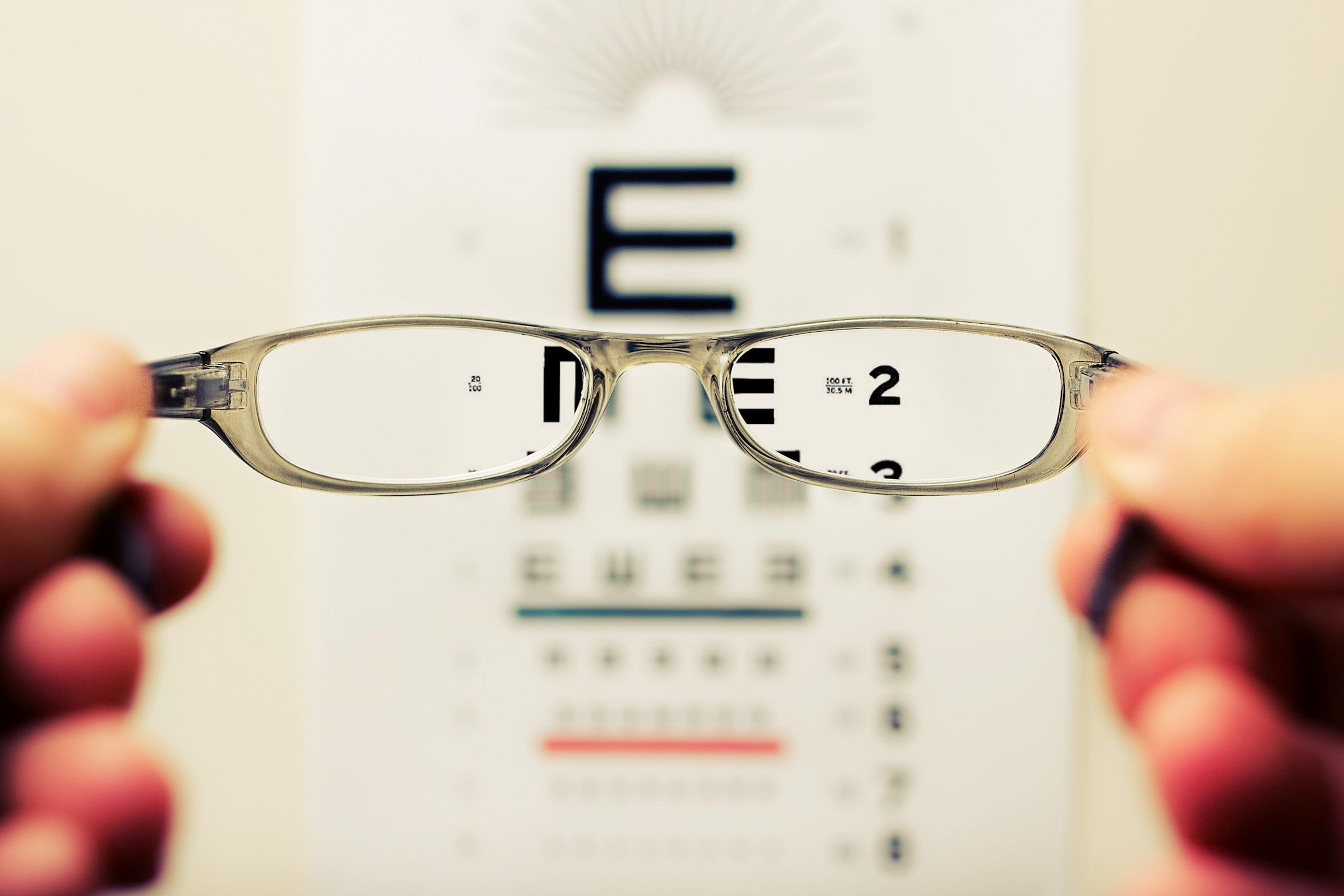
Getting a new pair of glasses might seem as simple as picking a frame you like and ordering them with your prescription. In reality, how well eyeglasses fit your face matters just as much as how they look. Poor fit can lead to discomfort, frequent adjustments, headaches, blurry vision, and even long-term neck strain.
Eyewear that fits correctly feels almost invisible; you barely notice it after a few minutes. But the moment something pinches, slips, presses, or sits unevenly, your glasses start working against you instead of helping you. For everyday wear, work, and activities that demand focus, a proper fit makes a measurable difference in comfort and performance.
This guide walks you through the key fit issues that matter most, what to look for, and why professional measurements are worth it in the long run.
Join The European Business Briefing
New subscribers this quarter are entered into a draw to win a Rolex Submariner. Join 40,000+ founders, investors and executives who read EBM every day.
SubscribeWhy Correct Bridge Fit Prevents Discomfort and Slippage
The bridge is the part of the frame that sits across your nose, and it plays a central role in how glasses feel.
When the bridge fits well, your glasses:
- Sit securely without sliding down
- Distribute weight evenly across the nose
- Avoid pinching or leaving pressure marks
A poorly fitting bridge causes two common problems:
- Slippage — If the bridge is too wide or shallow, your glasses slide down your nose, especially when you’re moving, talking, or bending forward. Constantly pushing them back up becomes an irritating habit.
- Pinching — If the bridge is too narrow or angular for your nose shape, it can dig into the skin, causing soreness, redness, and even headaches behind the eyes.
Bridges vary in shape and size precisely because noses do. Some have a higher, more pronounced nose contour; others are flatter. Frames with adjustable nose pads can be especially helpful because they can be customized after purchase, while other styles use a molded plastic bridge that needs to fit naturally from the start.
When trying on glasses, wiggle them gently up and down. If they shift easily, the bridge may not be right for you. A secure but comfortable fit here is essential before you even consider other fit points.
How Temple Length and Curve Affect Stability and Pressure Points
After the bridge, the next major fit factors are the temples: the arms that extend over your ears.
Temple fit influences:
- Stability during movement
- How glasses feel when you talk or turn your head
- Whether pressure builds up behind your ears
Two features to pay attention to:
Temple Length
Temples that are too short cause pressure behind the ears and can make the glasses feel tight or painful after even short wear. Temples that are too long provide little support, allowing the glasses to shift or fall forward.
Temple Curve
Many frames have a slight curve at the ends so they bend down toward your ears. This curve helps ‘hook’ the glasses in place without squeezing too tightly. If the curve is too aggressive, it can press into your head and cause discomfort. If there’s too little curve, the glasses won’t feel anchored and may slide when you move.
When glasses fit well around the temples:
- They stay stable even during physical activity
- There’s no persistent pressure behind the ears
- You can wear them for long hours without adjusting
A good test is to turn your head quickly side to side. Properly fitted glasses should stay put without rocking or sliding.
What Signs Indicate Glasses Are Too Tight or Too Loose
It’s one thing to guess if glasses feel comfortable in the store, and another to notice what your body tells you after a few hours of wear. Here are common signs that your glasses aren’t fitting right:
Signs Frames are Too Tight
- Pressure marks on the sides of the head or temples
- Headaches near the temples or behind the eyes
- Redness or dents above the ears
- Constant feeling of tightness or discomfort
Frames that are too narrow or have too much inward temple tension squeeze the head uncomfortably. Even if they feel okay for a few minutes, the discomfort builds over hours.
Signs Frames are Too Loose
- Glasses sliding down your nose repeatedly
- Temples not resting securely over your ears
- Frames shifting when you bend forward
- Vision misalignment when the frames shift
Loose frames not only feel unreliable, they also affect how you see. When glasses shift out of their intended position, the optical center of your lenses can move relative to your eyes, causing blurry vision or strain.
Comfort should be about more than “almost okay.” If you notice any of these signs, the fit is likely worth adjusting.
How Proper Alignment Affects Visual Clarity and Lens Performance
Fit doesn’t just influence comfort, it directly impacts how well your lenses work.
Every eyeglass lens has an optical center; the point where vision correction is most accurate. If your eyes are not aligned with that center, you may experience:
- Blurry or distorted vision
- Increased eye fatigue
- Headaches or visual strain
- Difficulty focusing at different distances
Proper alignment means:
- The frames sit at the right height on your nose
- The temples don’t tilt the frames inward or outward
- The lenses are positioned in front of your eyes exactly as intended during measurement
Even premium lenses with advanced coatings or progressive designs will feel off if the fit places the optical zones in the wrong place. That’s why a good fit isn’t a nice extra — it’s essential for your glasses to do their job effectively.
Why Professional Measurements Ensure the Most Comfortable Fit
Many people assume that the numbers in their prescription are the only measurements that matter. In fact, frame fit measurements are just as important.
Professional fit measurements typically include:
- Pupillary distance (PD): The distance between your pupils, essential for centering lenses
- Bridge width: Ensures the glasses sit at the right height and don’t slide
- Temple length: Customized to your head size for comfort
- Frame width: Matches the overall width of your face
Retailers and opticians use these precise measurements to match frames to your face shape and proportions, so the glasses feel balanced and stable.
Without these measurements, glasses may look fine but never sit correctly; leading to long-term discomfort and visual compromise.
This is especially true for specialty men’s eyeglasses, where proportions and angles can vary dramatically across styles. A frame that looks great in the mirror may still need professional fitting to ensure it performs well all day.
Final Thoughts
Fit matters. More than style, more than color, and more than price, how well your eyeglasses fit your face determines both comfort and visual performance. The right bridge fit prevents slippage and pressure, the right temple configuration keeps glasses stable without pinching, and proper alignment ensures lenses work as intended.
If you want glasses you can wear all day with confidence — without adjusting them every few minutes — paying attention to fit issues is essential. Professional measurements aren’t a luxury; they’re a foundation for eyeglasses that support both your vision and your lifestyle.