



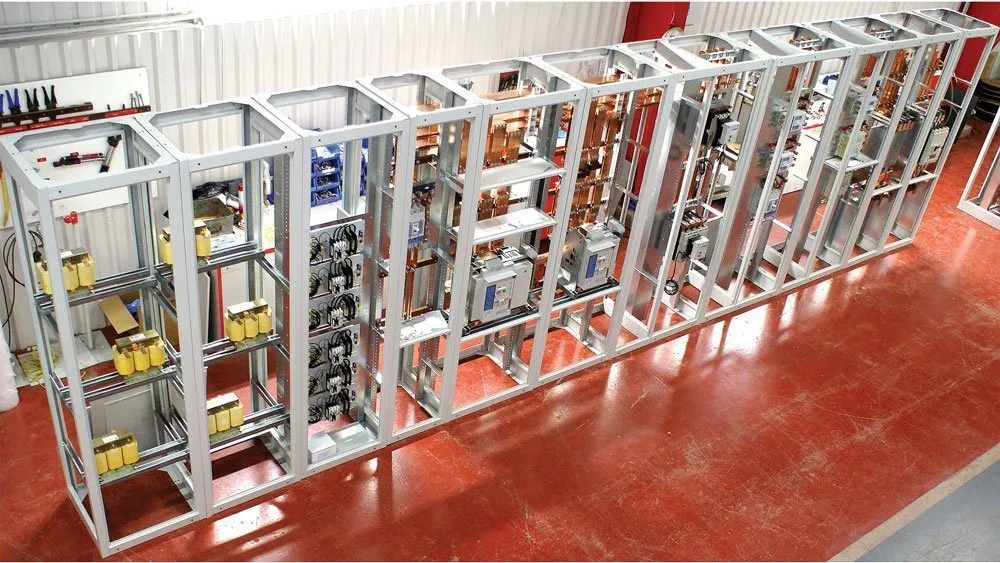
In the rapidly evolving technological landscape, businesses must continually innovate to remain competitive and efficient. One significant advancement transforming business infrastructures is the development and integration of low-voltage (LV) switchboards. These modern electrical devices offer a plethora of benefits, from improved energy efficiency to enhanced safety and reliability, making them essential in various commercial and industrial settings. This blog explores the revolution of LV switchboards, highlighting their impact on business infrastructures and their role in driving innovation and sustainability.
Technological Advancements in LV Switchboards
LV switchboards are electrical distribution devices designed to manage, control, and protect electrical systems in buildings and industrial facilities, operating at low voltage. Historically, these switchboards were manually operated, requiring constant monitoring and maintenance. However, with digital technology and IoT integration, modern LV switchboards have become highly automated, featuring advanced monitoring, control, and diagnostic capabilities. They now incorporate digital interfaces and microprocessor-based control units, enabling real-time monitoring and remote management. IoT-enabled sensors provide continuous performance data, facilitating proactive maintenance and reducing downtime. Additionally, integration with building management systems optimizes energy consumption and operational efficiency, marking a significant leap in electrical distribution technology.
Key Features and Benefits of Modern LV Switchboards
Modern LV switchboards are engineered with advanced features that significantly enhance safety, energy efficiency, reliability, scalability, and monitoring capabilities. Safety is paramount, with circuit breakers, residual current devices (RCDs), and arc fault detection systems ensuring prompt fault disconnection and fire prevention. They contribute to energy efficiency through real-time load monitoring and automated demand response, optimizing consumption and reducing costs. Reliability is ensured with redundant designs and fail-safe mechanisms, providing continuous power even under harsh conditions. Their scalable and flexible designs accommodate business growth and evolving electrical needs. The integration of digital technology and IoT facilitates advanced monitoring and control, offering real-time data access, proactive maintenance, predictive analytics, and fault diagnosis to ensure optimal performance and minimize downtime.
Join The European Business Briefing
New subscribers this quarter are entered into a draw to win a Rolex Submariner. Join 40,000+ founders, investors and executives who read EBM every day.
SubscribeTransforming Business Infrastructures
The integration of LV switchboards in business infrastructures is revolutionizing how electrical systems are managed and operated. Below are some key areas where LV switchboards are making a significant impact:
Commercial Buildings
In commercial buildings, LV switchboards play a critical role in managing power distribution efficiently. They ensure reliable power supply to essential systems such as lighting, HVAC, and IT equipment. The ability to monitor and control energy consumption in real-time allows building managers to implement energy-saving measures and achieve sustainability goals.
Industrial Facilities
Industrial facilities require robust and reliable electrical systems to support heavy machinery and production lines. LV switchboards provide the necessary protection and control, minimizing the risk of downtime due to electrical faults. The advanced monitoring capabilities also help in optimizing energy usage, reducing operational costs, and enhancing overall productivity.
Data Centers
Data centers are highly sensitive to power interruptions and require a continuous and stable power supply. LV switchboards in data centers ensure uninterrupted power distribution, supporting critical IT infrastructure. The redundancy and fail-safe features of modern LV switchboards provide additional layers of security, safeguarding against power outages and ensuring data integrity.
Healthcare Facilities
In healthcare facilities, the reliability of electrical systems is crucial for patient safety and the operation of medical equipment. LV switchboards ensure a stable power supply to critical areas such as operating rooms, intensive care units, and diagnostic labs. The advanced monitoring and fault detection features help in maintaining high standards of electrical safety and reliability.
Challenges and Considerations
Integrating new technologies into existing infrastructures and workflows requires seamless compatibility and interoperability. Adhering to regulatory requirements and standards is essential when deploying innovative solutions in commercial ventures, particularly in highly regulated industries such as healthcare and finance. Cybersecurity risks also pose significant challenges, requiring robust measures and protocols to protect sensitive data and systems from potential vulnerabilities and cyber threats. Addressing these challenges proactively ensures that technological innovations contribute effectively to business growth and sustainability.
The Future of LV Switchboards
The future of LV switchboards is poised for continued innovation and advancement. As industries increasingly adopt digital transformation and disruptive technologies, LV switchboards will evolve to incorporate even more sophisticated features and capabilities.
AI and Machine Learning
The integration of artificial intelligence (AI) and machine learning into LV switchboards will transform how electrical systems are managed. These technologies will enable predictive maintenance, automated fault detection, and optimized energy management, further enhancing efficiency and reliability.
IoT Connectivity
The continued development of smart infrastructure and IoT connectivity will enable seamless integration of various sensors and devices, facilitating centralized control and data collection. This integration will support dynamic power management, efficient resource allocation, and enhanced operational visibility, critical for reducing costs and improving service delivery.
Blockchain
Implementing blockchain technology in LV switchboards will ensure transparency, traceability, and security in power distribution and data sharing. This innovation will build trust among stakeholders and reduce risks related to fraud and data breaches.
Ensuring Safety and Regulatory Compliance
Modern LV switchboards are designed with stringent safety features that meet international standards, such as IEC and UL certifications. These include enhanced fault protection, fire resistance, and secure enclosures to prevent accidental contact. Their design also incorporates advanced circuit protection technologies and robust insulation materials that enhance safety and durability. Compliance with these rigorous safety standards not only prevents operational disruptions but also safeguards businesses against legal and financial repercussions associated with safety violations. By adhering to these norms, businesses can ensure a safer working environment while maintaining high standards of operational integrity and reliability.
Conclusion
The revolution of LV switchboards is transforming business infrastructures, driving innovation, and promoting sustainability. By enhancing safety, improving energy efficiency, ensuring reliability, and enabling advanced monitoring and control, modern LV switchboards are essential for the efficient operation of electrical systems in various commercial and industrial settings. Strategic partnerships and collaborations further accelerate this transformation, bringing together complementary strengths and expertise to tackle complex challenges and capitalize on emerging opportunities. As technology continues to advance, LV switchboards will play a crucial role in shaping the future of business infrastructures, leading to a greener and more sustainable world.

