

























Quick Answer: The US-Iran conflict entered a dangerous new phase as Israel allegedly assassinated Iran’s intelligence chief in Tehran, Iranian forces claimed strikes on Israeli refineries and a US F-35 stealth jet, Saudi Arabia intercepted drones targeting Aramco’s last major export refinery, and Brent crude surged past $116. Six allied nations issued a joint statement on Hormuz security as the US approved $15.2 billion in emergency arms transfers to Gulf states.
Eight hours can change a war. The overnight developments in the US-Iran conflict represent the most significant single escalation since the conflict began — a cascade of strikes, counter-strikes, intelligence failures and diplomatic signals that collectively suggest the situation is moving faster and further than any party appears to have planned for.
The Strike on Tehran
Join The European Business Briefing
New subscribers this quarter are entered into a draw to win a Rolex Submariner. Join 40,000+ founders, investors and executives who read EBM every day.
SubscribeThe most consequential development is the alleged Israeli strike on Iran’s intelligence minister in Tehran. The man whose entire function was to anticipate and prevent exactly this kind of operation — reportedly didn’t see it coming. If confirmed, this represents a catastrophic failure of Iranian internal security and removes one of the key figures responsible for coordinating Iran’s response to the conflict. It also signals that Israel’s long-range strike capability inside Iran remains intact and active, operating independently of — and apparently beyond — US instructions.
Trump this week told Netanyahu to stop attacking oil and gas facilities. “And he will not do that anymore,” Trump said. The intelligence minister strike suggests the operational relationship between Washington and Jerusalem is more complex than that statement implies.
Refineries, F-35s and Drone Convoys
The IRGC claims to have struck Israel’s Haifa and Ashdod refineries with cluster munitions — a significant escalation in both target selection and munition type if confirmed. Iran also claims to have damaged a US F-35 stealth fighter, with reports of an emergency landing following suspected Iranian air defence engagement. An F-35 represents approximately $80 million of US military hardware. If Iran has demonstrated the ability to damage one — even once — it changes the risk calculus for US air operations over Iranian territory.
Meanwhile a large convoy of trucks departed Tajikistan for Iran, officially described as humanitarian aid. Iran operates drone manufacturing facilities in Tajikistan. The timing and scale of the convoy has drawn immediate attention from intelligence agencies across the region.
The Gulf Is Being Rearmed at Speed
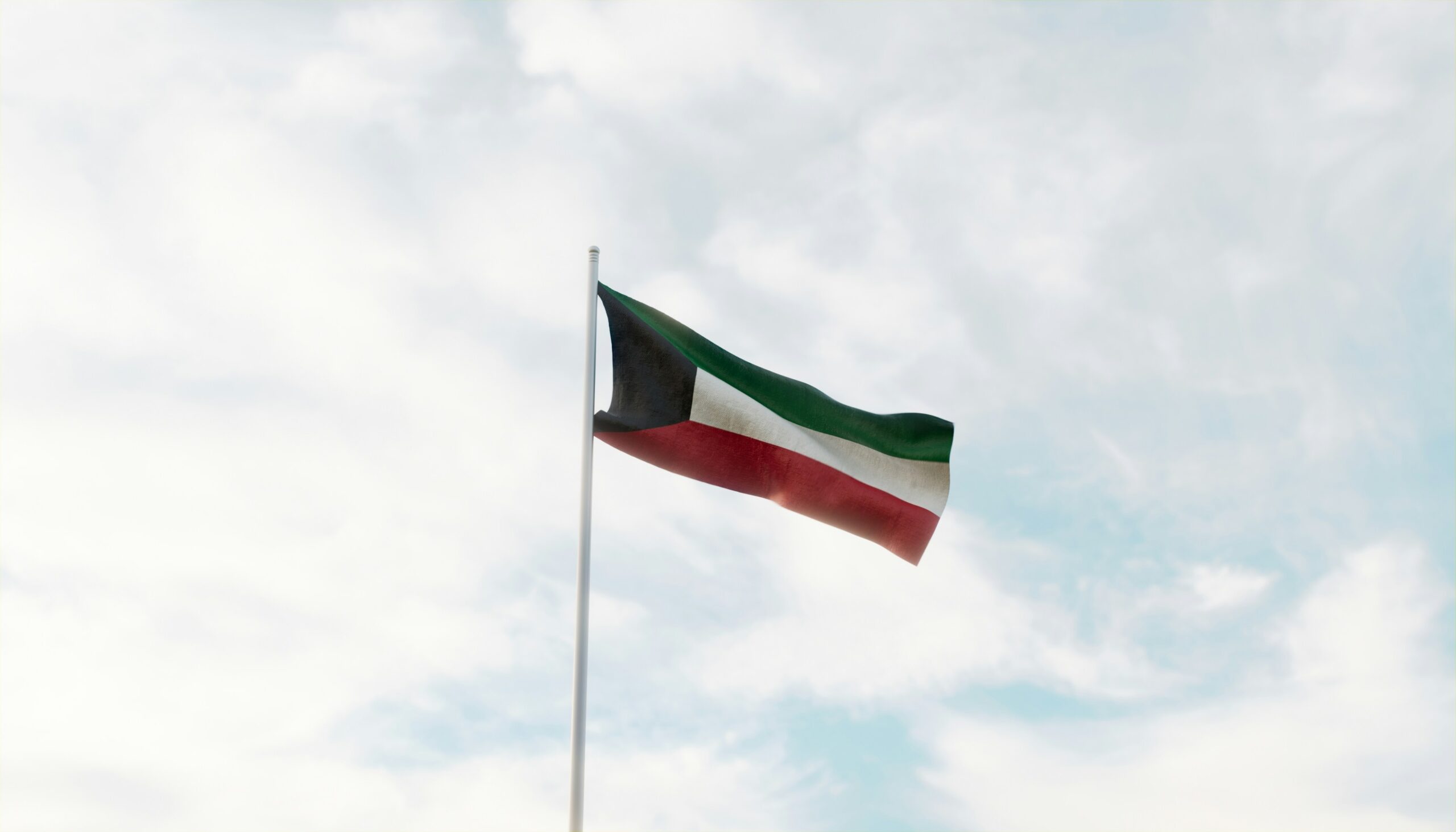
The US approved $15.2 billion in emergency arms transfers to the UAE, Kuwait and Jordan overnight — THAAD missile defence systems, F-16 upgrades and advanced radar installations. This is not routine military sales processing. This is the rapid arming of the entire Gulf region in real time, reflecting a US assessment that the threat environment has escalated beyond what current Gulf defence infrastructure can absorb.
Saudi Arabia intercepted three drones in its Eastern region — the heart of its oil infrastructure — on the same night Iran targeted the SAMREF refinery in Yanbu, one of only two major Saudi export outlets still operating. The attack on Ras Laffan removed Qatar’s primary export capacity. A successful strike on SAMREF would remove one of the last remaining functioning energy export nodes in the Gulf.
Markets and Diplomacy
Brent crude surged past $116 as the overnight developments hit Asian markets. Bitcoin fell below $69,000 as risk-off sentiment spread across asset classes. Japan’s Prime Minister warned that the global economy is about to experience a significant hit — a rare direct statement from Tokyo that reflects how exposed Asian energy importers are to a prolonged Gulf disruption.
Six nations — the UK, France, Germany, Italy, the Netherlands and Japan — issued a joint statement expressing readiness to help secure the Strait of Hormuz. This is the first formal multilateral security commitment to Hormuz since the conflict began and represents a significant shift from individual national statements to coordinated allied positioning.
Trump, asked about the military situation, said: “Their Navy is gone. Their Air Force is gone. Their anti-aircraft equipment is gone. We’re flying wherever we want. Nobody is even shooting at us.” Then: “We could end this in 2 seconds.” Asked about troops: “I’m not putting troops anywhere.” Pause. “If I did, I wouldn’t tell you.”
The economic war that began with Ras Laffan now has a military escalation running alongside it that no financial model has yet priced. The next 24 hours will determine whether last night was a peak or a prelude.