



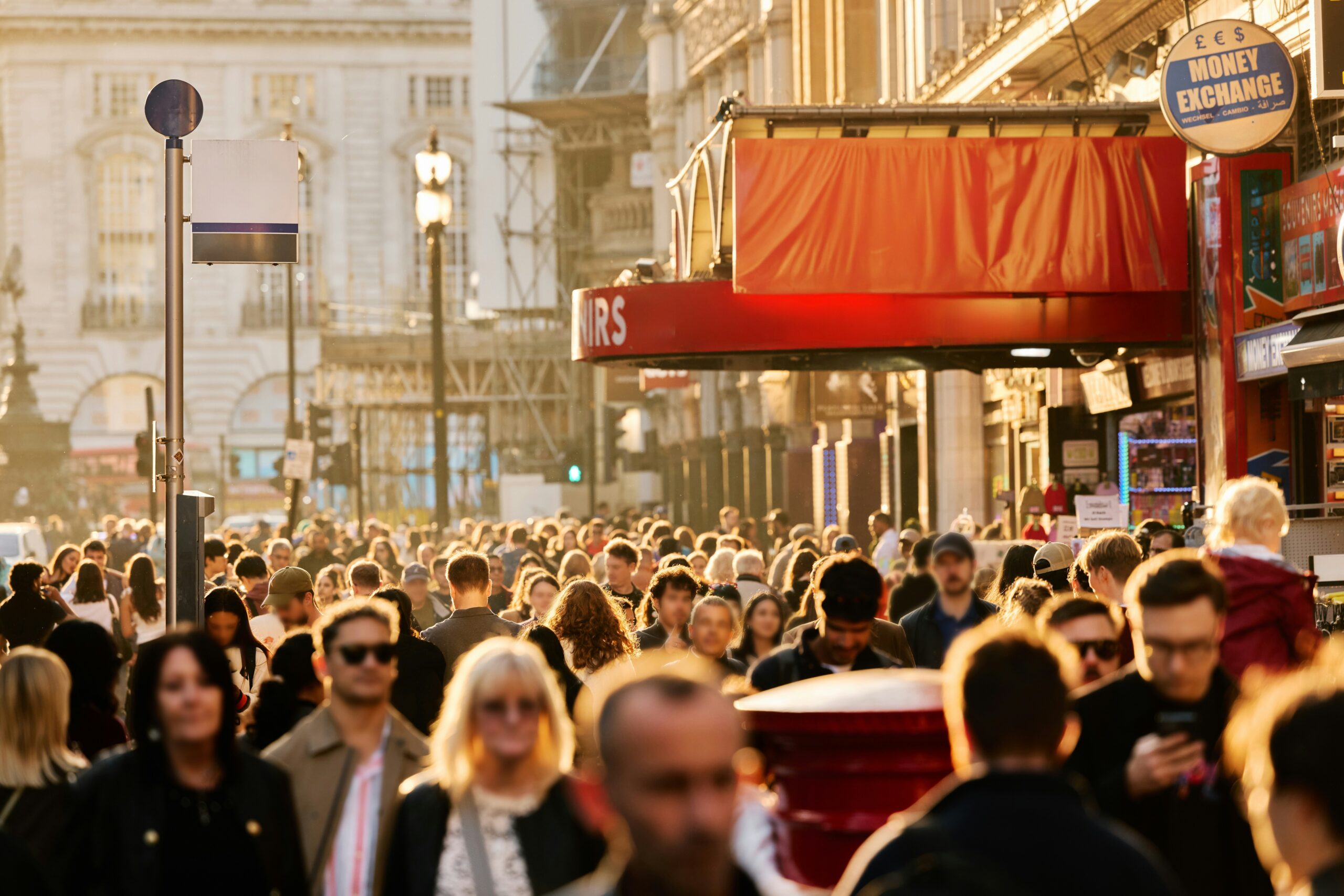
Businesses, particularly those in retail, hospitality, and urban service sectors, often face the challenge of managing public spaces outside their premises. While some foot traffic can be beneficial, anti-social loiterers (individuals who congregate without purpose) who engage in disruptive behavior or create an intimidating environment can significantly impact both the customer experience and overall business performance.
Addressing this issue proactively not only enhances safety but also delivers tangible business benefits, as shown in the following article.
Improved Customer Experience and Loyalty
Join The European Business Briefing
New subscribers this quarter are entered into a draw to win a Rolex Submariner. Join 40,000+ founders, investors and executives who read EBM every day.
SubscribeOne of the most immediate impacts of anti-social loitering is its effect on customers. Patrons may feel uncomfortable or unsafe if they encounter aggressive, disruptive, or even threatening individuals near entrances, walkways, or parking areas. This discomfort can discourage repeat visits, reduce dwell time, and ultimately lead to lost revenue.
By cracking down on anti-social loiterers, businesses create a more welcoming and secure environment. When customers feel safe and valued, they are more likely to spend longer periods on-site, make repeat purchases, and recommend the business to others. In essence, managing loitering is not just about security, it is a customer retention strategy.
Enhanced Employee Morale and Productivity
Employees are on the front lines of any business and are often the first to deal with loiterers. Repeated exposure to disruptive behavior can lead to stress, decreased morale, and even staff turnover. Staff who feel unsafe or unsupported are less productive and less likely to provide high-quality service.
By taking measures to deter anti-social behavior, businesses signal to employees that their safety and work environment are priorities. This can improve morale, reduce absenteeism, and enhance overall workplace productivity. A safe and orderly environment also allows employees to focus on their core responsibilities rather than managing conflicts with loiterers.
Protection of Property and Assets
Anti-social loitering is often linked to property damage, vandalism, and petty theft. These incidents not only result in direct financial losses but can also increase insurance premiums and tarnish a business’s reputation.
Implementing measures to control loitering, such as improved lighting, surveillance, and physical deterrents, helps safeguard both property and inventory. For instance, modern solutions like the Mosquito anti loitering device use high-frequency sound to discourage unwanted congregations in a non-invasive and effective way. These devices provide a practical, low-maintenance option for businesses looking to protect their assets without resorting to aggressive tactics.
Compliance and Liability Reduction
Businesses also face legal and regulatory considerations regarding public safety. Allowing anti-social behavior to persist unchecked can expose a company to liability claims if someone is harmed on the premises. Municipal regulations in some areas may require businesses to maintain a safe environment for patrons and staff.
By actively addressing loitering issues, businesses reduce potential legal risks and demonstrate due diligence in maintaining safe public spaces. This proactive stance can be beneficial not only from a liability perspective but also in terms of public relations, as communities increasingly value responsible business practices.
Boosting Brand Reputation
A business’s reputation is closely tied to the environment it cultivates. A property known for safety, orderliness, and proactive management of anti-social behavior attracts positive attention, while venues associated with loitering problems may experience declining foot traffic and negative reviews.
Businesses that successfully mitigate loitering send a strong message that they care about their customers, employees, and community. This strengthens brand image and can even become a differentiating factor in competitive markets.

