




























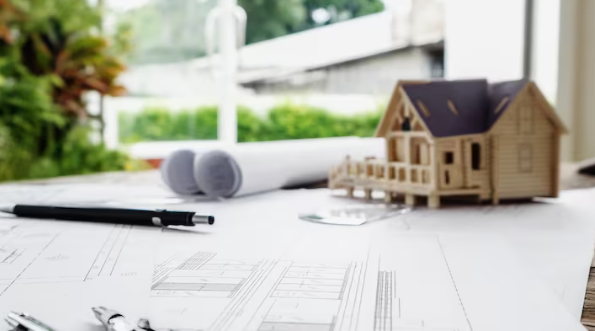
Architecture has always been about more than walls, roofs, and materials. It is about ideas, experiences, and the way people move through space. Yet for decades, one of the biggest challenges in architectural design has been communicating those ideas clearly before a project is built. Visual storytelling is changing that dynamic entirely, allowing architects, clients, and communities to understand design intent in ways that were once impossible.
This transformation is not just about better visuals. It is about solving long-standing communication problems, reducing uncertainty, and creating a shared narrative around architectural projects from the very beginning.
The Communication Gap in Traditional Architectural Design
Architectural design has historically relied on technical drawings, floor plans, elevations, and written specifications. While these tools are essential, they often fail to communicate the full experience of a space to non-professionals.
Join The European Business Briefing
New subscribers this quarter are entered into a draw to win a Rolex Submariner. Join 40,000+ founders, investors and executives who read EBM every day.
SubscribeClients may struggle to interpret scale, lighting, spatial flow, or how different elements work together. This gap frequently leads to misunderstandings, late-stage design changes, and frustration on all sides. Even experienced stakeholders can find it difficult to imagine how a static drawing will translate into a lived environment.
The problem becomes more pronounced in complex projects, where multiple functions, materials, and spatial relationships must coexist. Without a clear shared vision, architectural intent can easily be lost.
Visual Storytelling as a Solution to Design Misunderstanding
Visual storytelling addresses this challenge by turning abstract ideas into coherent narratives. Instead of presenting isolated drawings, architects can now tell a story about how a space will look, feel, and function over time.
This approach focuses on context, movement, and atmosphere. It allows viewers to understand not only what a building looks like, but how it is experienced. By connecting visuals into a sequence, design decisions become easier to follow and more intuitive.
Visual storytelling shifts architectural communication from technical explanation to experiential understanding, making design accessible without oversimplifying it.
The Evolution of Architectural Visualization
Architectural visualization has evolved dramatically over the past two decades. Early digital renderings focused primarily on realism, often emphasizing materials and lighting without fully addressing human interaction or narrative flow.
Today, visualization goes beyond static images. It integrates motion, perspective changes, environmental conditions, and human presence. These elements work together to create a story that unfolds visually, reflecting how people actually engage with architecture.
This evolution has been driven by better tools, higher expectations from clients, and a growing recognition that design communication is as important as design itself.
How Visual Narratives Improve Design Decision-Making
One of the most powerful impacts of visual storytelling is its influence on decision-making. When stakeholders can clearly see and understand a design, they are better equipped to provide meaningful feedback.
Visual narratives highlight potential issues early in the process, such as awkward circulation paths, insufficient natural light, or unclear transitions between spaces. Addressing these concerns at an early stage saves time, reduces costs, and minimizes the need for revisions later.
By making design consequences visible, visual storytelling supports more informed and confident decisions.
Bridging the Gap Between Architects and Clients
A recurring challenge in architectural projects is aligning professional vision with client expectations. Clients often know how they want a space to feel, but struggle to articulate that feeling in technical terms.
Visual storytelling acts as a bridge between these perspectives. Through carefully crafted visuals, architects can demonstrate how design choices translate into real-world experiences. Clients, in turn, can respond based on what they see rather than what they imagine.
This shared visual language fosters trust, reduces miscommunication, and leads to more collaborative relationships throughout the project lifecycle.
The Role of 3D Visualization in Architectural Storytelling
Three-dimensional visualization plays a central role in modern architectural storytelling. Unlike traditional drawings, 3D visuals provide depth, perspective, and spatial clarity.
Through realistic imagery and animations, architects can showcase materials, textures, lighting conditions, and spatial relationships with remarkable accuracy. This makes it easier to evaluate design options and compare alternatives.
In many cases, 3D rendering services are used to transform conceptual ideas into compelling visual narratives that align design intent with audience understanding.
Experiencing Space Before It Exists
One of the most transformative aspects of visual storytelling is the ability to experience architecture before it is built. Instead of imagining how a space might feel, viewers can explore it visually.
A 3D architectural walkthrough allows users to move through interiors and exteriors, observing how spaces connect and how design elements interact. This immersive experience helps identify strengths and weaknesses that may not be apparent in static visuals.
By simulating real-world interaction, architects can refine designs based on experiential feedback rather than assumptions.
Solving Design Approval Delays
Design approval delays are a common problem in architectural projects. Unclear communication often leads to repeated revisions, prolonged discussions, and stalled progress.
Visual storytelling reduces these delays by providing clarity upfront. When stakeholders can see the full scope of a design, approvals become faster and more decisive. Visual narratives leave less room for interpretation, minimizing uncertainty and hesitation.
This efficiency benefits not only architects and clients but also contractors and consultants who rely on clear design intent.
Enhancing Collaboration Across Design Teams
Modern architectural projects involve multidisciplinary teams, including engineers, interior designers, landscape architects, and urban planners. Coordinating these perspectives can be challenging when communication relies solely on technical documentation.
Visual storytelling provides a common reference point for collaboration. Shared visuals help teams understand how their contributions fit into the overall design narrative.
By aligning everyone around a unified vision, visual storytelling reduces conflicts and supports cohesive project development.
Supporting Sustainable and Contextual Design Choices
Sustainability and contextual sensitivity are increasingly important in architectural design. However, explaining these considerations through text and diagrams alone can be difficult.
Visual storytelling allows architects to demonstrate how buildings respond to climate, light, surroundings, and human behavior. Environmental strategies become visible rather than abstract.
This clarity helps stakeholders appreciate the value of sustainable design choices and supports informed discussions about long-term impact.
Reducing Risk and Cost Through Early Visualization
Unclear design intent can lead to costly mistakes during construction. Misinterpretations often result in rework, delays, and budget overruns.
By visualizing designs in detail before construction begins, potential issues can be identified and resolved early. Visual storytelling acts as a form of risk mitigation, reducing uncertainty and improving predictability.
This proactive approach benefits both project timelines and financial outcomes.
The Emotional Impact of Architectural Storytelling
Architecture is not purely functional; it is emotional. Spaces influence mood, behavior, and well-being. Traditional documentation rarely captures this emotional dimension.
Visual storytelling allows architects to convey atmosphere, scale, and ambiance in ways that resonate emotionally. By showing how light changes throughout the day or how people interact within a space, visuals evoke feeling as well as understanding.
This emotional connection strengthens engagement and helps stakeholders connect with the design on a deeper level.
Visual Storytelling as a Competitive Advantage
In an increasingly competitive architectural landscape, clear and compelling communication matters. Visual storytelling differentiates design proposals by making them memorable and easy to understand.
Projects that tell a strong visual story are more likely to gain support, secure approvals, and inspire confidence. This advantage is not about embellishment, but about clarity and connection.
By presenting architecture as an experience rather than a set of drawings, visual storytelling elevates the entire design process.
Overcoming Resistance to New Visualization Methods
Despite its benefits, some professionals remain hesitant to fully embrace visual storytelling. Concerns may include cost, time investment, or reliance on technology.
However, these concerns often fade once the practical advantages become clear. Improved communication, fewer revisions, and stronger stakeholder alignment typically outweigh initial challenges.
As expectations evolve, visual storytelling is becoming less of an option and more of a standard practice.
The Future of Architectural Design Communication
Visual storytelling is reshaping how architecture is conceived, communicated, and realized. As tools continue to improve, the line between design and experience will become even more fluid.
Future developments are likely to emphasize interactivity, personalization, and real-time feedback. These advances will further strengthen the role of visual narratives in shaping architectural outcomes.
Ultimately, visual storytelling is not replacing traditional design methods but enhancing them, ensuring that ideas are understood as they were intended.