



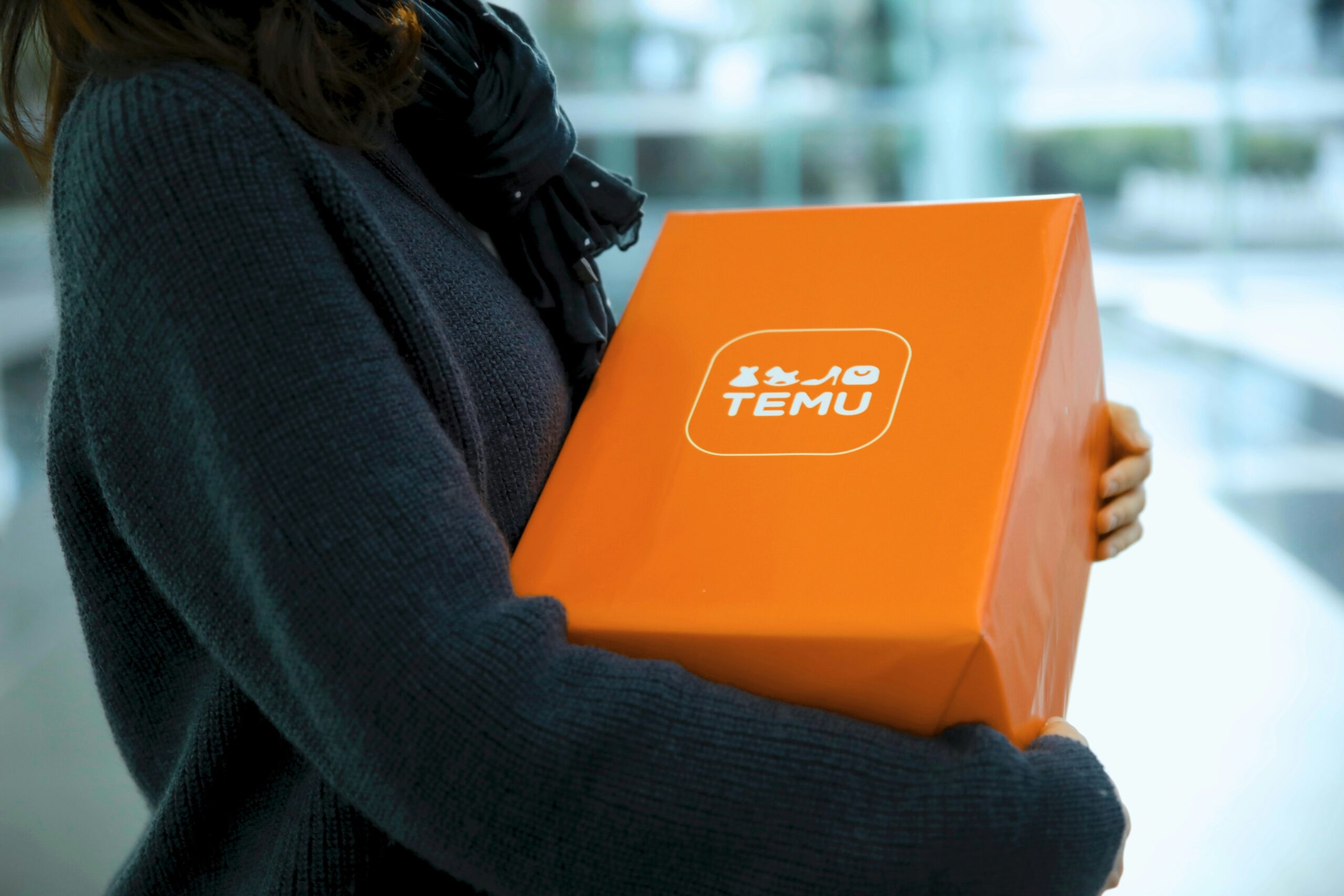
From German table linens to Neapolitan espresso capsules, small European manufacturers are using Temu to reach new customers while keeping production local
AMF Creation founder Marcus Fochler saw sales take off after joining Temu.
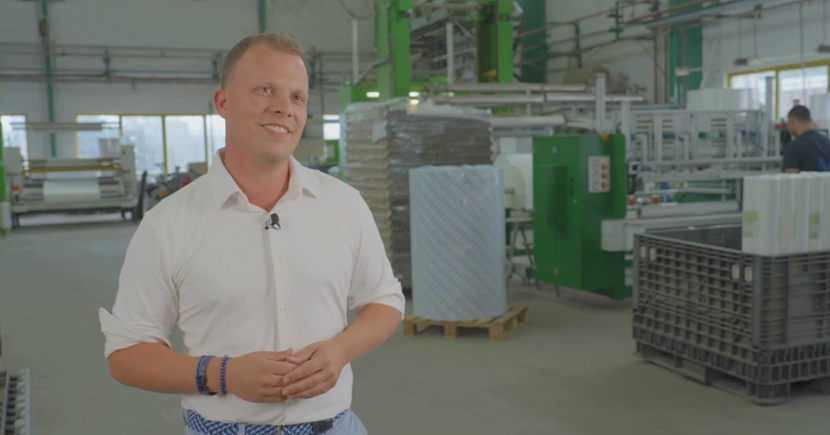
But sales plateaued. The online marketplaces Fochler relied on kept raising advertising costs while delivering fewer customers. In a country where two in three people shop online, his products weren’t reaching buyers.
Join The European Business Briefing
New subscribers this quarter are entered into a draw to win a Rolex Submariner. Join 40,000+ founders, investors and executives who read EBM every day.
SubscribeWhen Temu began inviting German sellers to join its platform in 2024, AMF Creation was among the first to sign up. Within days of listing, daily orders jumped from zero to 100.
“It turned out the problem wasn’t the products. It was where they were being sold,” Fochler said.
Fochler’s experience is shared by many small manufacturers across Europe. Consumers moved online fast: 77% of European internet users bought goods or services online in 2024, up from 59% a decade earlier, according to Eurostat. But many small producers still lack the digital infrastructure to follow them.
Temu’s Local Seller Program, launched in Europe in 2024, connects these businesses to buyers. The program is active in more than 30 markets and lets businesses list, sell and ship products within their own countries while reaching millions of European consumers.
As the program expands, Temu has invested US$100 million (about €85 million) in compliance and product safety in 2025, with plans to double that in 2026, to help local sellers meet verification and regulatory standards.
Selling nationwide
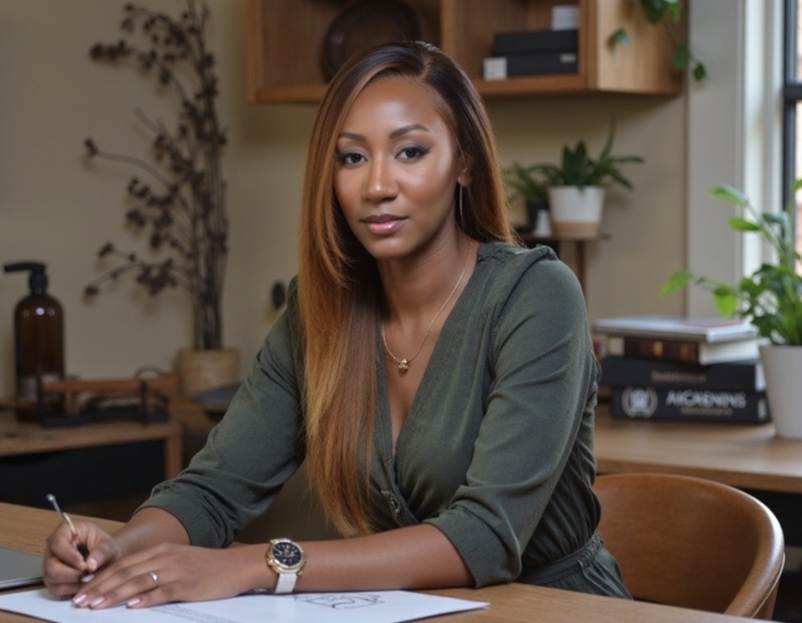
In France, Syra Traore spent years building Karité Mix, a skincare brand rooted in her family’s shea butter traditions from Mali.
As a teenager struggling with skin problems, she saw results after using shea butter. She went on to complete cosmetic formulation training and develop a product line that meets French regulatory standards.
Before Temu, Karité Mix grew through in-person beauty events and word-of-mouth, mostly around the Paris region. But sales stayed small and geographically limited. The Temu model has rewritten the economics of global e-commerce in under three years, and its implications for European retail and manufacturing are still being worked out.
After Traore joined the platform, monthly revenue more than doubled within three months. The platform now generates about 65% of Karité Mix sales, with customers now ordering from across France.
“It quickly became our fastest-growing channel and helped us reach customers nationwide,” Traore said.
Around 70% of Karité Mix products contain shea butter, including shampoos, hair masks and creams. The products are made in partnership with certified French laboratories. The raw shea butter is handmade by women in her parents’ village, then shipped to France for formulation.
Forrester Research forecasts that e-commerce will drive half of Europe’s retail growth by 2030, with platforms such as Temu contributing to the expansion. But that depends on small businesses getting online.
A Neapolitan roaster goes digital
Caffè Barbaro found new and younger buyers on Temu.
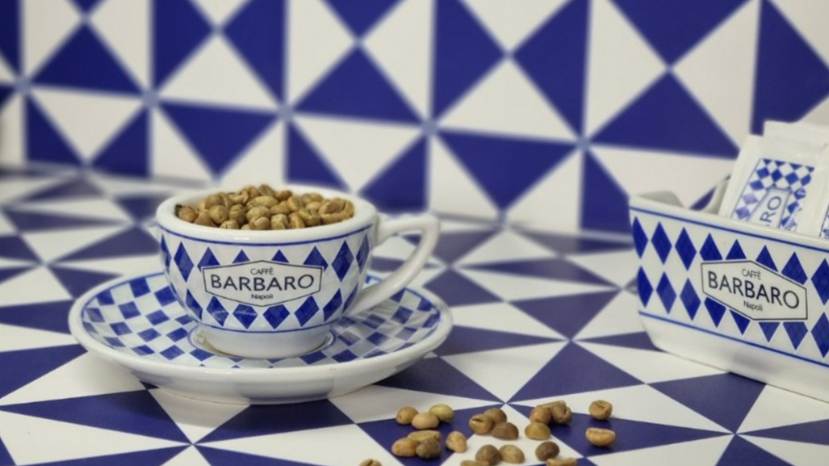
In late 2024, Iovine opened a store on Temu. Demand for the company’s coffee capsules quickly took off.
“We’ve always been strong in southern Italy, but Temu helped us reach people we weren’t reaching through supermarkets or traditional shops,” Iovine said.
The platform also brought in younger buyers who don’t typically shop at traditional grocers, he said.
Scaling up
The three sellers are already planning their next moves. Fochler is expanding AMF Creation’s catalog, Traore is looking to strengthen nationwide distribution, and Iovine is planning to sell Caffè Barbaro products overseas.
Other European producers, such as Spanish olive oil makers and Iberian ham curers, are also finding customers through Temu while keeping production in their home regions.
For these European manufacturers, the question is no longer whether to go digital. It’s how to do it without losing what makes them distinctive.
“Technology is changing the way we deliver our coffee, but our craftsmanship will forever define its soul,” Iovine said.

