





























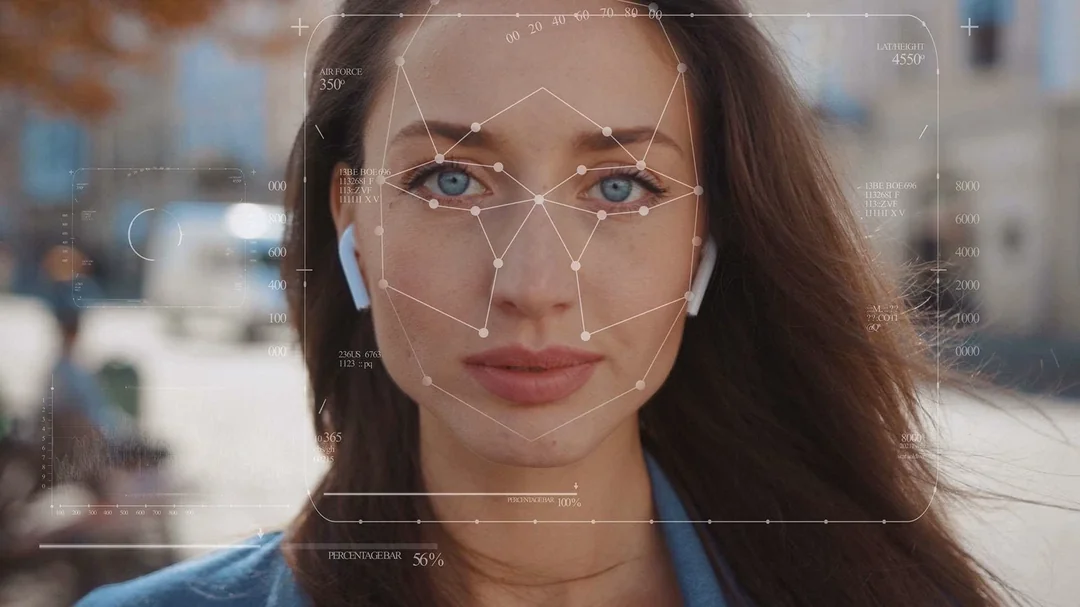
AI is changing the way the world works in numerous ways, but AI visuals, especially photos, are making people question reality itself. AI is being used to generate lifelike images and videos known as deepfakes. The fake images look so realistic that they are convincing people that untrue things happened, and this is having a significant impact on the business environment, in particular.
Ads Are Becoming More Dynamic and Exciting
With the creation of AI, it is now possible to create realistic models and animations rapidly. Companies can release high-quality simulations that they can use for advertising. Now that a full team of animators isn’t required to create short and impressive animations, more companies are relying on dynamic product simulations to showcase new products. They are also simulating people in interesting ways that help make ads more exciting than ever.
AI enhances ads by:
Join The European Business Briefing
New subscribers this quarter are entered into a draw to win a Rolex Submariner. Join 40,000+ founders, investors and executives who read EBM every day.
Subscribe- Allowing companies to create stunning visuals affordably
- Replacing costly models and actors for commercials
- Enabling the creation of highly individual commercials
Crazy situations can be simulated to show off products in new ways and to shock viewers. Ads can take viewers anywhere, and with deepfake technology, it’s possible to bring people back from the dead or to simulate celebrities. This technology is changing the way advertisements look and feel. It’s making them more exciting, and the increase of AI-generated footage in advertisements is only going to increase as the technology improves.
Experts and Influencers Are Less Reliable
Athletes, doctors, and other influencers are often relied upon to market specific products in the business world. People naturally want to listen to people they deem as experts when making purchasing decisions, but deepfake technology makes expert opinions less trustworthy and valuable.
Companies can now create fake versions of experts to endorse their products. While the technology makes it possible to spot fake influencers and experts, especially in video footage, the simulations are becoming more convincing, which means people aren’t trusting recommendations from experts as much as they once did. As it becomes more common for very famous and high-profile individuals to market products through AI applications, people will stop paying attention to experts as much and will focus on other means of verifying whether a product is good or not, such as through reviews from other users or third-party test companies.
In an incident reported by the Wall Street Journal, the CEO of a UK firm was duped by deepfake audio into believing he was communicating with his boss. The fake voice convinced the CEO to transfer 220,000 into the bank account of a Hungarian supply company. This costly mistake showcases how damaging deepfake technology can be when used in the right circumstances.
Deepfake Incidents Increase During 2024 Elections
Many countries throughout the world experienced an increase in deepfakes during their 2024 elections. Bulgaria, Portugal, and Belgium were just a few of the European Union countries impacted by this increase, according to data provided by Sumsub.
EU countries with more deepfakes during the 2024 elections:
| Country | Percent Increase (2024) |
| Bulgaria | 3000% |
| Portugal | 1700% |
| Belgium | 800% |
| Spain | 191% |
| Germany | 142% |
| France | 97% |
People Are Learning Not to Trust Their Eyes
One of the most effective ways to convince people of something is to show it to them. People trust their eyes. If they can see and hear something, they are likely to believe in it. AI and deepfake technology, specifically, are challenging the notion that if you can see it, it must be true.
People are beginning to question what they see, and that’s changing the way that business works in Europe and in other technologically advanced areas of the world. People will question more, and businesses are going to have to find additional ways to prove their products and services outside of showing visual proof.
Learning to Identify Deepfakes Is a Useful Skill
If you’re concerned about how deepfakes will impact what you believe, you aren’t alone. Many people are concerned about what fake footage they’re being shown and how they can avoid being tricked into believing false information.
The first step to protecting yourself from deepfakes is to learn how they work and gain an understanding of deepfake detection software. Technology can be used to determine if video footage is real or not, and some media platforms are fighting back against the technology. Rather than worrying about getting your own special software to detect deepfakes, it’s best to stop trusting every piece of media you see.
If you suspect a video is fake, or you are amazed by a particular video, there’s a good chance it isn’t real. Start looking closely at the hands and mouths of any people shown in a video or photo. AI still isn’t good at getting the small details just right. Things like lighting, shadows, or facial gestures stand out unnaturally. If you spot any details in a photo or video that seem odd, the footage is likely AI-generated.
Reputation Management Is a Serious Business Concern
People often believe what they see, which can benefit a business or harm it. AI is being used maliciously to damage specific brands, CEOs, and business professionals. Many public officials are appearing in AI-generated videos showing them doing or saying unprofessional things. These videos hurt their image and cause people to stop trusting the individuals.
Reputation Management is Essential for Businesses Because:
- Fake videos are scandalizing CEOs
- Scams involving AI versions of experts are defrauding customers
- Competitors are creating harmful AI videos
Large European businesses have to deal with AI-generated content and deepfakes of their CEOs, hurting their image. It’s a simple matter for a competitor to create a damaging video of the competition and release it to the internet anonymously.
Businesses must spend time informing their customers of scams tied to their name and educating consumers so they know what is real and what is not concerning the business. If businesses aren’t being proactive about their brand image and educating customers, they should expect misinformation to impact their success over time.
Deepfake Scams Are Hurting Legitimate Businesses
Scammers are leveraging AI videos and images to use the names of well-known individuals to help con people out of money. Fake versions of celebrities and professionals are being attached to fake services that trick people into paying for scams, giving away sensitive information, and much worse.
Fortune discussed a deepfake incident involving fake video and audio footage of Arup’s CFO and other key staff members. Scammers convinced an employee at Arup’s Hong Kong division to transfer $25 million (€ 22.78 million) in company funds to the scammers over 15 separate transactions.
This is the dark side of AI technology and another way that business is changing. People have to work harder to verify that products and services are real, and they cannot trust even professional-looking videos or photos any longer.
AI Technology Will Continue to Change the Way Business Works in Europe
AI technology will continue to impact the way we live, do business, and learn. Deepfakes will become more convincing in the future, and it’s going to be more difficult to believe any media. Every European consumer must understand that these fake videos exist and that they cannot believe everything they see. Businesses need to be proactive about managing their reputations and know that fake videos will circulate and harm their brand image.