

























Quick Answer: Europe’s five biggest football clubs by revenue are Real Madrid (€831m), Manchester City (€826m), Paris Saint-Germain (€802m), Bayern Munich (€744m), and Barcelona (€800m). These financial giants generate income through matchday revenues, broadcasting rights worth hundreds of millions, and massive sponsorship deals, with Champions League participation alone worth €100-150m annually—though wage bills consuming 50-70% of revenues create persistent financial pressure despite enormous earnings.
1. Real Madrid: Europe’s Revenue Champion
Real Madrid holds the distinction as European football’s highest-revenue club, generating approximately €831 million annually according to Deloitte’s Football Money League. This financial supremacy reflects decades of commercial development, sporting success, and brand building that have made Real Madrid synonymous with football excellence globally.
Revenue Breakdown
Commercial revenue represents Real Madrid’s largest income source at approximately €400 million, accounting for nearly half of total revenues. This commercial dominance stems from the club’s global brand recognition—Real Madrid merchandise sells across Asia, North America, and the Middle East at volumes few clubs can match. The iconic white kit appears in markets from Tokyo to Los Angeles, generating licensing fees and direct sales that dwarf most competitors.
Join The European Business Briefing
The daily email on markets, technology, power and money across Europe. Join 10,000+ founders, investors and executives who read EBM every morning.
SubscribeBroadcasting rights contribute roughly €250 million through a combination of domestic La Liga distributions and international broadcasting deals. Spanish football’s global popularity, combined with Real Madrid’s consistent presence in title races and Champions League knockout stages, ensures maximum television exposure that translates to premium broadcast distributions. The club benefits from Spain’s partially centralized broadcasting model where collective bargaining generates substantial baseline revenues, supplemented by performance and brand-based allocations favoring elite clubs.
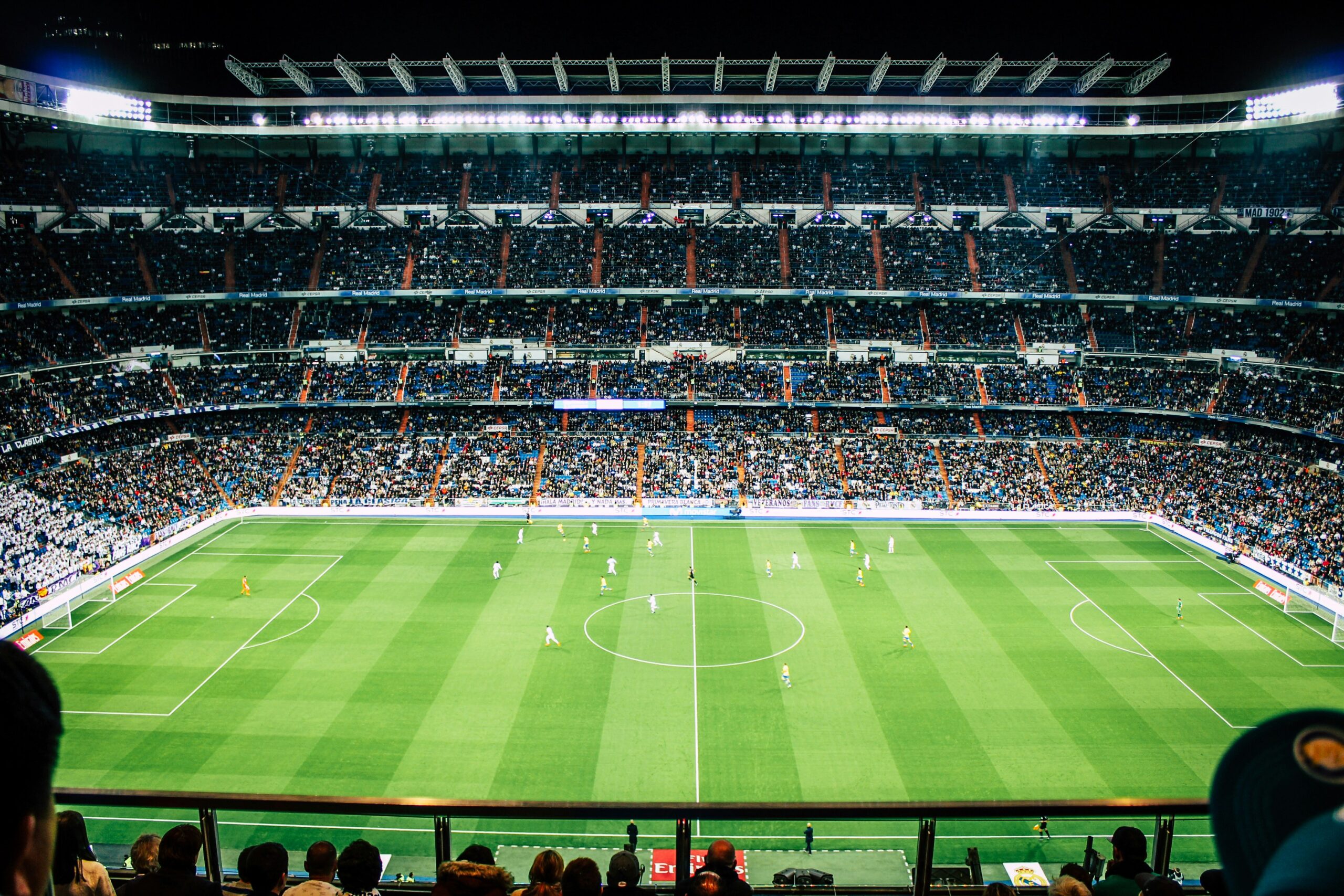
Matchday revenues around €150 million come from Santiago Bernabéu attendances, corporate hospitality, and premium seating. The stadium, currently undergoing massive renovation that will increase capacity and hospitality areas, generates among the highest per-match revenues in European football. Real Madrid’s tourist appeal—where matches become bucket-list experiences for international visitors—allows premium pricing that local-only fanbases cannot sustain.
Major Sponsorship Deals
Real Madrid’s Adidas kit deal represents one of football’s most lucrative apparel partnerships, worth approximately €110-120 million annually through 2028. This long-standing relationship—Adidas has supplied Real Madrid since 1998—reflects mutual benefit where Adidas gains association with football royalty while Real Madrid receives guaranteed income regardless of on-pitch performance.
The Emirates airline shirt sponsorship pays approximately €70 million yearly in a deal running through 2026. Emirates’ prominent placement on Real Madrid’s iconic white shirts provides global visibility across hundreds of millions of viewers, while Real Madrid benefits from association with luxury aviation brand aligned with its premium positioning.
Regional partnerships with companies including Audi, Saudi Telecom, and Nivea Men contribute tens of millions more. Real Madrid’s commercial team has mastered geographic segmentation—different sponsors for different regions, maximizing revenue without oversaturating any single market. This approach allows Korean electronics partners, Middle Eastern telecommunications companies, and European automotive manufacturers to coexist without conflict.
La Liga Title Value
Winning La Liga delivers approximately €150-180 million in combined benefits through enhanced broadcasting distributions, Champions League qualification, sponsorship bonuses, and matchday premiums. The title itself triggers performance clauses in commercial contracts—many sponsor agreements include success bonuses for winning domestic leagues or European competitions that add millions to baseline payments.
The sporting prestige of La Liga victory matters enormously for Real Madrid’s global brand positioning, enabling higher sponsorship renewals and merchandise sales globally. A club that wins consistently can charge premium rates that struggling clubs cannot justify, creating virtuous cycle where sporting success enables financial strength that funds further sporting investment.
Champions League Economics
Real Madrid’s Champions League revenues regularly exceed €100 million when the club reaches latter stages, as it typically does. UEFA distributes prize money based on tournament progression, broadcast pools, and historical coefficient rankings where Real Madrid’s record 14 European Cup titles ensure maximum allocations. A Champions League final appearance can generate €130-150 million when combining UEFA prize money, broadcast distributions, matchday revenues from additional home games, and commercial bonuses.
Beyond direct UEFA payments, Champions League participation creates cascading financial benefits. Sponsors pay premiums for Champions League association, broadcast partners pay more for rights including Champions League matches, and matchday revenues increase as fans prioritize European nights. The competition’s global audience—over 400 million viewers for finals—provides unmatched commercial exposure that clubs monetize through various channels.
Wage Structure
Real Madrid’s wage bill approaches €400-420 million, representing approximately 50% of revenues—a ratio that financial analysts consider sustainable for elite clubs. Star players including Vinícius Júnior, Jude Bellingham, and Kylian Mbappé command salaries exceeding €15-25 million annually before bonuses and image rights, while squad depth requires competitive wages throughout the roster.
The club maintains strict wage discipline compared to rivals, refusing to exceed financial parameters even for galáctico signings. This prudent approach—controversial when targets go elsewhere—ensures long-term sustainability that protects against revenue shocks from poor sporting performance or economic downturns.
2. Manchester City: Sportswashing and Financial Engineering
Manchester City’s transformation from mid-tier English club to European powerhouse demonstrates what Gulf state resources can achieve in modern football. Owned by Abu Dhabi’s Sheikh Mansour since 2008, City generates approximately €826 million annually—growth driven by aggressive commercial development alongside unprecedented on-pitch success.
Revenue Composition
Commercial income around €370 million reflects the most controversial aspect of City’s finances. The club has secured numerous sponsorship deals with UAE-based or UAE-connected entities—Etihad Airways, Etisalat, Aabar—at valuations that critics claim exceed fair market rates. UEFA investigated related-party transactions and found City guilty of financial fair play breaches, though the club successfully appealed to Court of Arbitration for Sport on procedural grounds.
Broadcasting revenues of approximately €280 million stem from Premier League’s enormous domestic and international television deals. English football’s global popularity delivers broadcast distributions dwarfing other leagues—even mid-table Premier League clubs receive more television money than most European champions. City’s consistent title challenges and Champions League qualification maximize these distributions through performance-related components.
Matchday revenues around €70 million remain City’s smallest revenue stream despite the 53,000-capacity Etihad Stadium regularly selling out. English football’s relatively affordable ticketing compared to premium-priced experiences at Real Madrid or Barcelona limits matchday income, though City has invested heavily in hospitality areas and premium seating that generate higher per-capita revenues than general admission.
Sponsorship Portfolio
The Puma kit deal worth approximately €65-75 million annually from 2019 represents City’s most visible commercial partnership. Puma’s willingness to pay premium rates reflects the club’s recent success and global profile growth, though the deal values below Nike’s arrangements with Europe’s most established clubs, indicating City’s brand still developing compared to century-old institutions.
Etihad Airways sponsorship encompasses stadium naming rights, shirt sponsorship, and campus branding in deals collectively worth approximately €70-80 million yearly. The arrangement’s related-party nature—both club and airline owned by Abu Dhabi entities—has generated regulatory scrutiny about whether values represent genuine commercial rates or disguised owner investment circumventing financial fair play rules.
Regional partnerships with companies including Nissan, Nexen Tire, and numerous others contribute incremental revenues, though critics note many connections to UAE business networks. City’s commercial team has aggressively pursued partnerships across Asia, North America, and the Middle East to diversify revenues beyond ownership-connected sources that attract regulatory attention.
Premier League Title Economics
Premier League victory delivers approximately €180-200 million in combined benefits—significantly higher than other European leagues due to England’s extraordinary broadcasting revenues. Winners receive maximum merit-based broadcast distributions, Champions League automatic qualification worth tens of millions, and commercial bonuses that compound through sponsorship clauses and merchandise sales surges.
The Premier League’s global reach means championship success resonates worldwide more than victories in Spain, Germany, or Italy. This amplification effect enables Premier League clubs to monetize success more effectively than European counterparts, partly explaining English football’s financial superiority despite not always matching continental clubs’ European success.
Champions League Value
Manchester City’s Champions League revenues have grown alongside recent success, with the club’s 2023 triumph generating approximately €130 million in UEFA prize money and associated benefits. However, City’s historical coefficient rankings remain lower than clubs with decades of European participation, meaning UEFA distributions favor Real Madrid, Bayern Munich, and other traditional powers over relative newcomers.
The competition’s importance to City extends beyond direct revenues to legitimacy and sportswashing objectives. Abu Dhabi’s investment seeks elite status and global recognition that only Champions League success delivers—making the competition’s value to City’s ownership immeasurable in pure financial terms. The €130 million in prize money pales beside the geopolitical and reputational value that Champions League titles provide to Abu Dhabi’s international positioning.
Wage Expenditure
City’s wage bill approximates €400 million, representing roughly 50% of revenues—superficially sustainable ratios that mask potential related-party revenue inflation. The club employs some of football’s highest-paid players including Erling Haaland and Kevin De Bruyne earning €20-25 million annually, while maintaining squad depth that requires competitive wages throughout the roster.
Off-books payments and image rights arrangements allegedly supplement official wages, according to accusations in leaked documents. If true, actual compensation exceeds reported figures, creating financial fair play compliance concerns. However, City has successfully defended against these allegations in formal proceedings, maintaining that all compensation follows regulations.
3. Paris Saint-Germain: State Power and Superstar Salaries
Paris Saint-Germain exemplifies sports as geopolitical tool, with Qatari ownership since 2011 transforming a provincial French club into global brand powered by superstar signings and unlimited resources. PSG generates approximately €802 million annually—though like City, revenue composition raises questions about related-party transactions and genuine commercial value versus owner investment.
Revenue Structure
Commercial revenues around €450 million represent PSG’s largest income source and most controversial aspect. The club has secured enormous sponsorship deals with Qatar Tourism Authority, Qatar Airways, and other state-controlled entities at valuations that dwarf comparable clubs. French football authorities and UEFA have investigated these arrangements’ compliance with financial fair play regulations, with mixed results where some deals were deemed inflated while others passed scrutiny.
Broadcasting income approximately €220 million comes primarily from Ligue 1’s relatively modest domestic and international television deals. French football generates far less broadcast revenue than England, Spain, or Germany, creating structural disadvantage that PSG compensates through commercial development and owner investment. The club’s dominance means maximum domestic distributions, but even these amounts pale beside Premier League mid-table clubs’ television income.
Matchday revenues around €100 million from Parc des Princes attendances, though the 48,000-capacity stadium limits growth potential. PSG has sought to develop a larger venue that would enable increased matchday revenues comparable to Europe’s biggest clubs, though political and logistical obstacles have prevented progress. The club maximizes existing capacity through premium pricing and corporate hospitality targeting Parisian business community and international visitors.
Major Sponsorships
Nike’s kit deal worth approximately €80 million annually represents one of football’s richest apparel partnerships. Nike’s willingness to pay premium rates reflects PSG’s star power—the club’s jersey featuring Messi, Neymar, and Mbappé (before departures) provided unmatched global marketing value. Even post-superstar era, PSG’s Parisian location and fashion-forward branding maintains commercial appeal that transcends sporting performance.
Qatar Tourism Authority sponsorship payments reportedly approach €200 million annually when combining shirt sponsorship, stadium rights, and other commercial arrangements. The deal’s obvious related-party nature—club and sponsor both controlled by Qatari state—epitomizes concerns about PSG’s financial model where ownership effectively pays itself to circumvent spending restrictions.
Accor hotel group partnership worth tens of millions annually represents PSG’s most significant non-Qatar-related commercial deal, providing stadium naming rights and global hospitality partnership. The arrangement demonstrates PSG can attract genuine third-party sponsors, though skeptics note even this deal benefits from proximity to Qatari business networks and petrodollar tourism investments.
Ligue 1 Title Value
Ligue 1 championship delivers approximately €100-120 million in combined benefits—substantially less than top-tier European leagues due to France’s modest broadcasting revenues and commercial opportunities. PSG has won the league so consistently that title success generates diminishing marginal returns; the club’s brand now depends more on Champions League performance than domestic dominance that fans and sponsors expect regardless.
The competitive imbalance—PSG’s resources dwarf all French rivals—means league victory lacks suspense that drives broadcast viewership and commercial engagement in more competitive leagues. This creates paradox where PSG’s dominance undermines Ligue 1’s commercial value, reducing the revenues that all French clubs, including PSG, derive from collective broadcasting and commercial agreements.
Champions League Economics
PSG’s Champions League revenues regularly exceed €100 million despite the club never winning the competition. UEFA distributions reward participation, with additional payments for progression through group stages and knockout rounds. PSG’s consistent qualification and regular advancement to latter stages ensures maximum distributions from UEFA’s prize money pools and broadcast revenues.
The competition’s importance to PSG transcends financial value to represent existential purpose. Qatari ownership invested billions specifically to win the Champions League and establish PSG among European elite—making the trophy worth immeasurably more than the €100+ million that victory would deliver. Failure to win despite historic investment represents reputational liability for Qatari state’s international positioning and sportswashing objectives.
Wage Commitments
PSG’s wage bill has reached extraordinary heights, reportedly approaching €500-550 million during the Messi-Neymar-Mbappé era—representing over 60% of revenues and clearly unsustainable without owner subsidies. Even post-superstar departures, wages remain around €400 million as the club maintains competitive salaries throughout the roster to attract talent to French league perceived as less prestigious than England, Spain, or Germany.
The club has paid some of football’s highest individual salaries, with Mbappé earning over €70 million annually before his Real Madrid departure, while Neymar and Messi commanded similar figures. These stratospheric wages—subsidized by Qatari state rather than genuine club revenues—distort European football’s wage structures by establishing benchmarks that other clubs cannot sustainably match.
4. Bayern Munich: German Efficiency and Bundesliga Dominance
Bayern Munich represents European football’s most sustainably managed financial powerhouse, generating approximately €744 million annually through prudent commercial development, domestic dominance, and consistent Champions League participation. Unlike Gulf-state-owned rivals, Bayern maintains member-owned structure requiring financial self-sufficiency that mandates conservative management.
Revenue Distribution
Commercial income around €400 million reflects Bayern’s status as Germany’s national team in club form. The club’s partnerships with German industrial giants—Audi, Adidas, Allianz, Deutsche Telekom—create financial stability that clubs dependent on owner investment cannot match. These relationships extend beyond transactional sponsorships to strategic partnerships where sponsors hold minority equity stakes and maintain long-term commitments regardless of short-term performance fluctuations.
Broadcasting revenues approximately €240 million come primarily from Bundesliga’s collective domestic and international television deals. German football generates substantial broadcast income—less than England but comparable to Spain and Italy—with Bayern receiving maximum distributions due to consistent championship success and Champions League qualification that drives viewership.
Matchday income around €100 million from the 75,000-capacity Allianz Arena places Bayern among Europe’s matchday revenue leaders. German football’s relatively affordable ticketing compared to England or Spain is offset by enormous capacity and consistently sold-out attendance. The club has invested heavily in stadium experience and corporate hospitality that enable premium pricing for business attendees while maintaining accessible general admission tickets for traditional supporters.
Sponsorship Agreements
Adidas partnership worth approximately €60 million annually extends beyond typical kit supply arrangements to equity partnership where Adidas owns 8.33% of Bayern Munich. This structural relationship—uncommon in football—provides stability and alignment that pure commercial agreements cannot achieve. Adidas gains exclusive kit rights and commercial association with Germany’s most successful club, while Bayern receives guaranteed income and strategic partner invested in long-term success.
Allianz insurance group holds stadium naming rights and maintains broader partnership worth approximately €10-15 million annually, plus its 8.33% equity stake. Like Adidas, Allianz functions as strategic partner rather than transactional sponsor, creating financial stability and corporate governance discipline that prevents reckless spending common at owner-funded clubs.
Audi and Telekom each own 8.33% equity stakes and maintain commercial partnerships collectively worth tens of millions annually. This quartet of German industrial partners—Adidas, Allianz, Audi, Telekom—provides structural stability unique in European football, ensuring financial resources while maintaining governance discipline through diversified ownership.
Bundesliga Title Economics
Bundesliga championship delivers approximately €120-140 million in combined benefits through broadcasting distributions, Champions League qualification, sponsorship bonuses, and commercial impacts. Bayern has won the league so consistently—11 consecutive titles from 2013-2023—that success represents baseline expectation rather than exceptional achievement, reducing marginal financial value of each additional title.
However, the competitive imbalance—Bayern’s resources exceed all Bundesliga rivals—creates self-reinforcing dominance where title success funds further investment that ensures continued success. This cycle, while financially beneficial to Bayern, undermines Bundesliga’s competitive credibility and potentially limits long-term commercial growth as predictability reduces viewer engagement.
Champions League Revenues
Bayern’s Champions League income regularly exceeds €110 million, with the club’s consistent latter-stage participation ensuring maximum UEFA distributions. Bayern’s historical coefficient—among Europe’s highest—ensures premium allocations from UEFA’s distribution formulas that reward past European success. The club has reached at least Champions League quarter-finals in most recent seasons, generating revenues that smaller clubs can only dream of even when winning domestic titles.
The financial gap between Champions League participants and non-participants creates enormous competitive advantages that compound over time. Bayern’s virtually guaranteed Champions League presence—secured through Bundesliga dominance—provides €100+ million yearly that rivals lack, funding player acquisitions that further entrench competitive advantages in domestic competition.
Wage Discipline
Bayern’s wage bill around €350 million represents approximately 47% of revenues—among European football’s most sustainable ratios. The club maintains strict wage structure with defined maximum salaries that even superstar players cannot exceed, creating rare situation where club dictates terms rather than acceding to agent demands. This discipline occasionally costs targets who choose higher wages elsewhere, but ensures long-term financial stability.
Star players including Harry Kane, Joshua Kimmich, and Manuel Neuer earn approximately €20-25 million annually—substantial but below stratospheric figures paid by PSG or English clubs for comparable talent. Bayern’s consistent success despite wage restraint demonstrates that prudent financial management can compete with unlimited resources, though critics note Bayern’s Bundesliga dominance creates advantages that clubs in more competitive leagues cannot replicate.
5. Barcelona: Financial Crisis and Recovery
Barcelona’s financial trajectory represents cautionary tale of mismanagement followed by painful restructuring. The club generates approximately €800 million annually—enormous revenues that prove insufficient when wage bills exceeded 110% of income during the crisis period. Post-restructuring, Barcelona demonstrates both the earning power of football’s most iconic brands and the devastating consequences of financial recklessness.
Revenue Breakdown
Commercial income around €380 million reflects Barcelona’s global brand strength despite recent sporting and financial struggles. The club’s association with Lionel Messi’s prime years, commitment to attacking football philosophy, and Catalonian cultural significance create commercial appeal transcending current performance. However, revenues declined significantly following Messi’s departure and financial irregularities that damaged sponsor confidence.
Broadcasting revenues approximately €280 million from La Liga distributions and international television deals. Spanish football’s global popularity ensures substantial broadcast income, though Barcelona’s financial crisis forced asset sales including selling percentages of future television revenues to private equity investors—mortgaging future income for immediate liquidity that addresses short-term crisis while constraining long-term financial flexibility.
Matchday income around €150 million from Camp Nou attendances, though stadium renovation has forced temporary relocation that reduces capacity and revenues during construction. The planned new Camp Nou will increase capacity to 105,000 and dramatically enhance corporate hospitality facilities, potentially doubling matchday revenues upon completion and providing financial boost crucial to post-crisis recovery.
Sponsorship Landscape
Nike’s kit deal worth approximately €100-120 million annually represents one of football’s richest apparel partnerships, reflecting Barcelona’s enduring brand value despite sporting struggles. Nike’s long-term commitment—relationship dating to 1998—provides stability during turbulent period, though Barcelona has explored switching to other brands for even larger deals as financial pressures mount.
Spotify sponsorship covering shirt, stadium naming rights, and broader partnership pays approximately €60-70 million annually in deal that replaced previous shirt sponsor Rakuten. The arrangement reflects Barcelona’s ability to attract premium partners despite financial crisis, though negotiations reportedly involved discounts from initial asking prices as sponsors exploited the club’s weakened bargaining position.
Institutional partnerships with companies including Beko, Konami, and regional sponsors collectively generate tens of millions, though Barcelona’s commercial revenues lag behind Real Madrid and English elite despite comparable brand recognition. The financial crisis damaged sponsor confidence and negotiating leverage, forcing Barcelona to accept terms less favorable than historical norms.
La Liga Title Value
La Liga championship delivers approximately €150-180 million in combined benefits similar to Real Madrid, though Barcelona’s recent struggles—failing to win since 2019—have demonstrated how quickly financial models collapse without consistent success. Title drought forces spending cuts that weaken competitiveness, creating vicious cycle where financial constraints reduce sporting performance that further constrains revenues.
Barcelona’s particular dependence on success-driven revenues—Champions League qualification, domestic titles triggering sponsorship bonuses, merchandise sales correlating with winning—makes financial performance volatile compared to clubs with more stable revenue bases. This volatility complicated crisis management as declining sporting performance accelerated revenue shortfalls precisely when financial stability was most critical.
Champions League Economics
Barcelona’s Champions League revenues have declined alongside sporting performance, with recent group stage exits and earlier eliminations reducing UEFA distributions by tens of millions compared to latter-stage participation that was historical norm. The financial importance of Champions League success to Barcelona exceeds most clubs due to wage commitments that require Champions League revenues to balance budgets.
Failure to reach Champions League knockout stages costs approximately €30-50 million in direct UEFA payments, plus cascading effects on commercial revenues, matchday income, and competitive positioning that compounds losses. Barcelona’s financial model essentially requires Champions League quarter-final participation as baseline expectation—anything less creates budget shortfalls requiring emergency measures.
Wage Crisis and Reform
Barcelona’s wage bill peaked above €600 million—over 110% of revenues—creating unsustainable situation that triggered La Liga’s financial controls and forced brutal spending cuts. The club paid some of football’s highest salaries including Messi’s €100+ million annual package, while maintaining expensive squad depth that proved financially catastrophic when revenues declined during COVID pandemic.
Post-crisis restructuring reduced wages to approximately €400-450 million through combination of player sales, contract renegotiations, and salary reductions that remain painful and ongoing. Veterans accepted pay cuts, stars departed for higher wages elsewhere, and Barcelona signed players only after offloading salaries—transforming from destination for world’s best talent to club struggling to compete financially with rivals despite enormous revenues.
The crisis demonstrated that even €800 million in revenues proves insufficient when wage commitments exceed income, and that even Barcelona’s historic prestige cannot overcome financial reality when La Liga’s financial fair play rules enforce spending limits. The club’s recovery remains fragile, dependent on sporting success to generate revenues that support competitive wages in self-reinforcing cycle that could spiral negatively if performance disappoints.
Comparative Analysis: What This Reveals About Modern Football
Examining Europe’s five highest-revenue clubs reveals fundamental tensions and trends shaping football’s financial evolution, with implications extending beyond individual institutions to the sport’s sustainability and competitive integrity.
The ownership model divide between member-owned clubs (Real Madrid, Barcelona, Bayern Munich) and Gulf state-owned entities (Manchester City, Paris Saint-Germain) creates fundamentally different financial disciplines and objectives. Member ownership requires sustainable finances where revenues must cover expenses, forcing prudent wage management and investment discipline. Gulf ownership enables unlimited spending where owners subsidize losses indefinitely, pursuing geopolitical objectives where financial returns are irrelevant.
This divide threatens competitive balance as state-owned clubs can outspend rivals without financial constraints, accumulating talent and success that compounds advantages over time. However, regulatory frameworks including UEFA’s financial fair play and domestic league spending rules attempt to level playing fields by limiting owner subsidies—with mixed success as wealthy clubs employ sophisticated accounting and legal strategies to circumvent restrictions.
Broadcasting revenue inequality between Premier League and other European leagues creates structural advantages for English clubs that compound through international player recruitment and wage-setting power. Mid-table Premier League clubs receive more television money than most European champions, enabling English clubs to dominate transfer markets and poach talent from continental rivals who cannot match wages.
This English financial superiority—built on Premier League’s unmatched global broadcasting appeal—threatens long-term competitive balance across European competitions. If Premier League clubs can offer double or triple the wages for equivalent talent, continental Europe’s best players inevitably migrate to England, weakening domestic leagues and reducing Champions League competitiveness to contests between English clubs and handful of financially comparable continental giants.
The Champions League’s importance as revenue source and brand-building platform creates winner-take-all dynamics where regular participants accumulate resources that entrench advantages over clubs that periodically qualify. The financial gap between Champions League regulars earning €100+ million annually and domestic league winners who fail to reach latter stages earning €30-50 million means that single tournament creates and perpetuates European football’s aristocracy.
This creates perverse incentives where clubs prioritize Champions League qualification over domestic success, potentially undermining competitive intensity in domestic leagues. If finishing fourth in Premier League proves more valuable than winning domestic cups or even league titles in smaller competitions, it distorts sporting priorities and reduces competitive drama that historically made football compelling.
Wage inflation remains structural problem threatening sustainability across European football. Even prudently managed clubs devote 45-50% of revenues to wages, while less disciplined clubs exceed 60-70% or more. This leaves minimal margins for infrastructure investment, academy development, or financial buffers against revenue shocks—creating fragility where single season without Champions League qualification can trigger financial crisis.
The pressure comes partly from player power and agent influence, but also from competitive dynamics where clubs must match rival wages to attract talent necessary for success that generates revenues justifying those wages. Breaking this cycle requires collective action through wage caps or spending limits that all major clubs honor—extraordinarily difficult when competitive pressures incentivize individual clubs to cheat for short-term advantage.
Key Takeaways
✓ Europe’s five biggest clubs generate €700-830 million annually through diverse revenue streams including broadcasting (€220-280m), commercial partnerships (€350-450m), and matchday income (€70-150m) ✓ Champions League participation alone contributes €100-150 million annually through UEFA distributions, broadcast pools, and commercial bonuses—creating massive financial advantage for regular participants over domestic competitors ✓ Major sponsorship deals with global brands deliver €60-120 million per club annually, with kit suppliers (Nike, Adidas, Puma) and regional partnerships creating diversified commercial income streams ✓ Gulf state ownership at Manchester City and PSG enables unlimited spending unconstrained by revenues, raising financial fair play compliance questions and competitive balance concerns versus member-owned traditional clubs ✓ Wage bills consuming 45-70% of revenues create financial fragility where single poor season without Champions League qualification triggers budget crises requiring emergency asset sales and salary cuts
Related EBM Coverage: