





























As the internet gaming industry grows throughout Europe, operators increasingly depend on behavioral psychology to really guide their promotional actions. Among their marketing tactics is free spin promotions—brief periods of gameplay presented to customers without necessitating a deposit and often presented as easy marketing stunts, free spins draw on documented psychology principles guiding customer decision-making and engagement.
Understanding why they work so well really requires exploring customers’ minds and identifying the mechanisms behind making free spins more than a temporary promotion—free spins are a staple of regulated online gaming markets in many respects.
The Power of Perceived Value
One of the significant factors really propelling success for free spin promotions is perceived value. Consumers don’t necessarily consider offers for their monetary value alone, but for their perceived worth. Free spins give operators the impression of quick gain without necessitating customers to risk their capital. This “free to try” scenario reduces entry barriers psychologically and creates an appearance of beneficence, even if the actual cash equivalent is small.
Join The European Business Briefing
New subscribers this quarter are entered into a draw to win a Rolex Submariner. Join 40,000+ founders, investors and executives who read EBM every day.
SubscribeIn behavioral economics, this phenomenon is directly linked with the endowment effect, whereby people attribute greater value to anything they own due to ownership itself. After a player is given spins for free, the perception of ownership over the gameplay increases their chances of using the website. Eventually, it contributes to subsequent deposits, extended play periods and loyalty to the company.
Regional Nuances in Consumer Motivation
European markets aren’t homogeneous and user behavior differs from country to country. For example, Scandinavian players will likely be receptive to promotions highlighting transparency and player protection, while Southern European markets might be more inclined towards excitement-based offers.
Regional expectations regarding the presentation and structure of free spin offers must be respected. For instance, in Germany, attention is paid to observing advertising norms, so providers tend to be conservative. Conversely, markets in Spain and Italy permit more energetic messaging focusing on urgency and exclusivity, resulting in improved conversion rates.
Surprisingly enough, cross-jurisdiction data reveal that players in more regulated markets, like Sweden, are unaffected by restricting bonus caps. Instead, they welcome transparency in the offer. That result prompted certain European operators to copy simple versions of free spins US tested successfully by American platforms and provide a set number of spins with zero wagering requirements instead of more intricate bundles.
Gamification and Illusion of Control
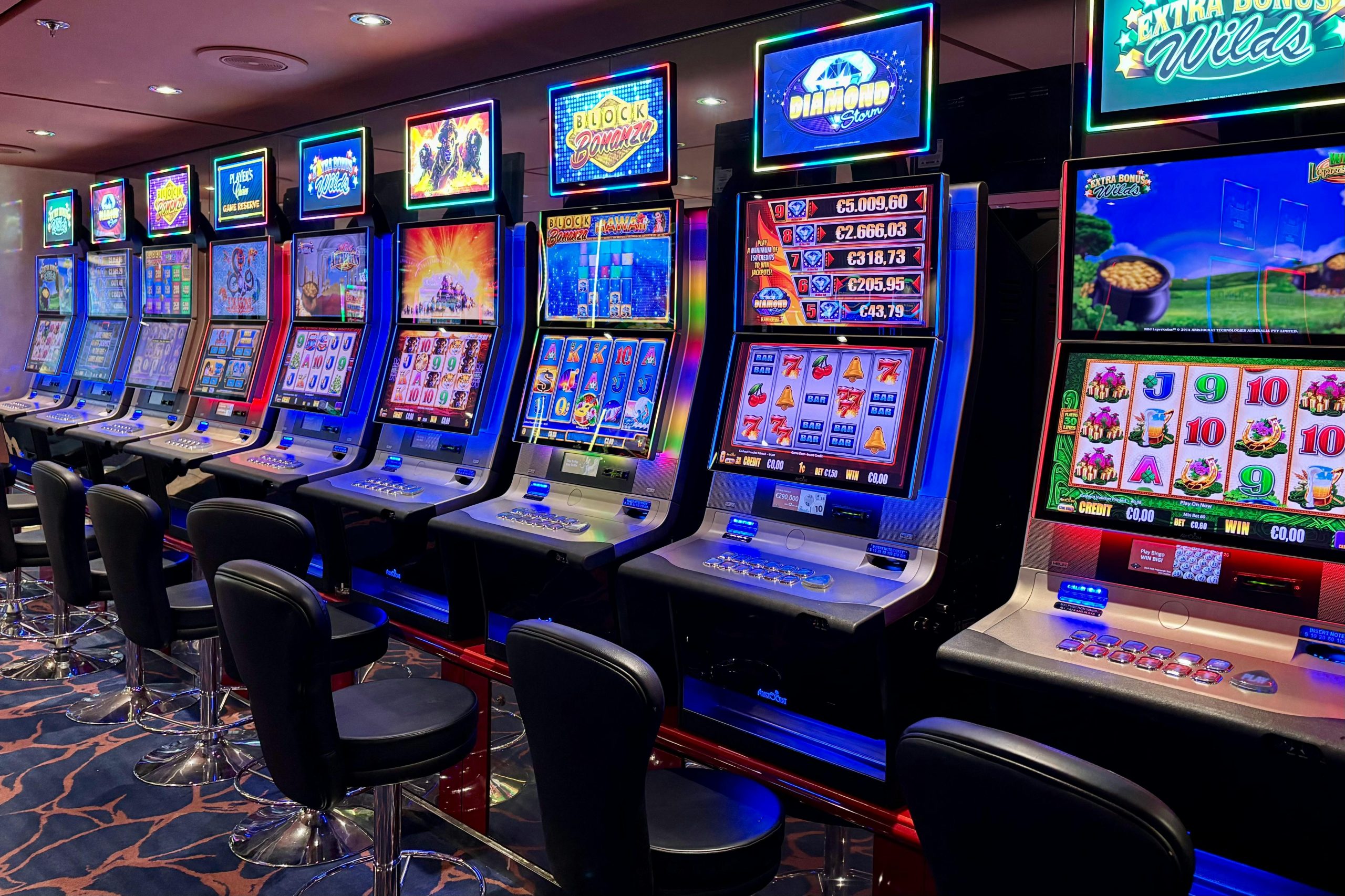
Another crucial feature of the psychology behind free spin promotions is the illusion of control. Although slots are chance-based games, enabling players to spin the wheels even for free makes them feel in control. This phenomenon is part of a wider theme of gamification in online marketing, whereby game principles increase engagement in contexts that aren’t games.
Free spins offer a low-risk chance to “win,” stimulating pathways associated with reward in the brain through dopamine. Coupled with visual and sound stimuli typical of slots, an enriched sensory experience is created to support repetitive play. Significantly, as players decide whether to take them up, their perceived level of control over play increases and hence, it becomes more involving and less transactional.
Risk Mitigation as a Behavioral Hook
From a psychological perspective, minimizing perceived risk is a powerful motivator. Free spins allow you to try out the gaming platform without financial risk. This is especially welcome to inexperienced users who don’t want to commit funds to an unknown platform.
Free spins are a buffer for veteran players to keep their interest going during lean spells or low moments in gameplay. Instead of churning out due to frustration, consumers are rewarded and have something to look forward to. This strategy increases customer lifetime and ensures platform stickiness is sustained.
In addition, in discretionary-spending circumstances that are being watched closely, especially in recent economic uncertainty, no-charge participation activities become increasingly crucial. Free spin promotions fill that need by offering entertainment value without requiring an up-front financial expenditure.
Timing, Frequency and Scarcity
Consumer psychology is also crucial in showcasing the value of timely promotions and urgency through design. An “always available” free spin promotion quickly loses its appeal. To reverse this, operators often use countdown clocks, spin-of-the-day calendars or special events to create a perception of urgency.
European players have proven to be exceptionally responsive to those signals, tending to respond more positively to “use it or lose it” mechanics. Moreover, statistics reveal that promotions during mid-week days—e.g., “Wednesday Free Spins”—engender more activity than weekend promotions because they occupy otherwise quiet periods in user activity.
It is also essential to have an optimal frequency. Excessive frequency, which means too many free spin promotions, leads to exhaustion and too few promotions lead to lost deposit opportunities. The most effective platforms combine free spin promotions as part of an overarching data-driven customer path.
Ethical Considerations and Regulatory Outlook
Even as more advanced psychology is used to make decisions about free spins, regulators are paying attention. European gambling regulators, especially from the UK, the Netherlands and Sweden, are making stricter regulations about promoting and cashing in on bonuses. Operators now must ensure that promotional communications are not deceptive and that wagering requirements are communicated.
Regarding their business ethics, they intend to achieve long-term involvement without taking advantage of cognitive flaws. Transparency, fairness and ethical play have become cornerstones for sustainable expansion in Europe’s online gambling industry.
For operators who want to innovate within those limits, tangible rewards exist. By matching their marketing efforts with user psychology, they achieve more than engagement; they also establish trust, which is increasingly valuable in a highly digitized and intensely monitored marketplace