



Brief Analysis
In the week of 14 April 2026, Europe’s three biggest luxury conglomerates — LVMH, Kering and Hermès — reported first-quarter earnings that delivered the same verdict in three different registers: the Iran war has arrived in the profit and loss accounts of European luxury, and the recovery that the sector had been counting on for 2026 is not coming. LVMH reported Q1 revenue of €19.1 billion, down 6% on a reported basis, with the Iran war costing the group a full percentage point of organic growth. Kering’s flagship brand Gucci posted a 14.3% revenue decline to €1.35 billion. Hermès reported year-on-year growth but said activity was “significantly affected” by the Middle East situation. Since the end of the post-pandemic luxury boom in 2022, the combined market capitalisation of LVMH and Kering has fallen by more than €100 billion. The Q1 2026 results confirm that recovery has been postponed again — and nobody is certain when it arrives.
EBM Exclusive Take
Join The European Business Briefing
New subscribers this quarter are entered into a draw to win a Rolex Submariner. Join 40,000+ founders, investors and executives who read EBM every day.
SubscribeEuropean luxury’s exposure to Middle East demand has been systematically underestimated by both the companies themselves and the analysts covering them. The region typically accounts for mid-single-digit percentages of total sales for the major groups — a figure that sounds manageable until you understand that Middle Eastern consumers punch enormously above that weight in terms of full-price purchasing, zero discounting and brand prestige signalling. When Gulf shopping malls reported demand declines of 30 to 70% in March — the month the Iran war fully escalated — the damage was not simply revenue lost in Dubai. It was the margin destruction that comes when your highest-spending, least price-sensitive customer segment disappears overnight. Combined with a stronger euro suppressing tourist spending in European luxury retail hubs and a China recovery that remains incomplete, the sector is navigating three simultaneous headwinds with no clear visibility on when any of them resolves.
LVMH — The Bellwether Reports First
LVMH shares are down 27% since the start of 2026. That figure captures the accumulated damage of two years of disappointing results, compounded by a geopolitical shock that arrived just as the sector was beginning to see genuine signs of stabilisation. Asia excluding Japan showed strong growth — confirming the China recovery is real if gradual — but that positive was buried under the Middle East numbers.
Kering and Gucci — The Problem That Won’t Resolve
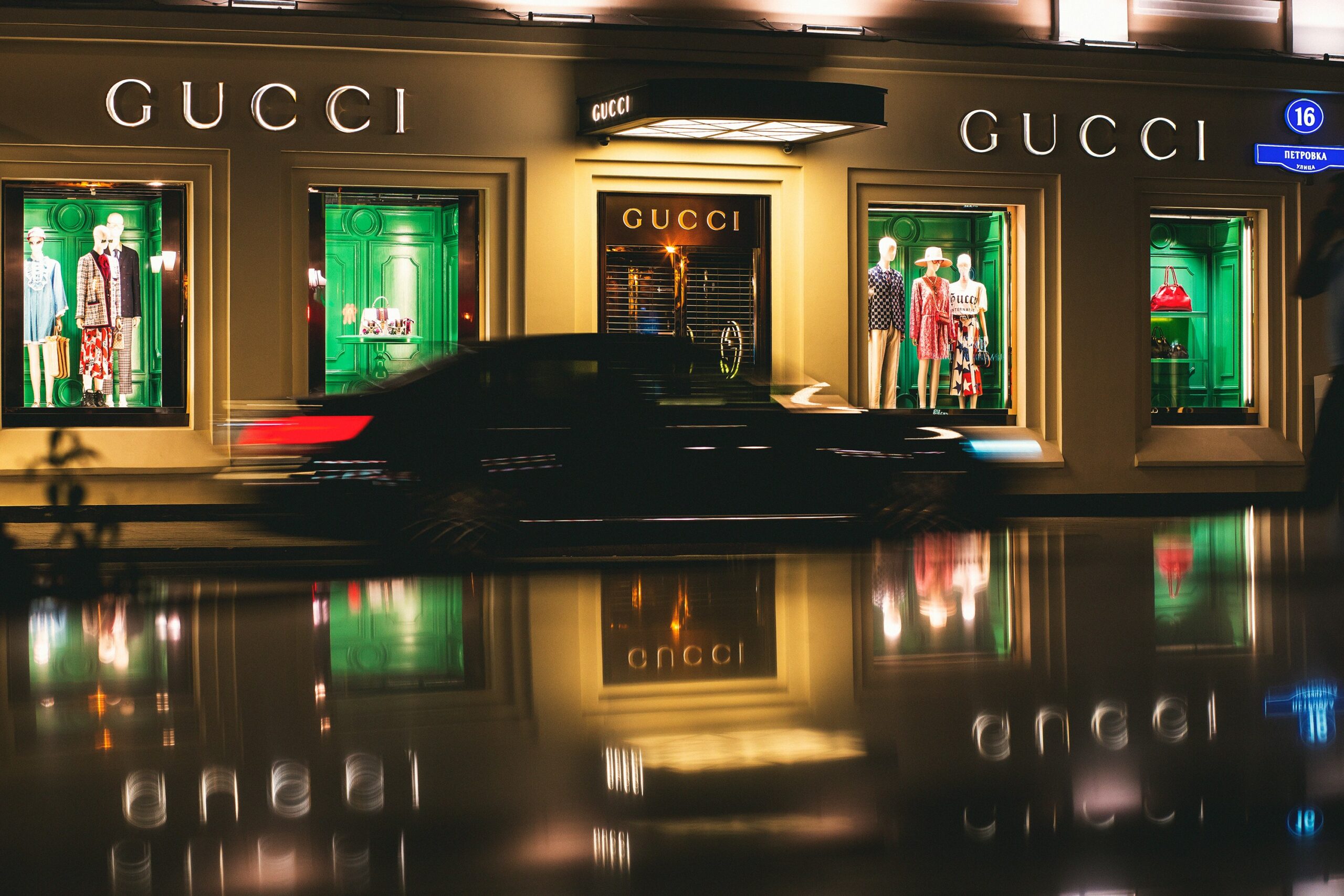
Kering’s situation is more structurally concerning than LVMH’s because the Iran war arrived on top of a pre-existing Gucci crisis. The Italian fashion house — now under former Balenciaga creative director Demna — posted a 14.3% revenue decline to €1.35 billion in Q1 2026. On an organic basis the decline was 8%. Middle East retail revenue fell 11% during the quarter. North America showed a 7% improvement which Kering described as green shoots — but green shoots in one region cannot offset the combined pressure of Gucci’s structural weakness and a war-driven collapse in its most profitable consumer segment.
Kering’s CFO urged patience on the earnings call. “While the recovery will be gradual, the fundamentals are being rebuilt in the right order,” she said. Bernstein analyst Luca Solca’s assessment was characteristically dry: “It is easier and faster for the market to believe in a revival than it is for management to produce it.” Kering shares closed 9.3% lower on the day of the results. They are down 7% for 2026 overall.
Hermès — Relative Outperformance, Absolute Disappointment
Hermès is the sector’s perennial outperformer and Q1 2026 was no exception in relative terms — it reported year-on-year sales growth while its peers declined. But even Hermès said that activity was “significantly affected” by the Middle East situation and its shares fell 8.2% on results day — a figure that reflects how much the stock had been priced for continued immunity to the sector’s broader problems. Hermès is not immune. It is merely more resilient. The distinction matters at current valuations.
The Structural Question
The deeper issue for European luxury’s long-term positioning is that Q1 2026 represents the third consecutive year in which the anticipated recovery has not materialised. Industry-wide sales declined 2% in 2025, according to Bain. The post-pandemic boom ended in 2022. The combined market capitalisation loss at LVMH and Kering since then exceeds €100 billion. Each year the narrative has been that the following year would deliver the rebound. Each year new headwinds have arrived to prevent it — first China’s slowdown, then US tariffs, now the Iran war.
As portfolio manager Christopher Rossbach at J Stern & Co told Reuters: if the luxury recovery hoped for in 2026 is now postponed to the second half or into 2027, nobody should be surprised. The more uncomfortable question is what happens if a ceasefire is reached and oil prices normalise but luxury demand in the Middle East does not immediately recover — because the wealthy Gulf consumers who drive the sector’s most profitable purchasing have redirected spending habits during the disruption in ways that take time to reverse. That scenario has not yet been seriously stress-tested by the market.
The luxury sector has spent three years waiting for a return to growth. The Iran war has not created its problems — but it has made the timeline for resolution significantly harder to predict.
Related Analysis

