





























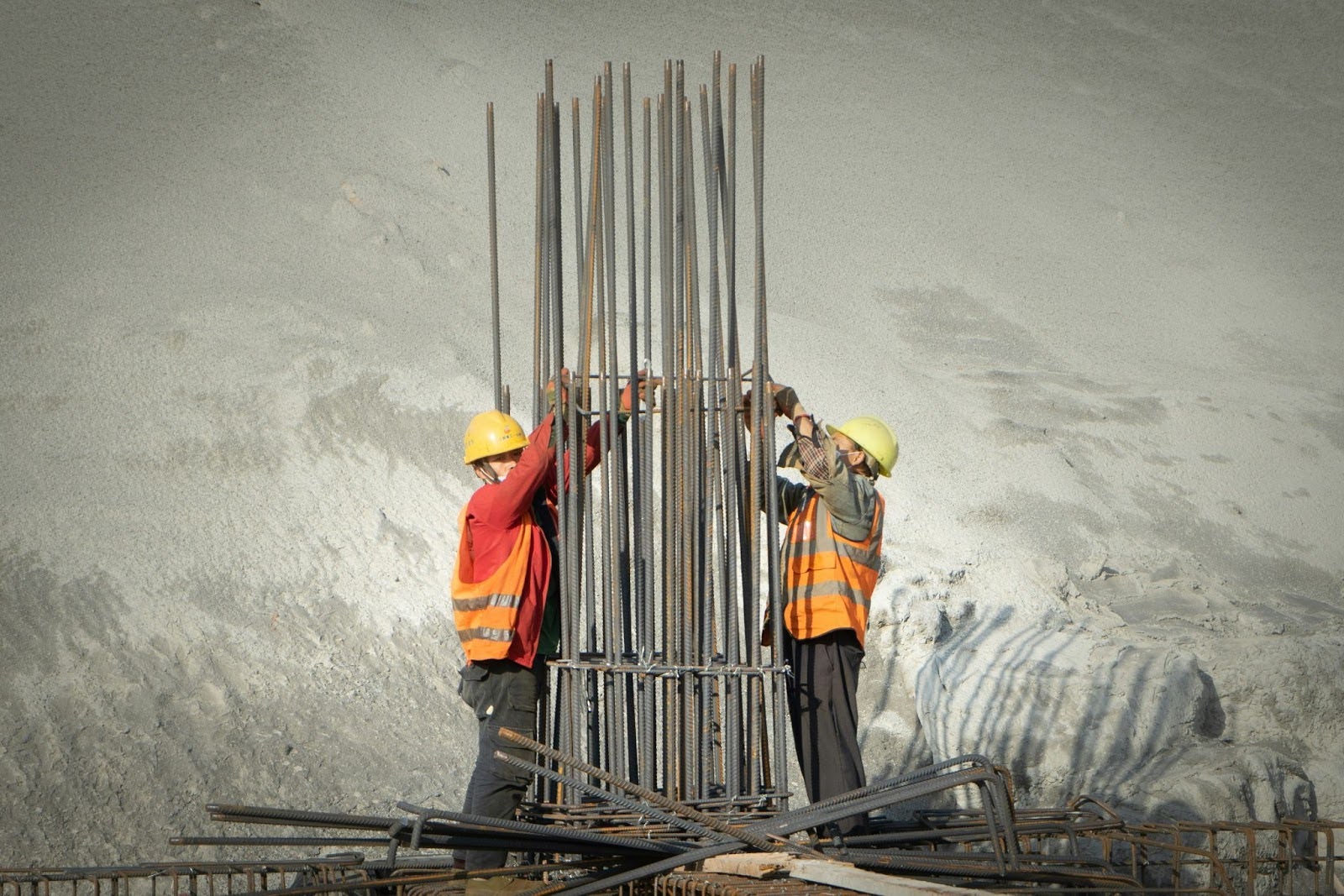
Australia is in the middle of a quiet revolution in how homes and commercial buildings are designed, built, and powered.
From the foundations beneath a structure to the roof panels, smarter technologies are helping property owners save money, reduce environmental impact, and build with greater confidence.
The Hidden Importance of What Sits Below Your Building
When people think about construction, they tend to picture walls, roofs, and interior finishes. Yet the foundation is arguably the most critical component of any structure, because everything above it depends on its strength and stability.
A weak or poorly designed foundation can lead to structural cracking, uneven settling, and costly repairs that far exceed the original construction budget.
Getting the foundation right from the start is not just good practice; it is the single most important decision a builder or homeowner can make.
Join The European Business Briefing
New subscribers this quarter are entered into a draw to win a Rolex Submariner. Join 40,000+ founders, investors and executives who read EBM every day.
SubscribeWhy Screw Piles Are Gaining Popularity Across Australia
Traditional concrete foundations have served the construction industry for decades, but they come with well-known drawbacks.
They require significant excavation, long curing times, and are often unsuitable for challenging soil conditions or environmentally sensitive sites.
Steel screw piles offer a compelling alternative. These are high-strength steel shafts with helical blades that are mechanically rotated into the ground, providing immediate load-bearing capacity without the mess and delay of poured concrete.
The Gold Coast: A Perfect Case Study
Coastal regions like the Gold Coast present unique foundation challenges due to sandy soils, high water tables, and variable ground conditions. Traditional piling methods can struggle in these environments, often requiring extensive soil preparation before work can even begin.
This is where screw piles Gold Coast specialists have become invaluable. Screw pile systems can be installed quickly with minimal site disturbance, making them ideal for the coastal conditions that define much of Southeast Queensland.
Speed, Cost, and Environmental Benefits
One of the most attractive features of screw pile foundations is the speed of installation. A residential project that might require days of concrete work can often be completed in a single day using screw piles, which translates directly into lower labour costs and shorter project timelines.
The environmental advantages are equally significant. Screw piles produce minimal soil disturbance, generate almost no construction waste, and are made from recyclable steel. For builders and developers who are increasingly conscious of their environmental footprint, this matters.
From the Ground to the Roof: The Solar Energy Equation
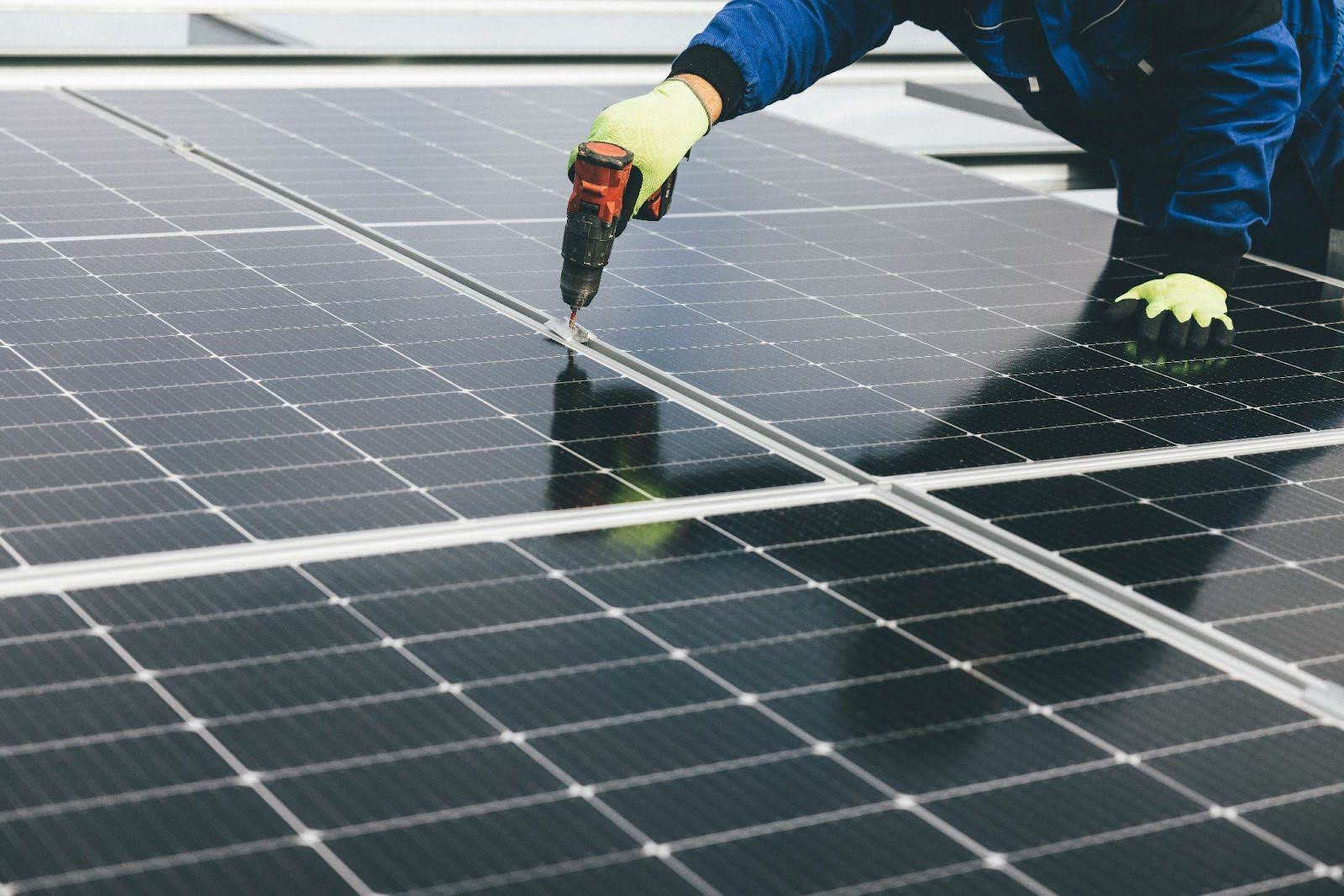
A strong foundation supports the structure, but what powers it is equally important in 2026. Across Australia, homeowners are increasingly pairing efficient building methods with renewable energy systems to create homes that are both structurally sound and energy independent.
Solar panel technology has matured rapidly over the past decade. Panels last 25 to 30 years, installation costs have dropped significantly, and government incentives continue to make the switch financially attractive for households at every income level.
Tasmania’s Growing Solar Sector
While most people associate solar energy with sunny Queensland or Western Australia, Tasmania has emerged as a surprisingly strong market for residential solar.
Despite its cooler climate, Tasmania receives enough sunlight to make solar panels a worthwhile investment for most homeowners.
Providers specialising in solar panel installations Hobart are helping residents design customised systems that account for Tasmania’s unique conditions.
These tailored solutions consider roof orientation, local shading patterns, and household energy consumption to maximise the return on every panel installed.
The Financial Case for Solar Has Never Been Stronger
Most Tasmanian homeowners who install solar panels see meaningful reductions in their electricity bills within the first year. Over the 25 to 30-year lifespan of a typical system, the cumulative savings can amount to tens of thousands of dollars.
Government rebates and small-scale technology certificates (STCs) further reduce the upfront cost, making solar accessible even for households on tighter budgets.
When you factor in rising grid electricity prices, the financial argument for going solar only strengthens over time.
Where Foundations and Energy Intersect
At first glance, screw pile foundations and rooftop solar panels might seem like unrelated topics. But they represent the same fundamental shift in how Australians think about building: prioritising efficiency, sustainability, and long-term value over short-term convenience.
Both technologies replace older, more wasteful methods with modern alternatives that deliver better results at lower cost.
Together, they form the backbone of a smarter approach to residential and commercial construction.
Sustainability Is Now a Business Imperative
This shift is not limited to Australia. Across Europe, governments and industry bodies are pushing for sustainable construction practices that reduce embodied carbon in buildings.
The global momentum toward greener building methods is accelerating, and Australian builders are well-positioned to lead.
The construction industry worldwide is recognising that the materials and methods used today will define the environmental legacy of the built environment for decades to come.
Choosing low-impact foundations and renewable energy systems is no longer a niche decision; it is becoming the standard expectation.
Battery Storage Completes the Picture
For homeowners who want to take their energy independence further, battery storage systems pair perfectly with rooftop solar.
Excess energy generated during the day can be stored and used at night, reducing reliance on the grid to near zero in some cases.
Tasmania’s solar providers now offer integrated packages that combine panels, inverters, and battery storage into a single, cohesive system.
This whole-of-home energy approach mirrors the whole-of-structure thinking that modern foundation systems like screw piles represent.
The Role of Local Expertise
Whether you are choosing a foundation system or a solar energy provider, local expertise matters enormously.
Soil conditions vary dramatically from one region to another, and a piling solution that works in Melbourne may not be ideal for the Gold Coast’s sandy, moisture-rich ground.
Similarly, a solar system designed for a north-facing roof in Sydney will perform very differently on a south-facing roof in Hobart.
Working with providers who understand the specific conditions of your area is the single best way to ensure optimal results and avoid costly mistakes.
What Homeowners Should Consider Before Building
If you are planning a new build or a major renovation, start by thinking about the full lifecycle of your home.
A strong, well-engineered foundation will protect your investment for decades, while a properly sized solar system will reduce your operating costs every single year.
Ask your builder about modern foundation options and whether screw piles are suitable for your site. At the same time, get a solar assessment done early in the planning process so panels and wiring can be integrated into the design rather than retrofitted later.
The Bigger Picture: Building for the Next Generation
The homes and buildings constructed today will still be standing in 50 years or more. Every decision made during the design and construction phase has compounding consequences, both financial and environmental, that extend far beyond the day the keys are handed over.
Australians who choose smarter foundations and cleaner energy sources are not just building better homes for themselves.
They are contributing to a built environment that is more resilient, more sustainable, and better prepared for the challenges that lie ahead.
The Bottom Line
The Australian construction landscape is evolving rapidly, driven by technologies that make buildings stronger, cheaper to operate, and kinder to the environment.
From advanced screw pile systems on the Gold Coast to tailored solar installations in Hobart, the tools for building smarter are already here.
The only question left is whether you will use them.