






























Brief Analysis
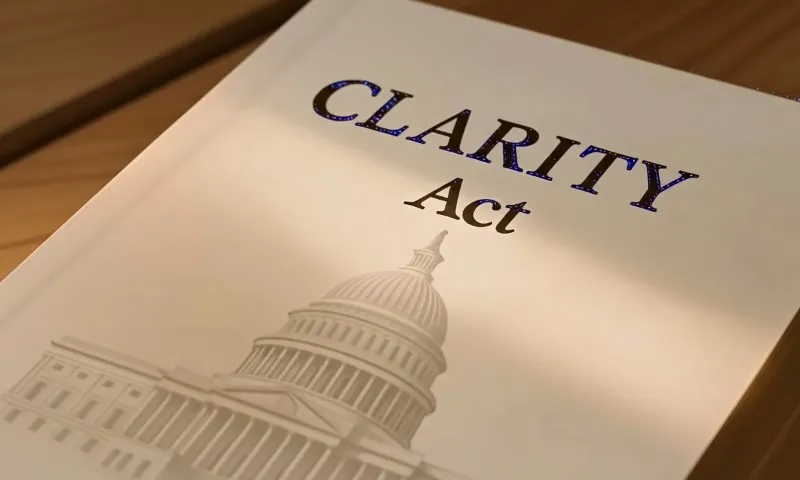
As of April 16, 2026, the CLARITY Act — the most significant piece of US financial legislation in a generation — has the endorsement of Coinbase, Ripple, Treasury Secretary Bessent and a bipartisan Senate compromise on stablecoins, yet Senate Banking Committee Chair Tim Scott has still not scheduled a markup date. The stablecoin yield dispute that blocked the bill twice in 2026 has been resolved in principle — passive yield on stablecoins banned, activity-based rewards permitted — closing the gap that banks and crypto firms spent months fighting over. Senator Bernie Moreno has warned publicly that if the bill does not reach the full Senate floor by May, midterm election dynamics will shelve it until at least 2030. The only variable that now matters is whether Scott sets a date before that window closes.
EBM Exclusive Take
Join The European Business Briefing
New subscribers this quarter are entered into a draw to win a Rolex Submariner. Join 40,000+ founders, investors and executives who read EBM every day.
SubscribeThe CLARITY Act’s journey from House passage to Senate paralysis is the clearest illustration yet of why Washington consistently fails to regulate emerging asset classes before the rest of the world does it for them. The crypto industry has spent $149 million through the Fairshake super PAC and assembled a $193 million war chest specifically to secure this legislative outcome. Every substantive objection has been addressed. The White House Council of Economic Advisers published a report finding that a full ban on stablecoin yield would cost consumers $800 million annually while adding just 0.02% to bank lending — neutralising the banks’ core argument. Coinbase CEO Brian Armstrong, who blocked the bill twice, reversed course on April 9. Ripple CEO Brad Garlinghouse now expects presidential signature by end of May. European institutional investors watching this process from London and Frankfurt are drawing the obvious conclusion: US crypto regulation is not a question of if, but whether it arrives before or after the 2026 midterms hand control of the House back to Democrats.
How the Blockage Finally Broke
For most of 2026, the CLARITY Act stalled on a single issue: whether stablecoin issuers could offer yield to users. Banks argued this replicated deposit-taking without the same regulatory safeguards, threatening deposit flight from the traditional financial system. Crypto firms — led by Coinbase, which earns approximately one-fifth of its revenue from stablecoin rewards — argued a hard ban would kill a legitimate business model.
The Tillis-Alsobrooks compromise, reached in March, threaded the needle: passive yield on stablecoin balances is banned, but activity-based rewards tied to genuine payments and platform usage are permitted. Both sides declared partial victory. The White House CEA report, published in early April, provided the academic cover that wavering senators needed — the deposit flight risk had been significantly overstated.
Treasury Secretary Bessent then published a Wall Street Journal op-ed calling on the Banking Committee to act immediately, framing the CLARITY Act as a national security matter — citing the migration of blockchain developers and crypto companies to Singapore and Abu Dhabi as the direct consequence of sustained US regulatory ambiguity.
The Remaining Obstacles
Three issues remain unresolved beyond stablecoin yield. DeFi provisions are still contested, with several Senate Democrats citing illicit finance concerns. Ethics language — specifically a bar on senior government officials from personally profiting from crypto assets — has not been agreed. And community bank deregulatory provisions, attached as part of a broader legislative trade involving housing legislation, have no public resolution.
Senator Tillis is expected to release revised stablecoin yield text this week. The sequence from there is fixed: text published, 48 hours pass, Scott sets a markup date. Each day the text is delayed is a day the markup cannot be scheduled.
The Midterm Deadline
The legislative arithmetic is unforgiving. Senate floor procedure requires two to three weeks between committee clearance and a floor vote. The bill then needs reconciliation between the Senate Banking Committee version, the Senate Agriculture Committee version — which passed in January — and the House version. Presidential signature follows. Working backwards from the Memorial Day informal deadline, the Banking Committee must clear the bill by mid-May at the latest.
Polymarket odds for a 2026 signing have fallen to 58%, down from above 82% earlier this year Crypto Times — a market signal that reflects the calendar risk more than any substantive opposition. Senator Lummis has called this the last chance until at least 2030. She may be right.
Related Analysis






