































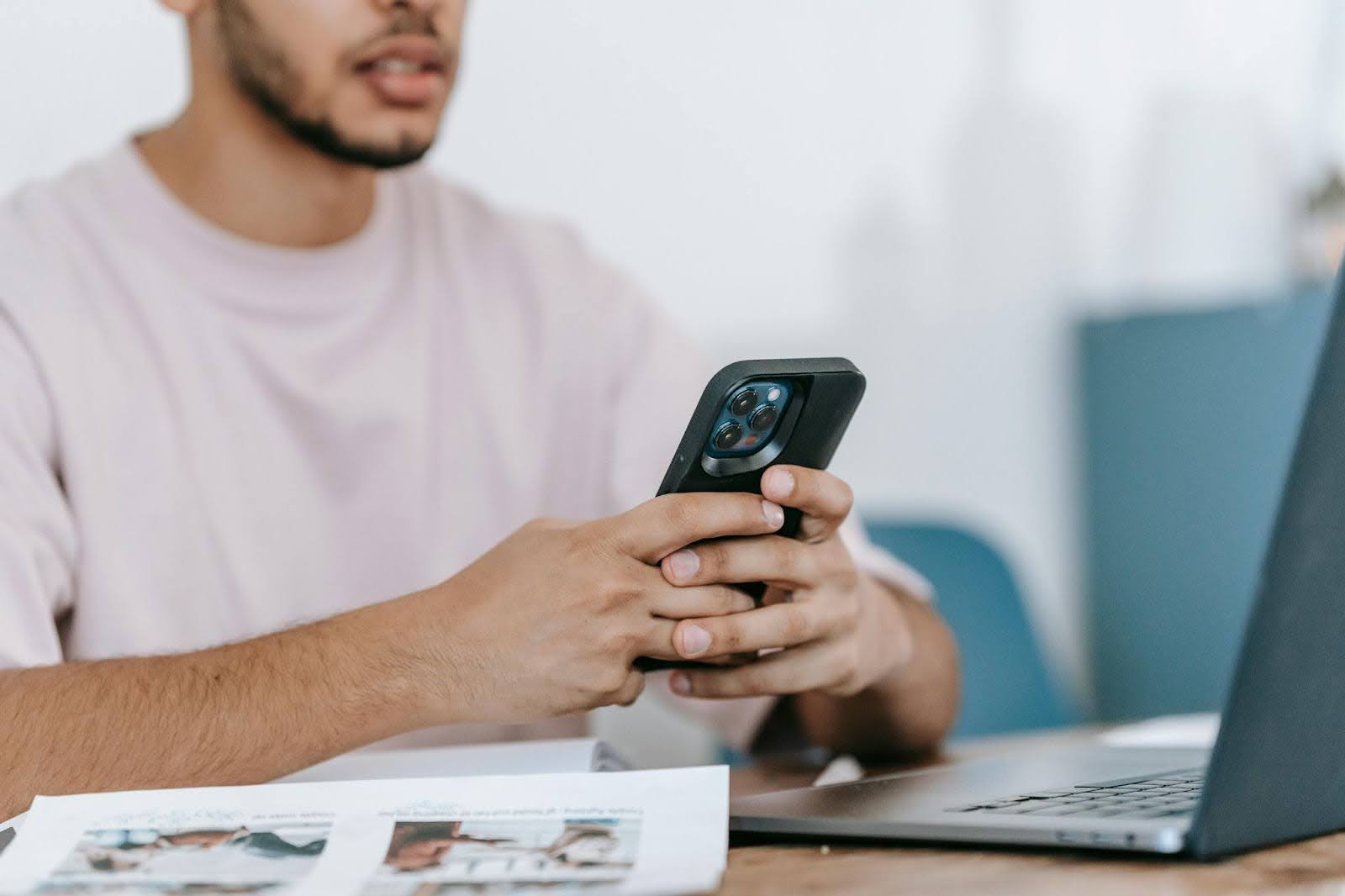
You have to download a sleek new budgeting app, connect your bank account, and start tracking every coffee and grocery run. Within days, your spending habits are neatly organised. But here is the question nobody asks until it is too late — where is all that financial data actually going?
Budget app security happens to be more than a tech issue. It is a personal one. Budget app security happens to be more than a tech issue. Knowing what happens to your information behind the scenes is a first step toward making smarter choices about which tools we entrust with our money. Choosing the safest budget app, one has to consider more than the features and look at the way the company manages privacy.
What Data Do Budgeting Apps Actually Collect?
The vast majority of budgeting apps require access to the financial accounts, transactional history, and patterns of spending to be effective. That much makes sense. But the data collection often goes further than what the app strictly needs.
Join The European Business Briefing
New subscribers this quarter are entered into a draw to win a Rolex Submariner. Join 40,000+ founders, investors and executives who read EBM every day.
SubscribeHere is what many apps gather beyond the basics:
- Personal identifiers — name, email address, and phone number
- Device information — phone type, IP address, and operating system
- Location data — GPS coordinates or Wi-Fi signals
- Contacts — sometimes requested for bill-splitting features
The question that needs to be raised is: Does the app really require all of this to aid in tracking your spending? The answer is usually no in most of the cases. Non-core functions such as data collection are usually associated with advertising or third-party relationships.
Do Budget Apps Share Your Data?
This is where budgeting app privacy gets uncomfortable. Research into popular Android budgeting apps found that a significant portion shares user data with outside parties. We cannot refer to technical metadata; we refer to real-life financial behaviour, spending and account details.
Ad-free applications are the most likely to send the most data. It is the basis of their business model. Applications based on subscriptions tend to share less, as they generate revenue at the user level. Banks are typically more tightly regulated, with the tools they offer that also like to keep the information in their own ecosystem.
To be on the safe side, one should check the privacy policy of any app before downloading it, particularly the paragraphs related to sharing third-party data. Long and confusing legal language is often a warning sign in itself.
How Does Encryption in Budgeting Apps Work?
One of the most significant security features to consider is encryption. It jumbles up your data such that, in case a person intercepts it, they would not be able to read it. This is also referred to as end-to-end encryption, and it is a common feature of good financial tools.
When evaluating encryption in budgeting apps, look for these signals:
- 256-bit AES encryption — the same standard used by major banks
- Two-factor authentication (2FA) — requires a second step to log in
- Read-only bank connections — the app can see transactions, but cannot move money
- Timeout on sessions- terminates after some time of no activity.
When an application does not state the encryption method it uses on your data very clearly, then you should take notice.
How Budgeting Apps Protect Your Information — and When They Fall Short
To safeguard its users, the most useful applications employ a mix of encryption, restricted access to data, and clear-cut privacy statements. Nevertheless, there is no guarantee of the validity of well-created apps. Human mistakes, a poor password, and unprotected Wi-Fi all provide an opening to the issue, which has nothing to do with the app itself.
Equifax security experts encourage people to use unique and strong passwords in all their financial accounts and use two-factor authentication where they can. They are mere routines, but they pay off.
These are some of the things that we can do on our part to remain safe:
- Use strong, unique passwords for every app
- Enable two-factor authentication
- Review and limit app permissions to only what is necessary
- Avoid using budgeting apps on public Wi-Fi
- Regularly check bank accounts for any suspicious activity
One detail many users overlook is app permissions. Research shows that budgeting apps request an average of 11 different permissions on Android devices. Some of these — like camera access for scanning receipts — are reasonable. Others, like microphone or contact access, deserve a second look before approving.
Finding a Safe Budgeting App That Fits Your Needs
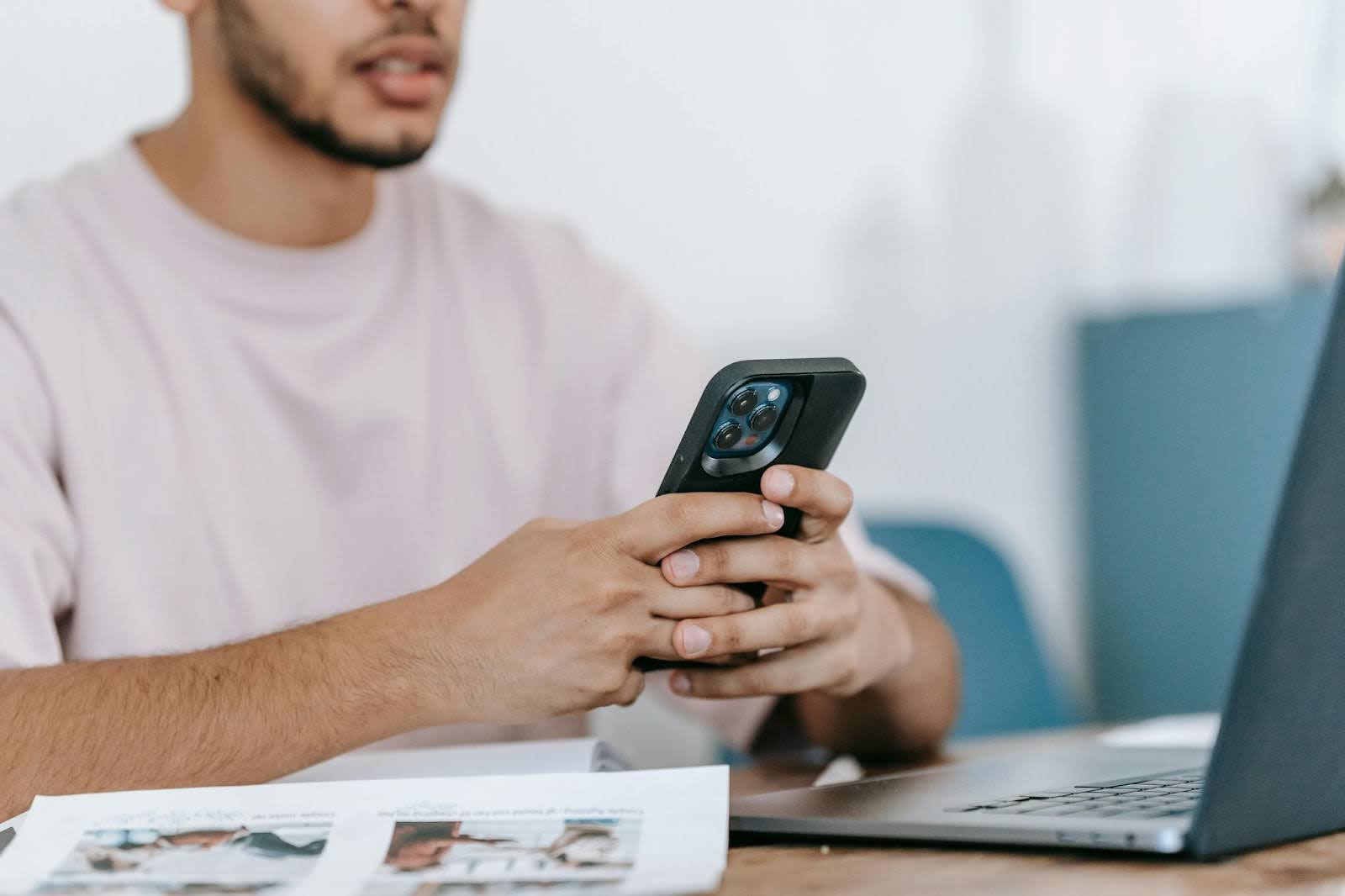
Budgeting apps do not process your data in the same manner.
Here is a quick checklist before committing to any app:
- Does it use bank-level encryption?
- Does it offer read-only bank access?
- Is the privacy policy understandable and clear?
- Does it give you the right to discontinue sharing of data?
- Is it audited by itself as far as security is concerned?
PocketGuard, for example, is widely recognised for combining practical budgeting tools with a strong emphasis on budget app security. It uses 256-bit encryption, offers read-only bank connections, and does not sell user data to third parties. For anyone serious about finding a safe budgeting app, it is a name worth researching.
What If You Would Rather Not Share Your Data at All?
Some people decide that no level of data sharing feels comfortable. That is a completely valid position, and there are good alternatives.
Locally stored spreadsheets — like those built in Excel or Google Sheets — offer solid budgeting capabilities with no third-party data sharing at all. The classic cash envelope system removes digital risk entirely.
Privacy and Convenience Can Coexist
The security of budgeting using apps does not need to force people to abandon digital budgeting. It is just a matter of knowing what to expect and posing the correct questions prior to handing out your financial information.
A secure budgeting application will be open with its technological data collection practices and will only share information when required, and provide users with actual control over their privacy parameters.
We believe that staying informed is the best protection of all. The more we understand about how these tools work, the better decisions we can make for our own financial security.






