































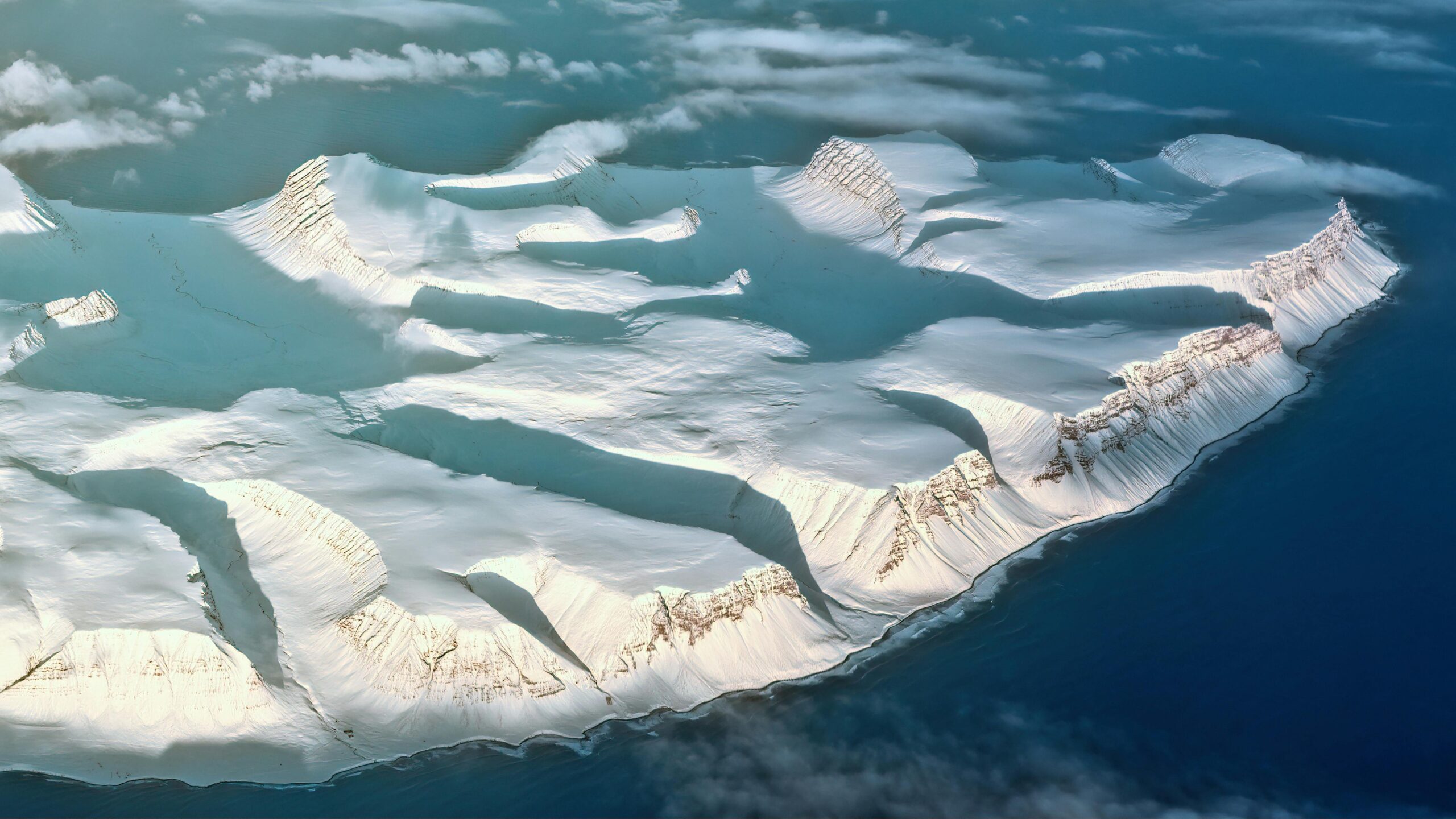
There is this specific kind of silence that only exists at the edge of the world. It’s not just the absence of noise, really. It’s more like a heavy, physical presence of space that sits right on your chest. When you stand on the deck of a ship in the high Arctic, the air hits you differently. It’s sharp. It’s clean. It carries the scent of ancient ice and salt. Honestly, it’s the kind of cold that makes you feel more awake than you’ve felt in years.
For a lot of us, the dream of reaching the far north is about seeing what’s left untouched. Svalbard, this archipelago halfway between Norway and the North Pole, is exactly that. It’s a place where nature doesn’t just exist—it totally dominates. Have you ever stood somewhere so big that your own heartbeat felt like the loudest thing in the valley?
I guess that’s the point of coming here. To feel small again. To remember we aren’t the center of everything.
Join The European Business Briefing
New subscribers this quarter are entered into a draw to win a Rolex Submariner. Join 40,000+ founders, investors and executives who read EBM every day.
SubscribeExploring this region by sea is the only way to actually get the scale of it. There aren’t roads connecting the tiny settlements up here. To move is to sail.
But what does it actually feel like? Just leaning against a freezing railing at 3:00 AM?
The First Sight of the High Arctic
Coming into the fjords of Spitsbergen for the first time… It’s a total sensory shock. The mountains rise straight out of the dark water. Their peaks are jagged and usually hidden in this thin, grey mist. These aren’t the soft hills you see elsewhere. These are the “Pointed Mountains.” And because the sun never sets in the summer, the light has this weird, almost ghostly quality. It stretches the shadows and turns the glaciers into these incredible shades of electric blue.
Living on a ship during this time creates a strange sense of time. You might be watching a bearded seal on an ice floe at two in the morning, and the sky is still bright and hazy. It’s disorienting. You forget to sleep because the world refuses to go dark. You just stay on deck, mesmerized.
This constant light makes you feel like you have to see everything right now. Every bay might have something. Maybe it’s a lonely trapper’s hut from a century ago. Maybe it’s a polar bear wandering along a gravel beach. So, you keep your binoculars around your neck, even during dinner. You don’t want to miss a second.
The Intimacy of Small Ship Exploration
The best part about exploring by sea is getting to the spots most people never see. Smaller vessels can get into narrow channels that the big ships wouldn’t even try. It’s a more intimate way to see the landscape. You get closer to the glacier faces and hear that “white thunder” when the ice crashes down.
An Arctic expedition cruise offers the perfect blend of comfort and adventure, allowing you to explore these hidden corners of the Arctic with ease. Onboard, you can enjoy world-class amenities, but it’s the daily excursions that really immerse you in the wild beauty of Svalbard. From the quiet thrill of zodiac rides into remote fjords to watching glaciers calve in slow-motion, every moment feels like a once-in-a-lifetime opportunity to witness the Arctic in its purest form.
This style of travel also creates a real community. You’re all sharing this crazy experience. Evenings are spent in the lounge, talking about what you saw with the naturalists. It turns a trip into a shared discovery. You learn about the geology and the birds, and it all starts to make sense.
Encountering the King of the Arctic
The polar bear is the big symbol of Svalbard, obviously. But seeing them in the wild is a bit different than the photos. It’s a stark, almost uncomfortable reminder of how fragile this place is. From the ship, you might spot a mother and cub navigating the rocks. They move so gracefully for being so massive. The guides are strict about distance and respect. This isn’t a zoo. This is their home. We’re just passing through.
Watching a bear in the wild changes how you think about conservation. It isn’t an abstract concept anymore. It’s not something you just read about while drinking your morning coffee. It becomes personal. You see the ice they need and the huge distances they have to walk just to survive.
The silence on the deck when a bear is spotted is heavy. Nobody speaks. All you hear is the clicking of cameras and the distant, thunderous groan of a glacier calving into the sea. How can something so powerful look so vulnerable? It’s a thought that sticks with you long after you’ve gone back inside to get warm.
The Stories Written in the Tundra
Svalbard isn’t just ice; it’s a land of ghosts. Because it’s so cold and dry, things don’t really decay here. Abandoned coal mines, old whaling stations, and the remains of polar expeditions are basically frozen in time. When you go ashore for a hike, you might walk past the bleached bones of whales or rusted, twisted machinery.
These sites tell stories of human ambition and, frankly, a lot of suffering. Men came here to hunt and mine. Many didn’t make it back. Walking through a graveyard in a place like Virgohamn… you feel the weight of that. It makes the warmth of the ship feel like a luxury. You realize how hard it is to survive in a place that’s fundamentally indifferent to you. The Arctic doesn’t care if you’re there or not. It just is.
The Life Beneath the Surface
While the bears get the attention, the rest of the wildlife is just as wild. Thousands of seabirds nest on the sheer cliffs. The noise is incredible—a literal wall of sound that makes your ears ring. In the water, you might see the sleek backs of beluga whales or walruses hauled out on a beach.
Walruses are honestly hilarious to watch. They’re so social, usually piled on top of each other in a giant, smelly heap. They look lazy on land, but in the water, they are incredibly fast. Seeing them reminds you that the Arctic is teeming with life, even if it looks empty at first glance.
A Journey That Stays With You
Leaving Svalbard is always bittersweet. As the ship heads back, you find yourself looking back at the mountains, feeling… well, different. You carry a new understanding of the north. You remember the cold wind stinging your face and the smell of the sea.
It’s a trip that changes you. You go home with a deeper appreciation for the wild. The stories of the Arctic aren’t just about the past; they’re about the future. By visiting, we become witnesses.
We become part of the untold story of the North. And maybe that’s exactly what we need right now.






