






























If you’re approaching 30 or already there, it’s common to ask: how much money should I have saved by 30? You’ll see plenty of numbers online, but most of the anxiety around this question comes from comparing yourself to averages that don’t reflect real life.
In 2026, the better way to think about savings at 30 isn’t a single dollar amount. It’s about benchmarks, habits, and momentum. This guide breaks down the most common rules of thumb, explains what actually counts as savings, and shows how to evaluate whether you’re on track based on your own circumstances rather than someone else’s highlight reel.
The Common Rule of Thumb for Savings by 30
The 1× Salary Benchmark Explained
One of the most widely cited guidelines is having one year’s salary saved by age 30. If you earn $70,000, that would mean roughly $70,000 saved across retirement accounts and investments.
Join The European Business Briefing
New subscribers this quarter are entered into a draw to win a Rolex Submariner. Join 40,000+ founders, investors and executives who read EBM every day.
SubscribeThis benchmark exists because it aligns with long-term compounding assumptions. Someone who saves consistently in their 20s and reaches this level by 30 is generally positioned to stay on track for retirement without extreme contributions later.
That said, it’s a guideline, not a requirement. It assumes a relatively early start, stable income, and no major financial setbacks, which is not reality for many people.
Why Benchmarks Vary So Widely
Two people the same age can have vastly different savings totals and still both be “doing fine.” Differences come down to:
- When they started earning full-time income
- Whether they had student loans or family obligations
- Cost of living in their city
- Income growth potential in their career
That’s why high-quality financial guidance focuses on trajectory, not just today’s balance.

What Counts as “Savings” at Age 30?
Before comparing yourself to any benchmark, it’s important to understand what should actually be included.
Retirement Accounts
This includes 401(k)s, IRAs, and Roth IRAs. Employer matches matter here. If your employer contributes 4% and you contribute 6%, that combined 10% is doing real work for your future even if your balance doesn’t look huge yet.
Emergency Fund and Cash Reserves
An emergency fund is not retirement money, but it’s still part of a healthy financial foundation. Having three to six months of expenses in cash reduces the chance that you’ll tap retirement savings when something unexpected happens.
Investments Outside Retirement
Brokerage accounts, index funds, and other long-term investments count too. They offer flexibility and can support goals before traditional retirement age.
Factors That Change How Much You Should Have Saved by 30
Student Loans and Debt
Debt context matters. Someone with $40,000 saved and $100,000 in student loans is in a very different position than someone with $20,000 saved and no debt.
Progress is measured by net improvement, not raw savings alone. Paying down high-interest debt can be just as impactful as investing in the early years.
Career Stage and Income Trajectory
Some careers ramp slowly and then accelerate. Others peak early. If your income potential is rising quickly, missing the 1× benchmark at 30 may not matter much if you can increase contributions meaningfully in your 30s.
Geography and Living Costs
Living in a high-cost area often means lower early savings but higher long-term earning potential. That tradeoff isn’t failure; it’s a strategic choice.

What If You’re Behind the Benchmark?
Being “behind” at 30 is far more common than people admit. The good news is that the decade from 30 to 40 is one of the most powerful periods for wealth building.
Increasing contributions even modestly, avoiding lifestyle inflation, and staying invested can dramatically change outcomes. The biggest mistake is doing nothing because you feel discouraged.
What If You’re Ahead of the Benchmark?
If you’re ahead, the goal is not to relax completely. It’s to:
- Avoid unnecessary lifestyle inflation
- Increase tax-efficient contributions
- Maintain a long-term perspective
Being ahead early gives you flexibility later, but only if you keep good habits.
Why Habits Matter More Than the Number at 30
At this stage, systems beat balances. Automatic contributions, diversified investments, and consistent saving matter more than hitting an exact figure on your 30th birthday.
Many people benefit from learning how to structure these habits early. Resources like Towerpoint Wealth focus on helping individuals build sustainable financial systems in their 20s and 30s rather than obsessing over a single milestone.
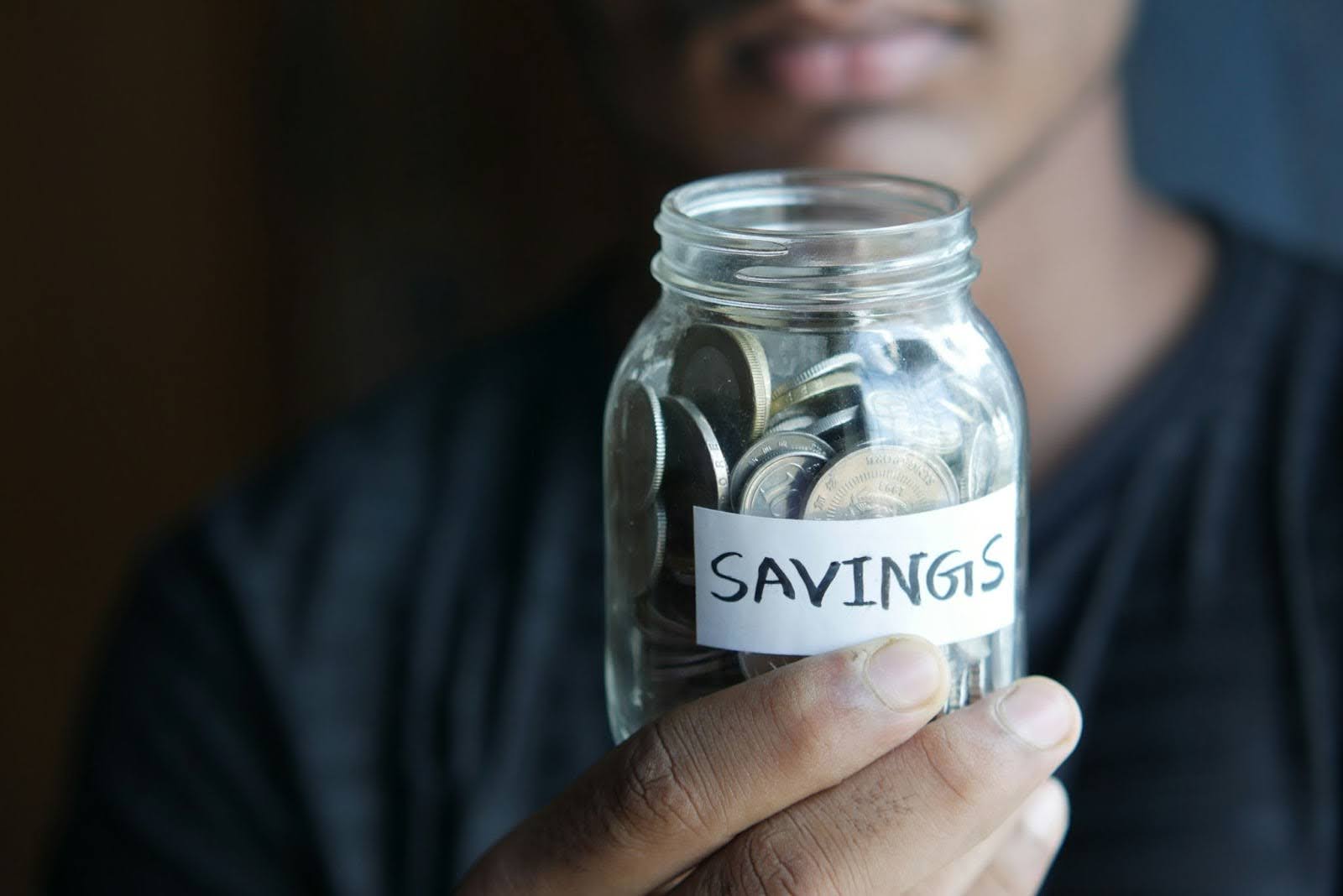
How Much You Might Have Saved by 30: Example Scenarios
The Average Saver
A moderate income earner contributing consistently since their mid-20s might have $40,000–$80,000 saved, depending on market conditions and employer matching.
High Earner With a Late Start
Someone who started saving seriously at 28 but earns well may only have $25,000–$40,000 saved at 30, yet still be on a strong path if contributions ramp up quickly.
Lower Income but Consistent Saver
A lower-income saver contributing steadily from age 22 may outperform higher earners who delayed saving, thanks to compounding and discipline.
The Long-Term Impact of Saving at 30
Money saved in your early 30s has decades to grow. Even small increases in contribution rates can lead to significantly larger balances later.
This is why focusing on direction and consistency matters far more than comparing your current total to someone else’s.

When to Get Professional Guidance
As income rises and finances become more complex, personalized guidance can help align savings, investments, and taxes with long-term goals.
Working with firms like Towerpoint Wealth can help individuals move beyond generic benchmarks and create plans that adapt to career growth, family changes, and shifting priorities over time.
A Simple Checklist for 30-Year-Olds
- Contribute regularly to retirement accounts
- Capture full employer match
- Maintain an emergency fund
- Increase savings with raises, not expenses
- Stay invested for long-term growth
- Review progress annually
Final Thoughts
So, how much money should I have saved by 30? A common benchmark is one year’s salary, but that number only matters in context.
What truly matters is whether you’ve built the habits, systems, and mindset to keep moving forward. Thirty is not a finish line. It’s a foundation. With consistent effort and smart planning, the years ahead can do far more for your financial future than the balance you have today.